

Our Correspondent
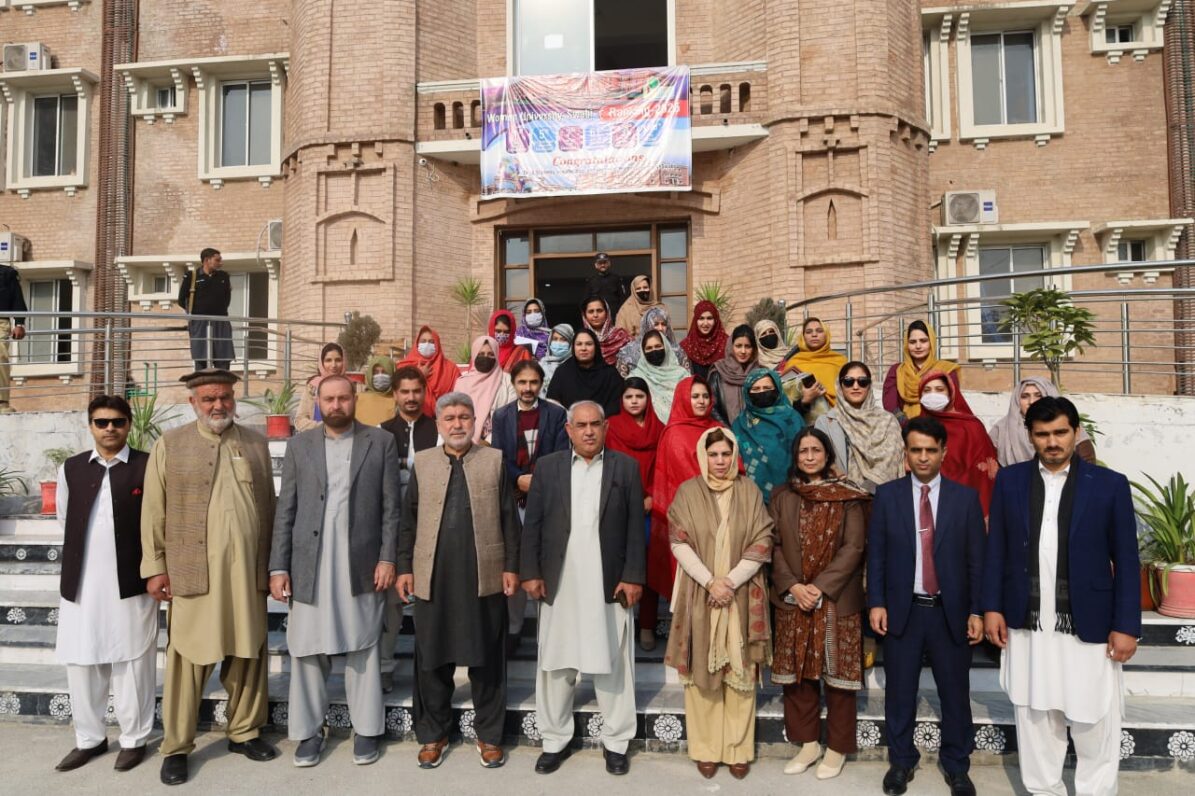
SWABI: The year 2025 proved to be a historic and transformative period for Women University Swabi (WUS), emerging not merely as an academic cycle but as a milestone of stability, sustainability, and institutional growth. Throughout the year, a strong spirit of collaboration among students, faculty, and administration strengthened the university’s foundations and expanded its academic and social impact.
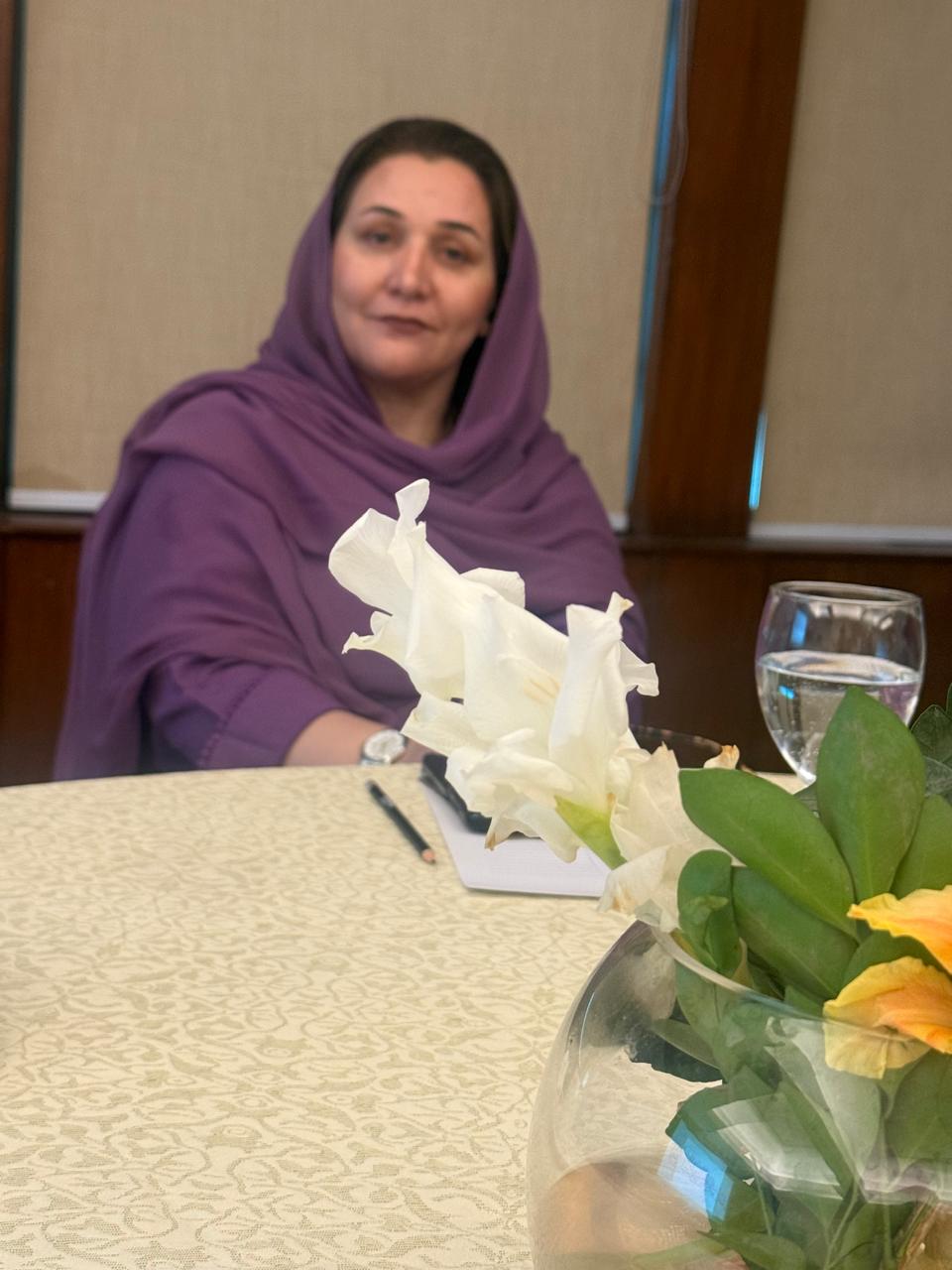
Under the visionary leadership of Vice Chancellor Professor Dr. Ghazala Yasmeen, Women University Swabi progressed with clarity of purpose, aligning its mission with women’s empowerment, quality education, research excellence, sustainability, and meaningful community engagement.
One of the most notable achievements of 2025 was WUS’s outstanding performance in the UI GreenMetric World University Rankings, a globally recognized benchmark for environmental sustainability. The university secured first position among women universities in Khyber Pakhtunkhwa, fifth among women universities in Pakistan, and seventh among all general universities in the province. Nationally and internationally, WUS ranked 61st in Pakistan, 668th in Asia, and 1123rd worldwide, reflecting consistent progress in renewable energy use, solarization, green spaces, digitalization, resource efficiency, and environmental awareness.


Institutional governance during the year remained transparent, accountable, and systematic. Regular meetings of statutory bodies including the Senate, Syndicate, Academic Council, and Finance & Planning Committee ensured consultative decision-making. Despite economic challenges, the university successfully approved a surplus budget for the fiscal year 2025–26, demonstrating sound financial management, prioritization of academic needs, infrastructure development, faculty support, and student services.
Academically, Women University Swabi made significant strides by revising curricula through Central Board of Studies meetings across seventeen departments, in line with HEC policies and international standards. The launch of new undergraduate programs in Human Nutrition and Dietetics, Interior Design, Textile and Fashion Design, and Statistics with specialization in Data Science reflected a future-oriented approach, equipping students with industry-relevant and interdisciplinary skills. Faculty development remained a priority through participation in NAHE Faculty Development Programs, HEC workshops, and leadership training initiatives.


Quality assurance mechanisms were strengthened through the proactive role of the Quality Enhancement Cell (QEC). Implementation of the RIPE Framework, alignment with PSG-2023 standards, and rigorous internal evaluations fostered a culture of continuous improvement. External academic reviews acknowledged WUS as a progressive and credible institution within Khyber Pakhtunkhwa’s higher education landscape.


Digital transformation reshaped administrative and academic processes with the introduction of ERP, Campus Management System, e-Office, and cashless financial systems, improving efficiency, transparency, and accountability. Simultaneously, campus security was enhanced through regular assessments and improved safety measures, ensuring a secure learning environment.
Research, innovation, and external collaboration expanded significantly. During 2025, Women University Swabi signed MoUs with multiple national institutions, including Women University Mardan, Innovative Advisory, National Human Development Centre (NHDC), Bacha Khan Medical Complex (MTI) Swabi, Al Jannat Hospital Swabi, Marwa Medical Complex Swabi, Sarhad Chamber of Commerce & Industry (WBIC), Aga Khan University Karachi, Codematics Services Pvt. Ltd., IT Park Abbottabad, Dynea Chemical Industry, and Kashmir Orphan Relief Trust (KORT). These partnerships opened new avenues for internships, applied research, professional training, and community development.
Student life remained vibrant with inter-university debates, CRBCVE and NACTA-supported competitions, job fairs, career development programs, sports events, and entrepreneurial initiatives. Students excelled in inter-university competitions, while recognition ceremonies and scholarship opportunities encouraged academic excellence and personal growth.


Women’s empowerment and community engagement stayed central to the university’s mission. In collaboration with UN Women and international experts, specialized training programs for women farmers promoted sustainable agriculture, leadership, and economic independence. The establishment of a preschool and daycare center addressed a long-standing need, supporting working mothers among students and staff. Community initiatives, including relief activities, child safety awareness, disability inclusion programs, and interfaith harmony workshops, extended the university’s positive impact beyond campus.
Cultural and intellectual life flourished through fashion, textile, and art exhibitions, international conferences, academic seminars, and cultural celebrations such as Turkish Day, promoting creativity, research collaboration, and global understanding. Faculty members also benefited from international exposure through exchange programs and fellowships.
The university actively promoted national consciousness and ethical values by observing Independence Day, Youm-e-Takbeer, Youm-e-Tashakkur, Kashmir Solidarity Day, and Allama Iqbal Day, alongside anti-corruption awareness campaigns, media literacy workshops, and seminars on ethical governance.
In conclusion, 2025 stands as a year of remarkable progress and visionary leadership for Women University Swabi. By integrating academic excellence, sustainability, digital innovation, and community service, the university has strengthened its role as a leading institution for women’s education. With a solid foundation and empowered students, Women University Swabi is well-positioned to continue its journey toward sustainable growth, social impact, and academic distinction at provincial, national, and international levels.

Leave a Reply