

Staff Reporter
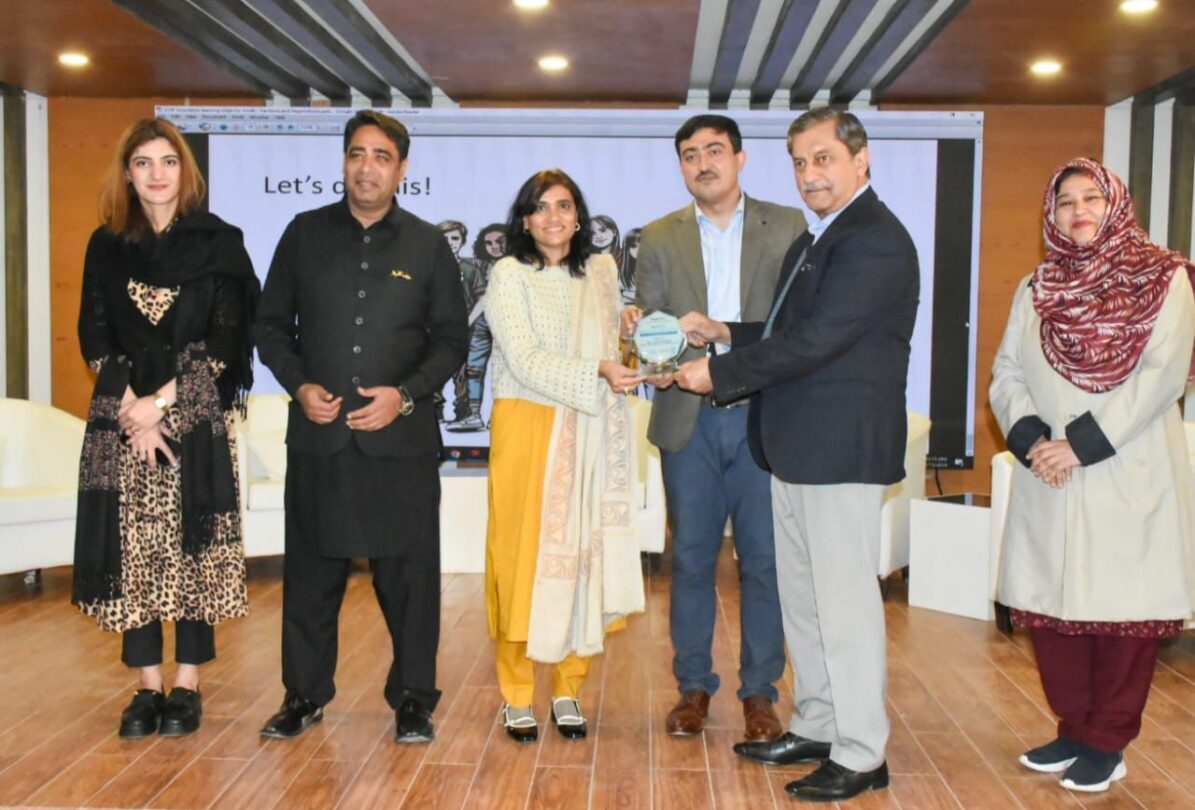
PESHAWAR: At a time when climate change is increasingly influencing Pakistan’s development priorities, the Pakistan Poverty Alleviation Fund (PPAF), in collaboration with the Yar Muhammad Samejo Educational Society and Development Organization (YMSESDO), organized a Youth-Led COP Simulation at CECOS University, Peshawar. The initiative aimed to equip young people with practical knowledge of global climate negotiations and strengthen their role in inclusive climate governance.
Muhammad Kamran Khan, Project Manager Provincial Land Use Plan at the Planning and Development Department, Government of Khyber Pakhtunkhwa, attended the event as chief guest, while Vice Chancellor CECOS University Dr. Mohsin Khan was also present.
The session opened with welcoming remarks by Nosheen Khan of YMSESDO, who highlighted that youth-led platforms such as COP simulations are essential for preparing the next generation of climate leaders and enabling meaningful youth participation in policy processes.
In her opening remarks, Prof. Dr. Nudrat, Dean Youth Affairs at CECOS University, emphasized the pivotal role of academic institutions in nurturing climate-conscious citizens. She stressed that universities must move beyond conventional teaching methods and actively promote climate literacy, leadership, and innovation to address emerging environmental challenges.
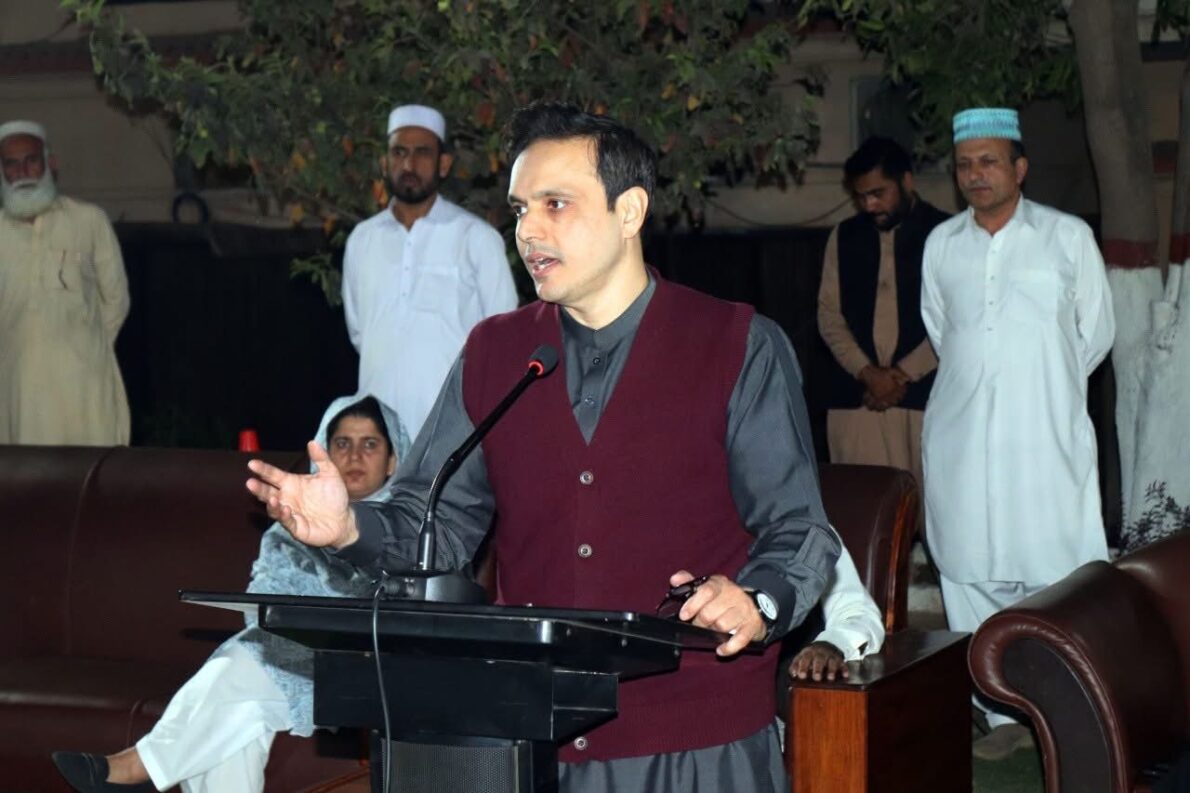
Addressing the participants, Muhammad Kamran Khan underscored that climate change is a cross-cutting development challenge requiring informed planning and inclusive policymaking. He emphasized the need to integrate youth perspectives into provincial land use and climate strategies, noting that youth-led COP simulations help bridge the gap between policy frameworks and ground realities while strengthening youth participation in climate-resilient development.
Speaking on the occasion, Uzma Nomani, Manager Climate Change and Resource Mobilization at PPAF, stated that today’s youth will inherit the consequences of climate decisions taken at global forums such as the Conference of the Parties (COP). She stressed that youth climate literacy is critical for Pakistan’s long-term resilience and poverty reduction, as young people will be future negotiators, researchers, decision-makers, and community leaders advocating for climate justice and increased investment for vulnerable communities. She added that PPAF’s mission is closely aligned with addressing climate change impacts through pro-poor, community-driven interventions across sectors including climate-resilient livelihoods, natural resource management, water, infrastructure, health, and education.
A panel discussion featuring youth representatives and climate experts highlighted key gaps in climate governance. Speakers noted that youth voices—particularly from rural areas—are rarely incorporated at the policy level, and there remains a disconnect between community-led climate initiatives and government policies. The panel emphasized that climate change is a global challenge requiring climate education to be mainstreamed alongside climate action.
Addressing the gathering, Dr. Qibla Ayaz, former Chairman of the Council of Islamic Ideology, stressed the importance of linking climate action with religious values. He noted that all religions emphasize respect for nature and environmental stewardship and urged religious leaders to address climate change and environmental responsibility in Friday sermons. He also highlighted the need to prepare the younger “Alpha generation” to effectively respond to future climate challenges.
Academia representatives echoed concerns over Pakistan’s education system, pointing out its misalignment with national and global climate priorities. They called for the integration of climate education from early schooling onwards to equip future generations with the knowledge and skills required to manage climate risks.
The Youth-Led COP Simulation provided participants with hands-on exposure to the dynamics of international climate negotiations, enabling them to better understand how global climate decisions translate into local impacts. The initiative reaffirmed the need to institutionalize youth participation in climate decision-making and demonstrated how informed and empowered youth can act as catalysts for meaningful climate action across Pakistan.





Leave a Reply