

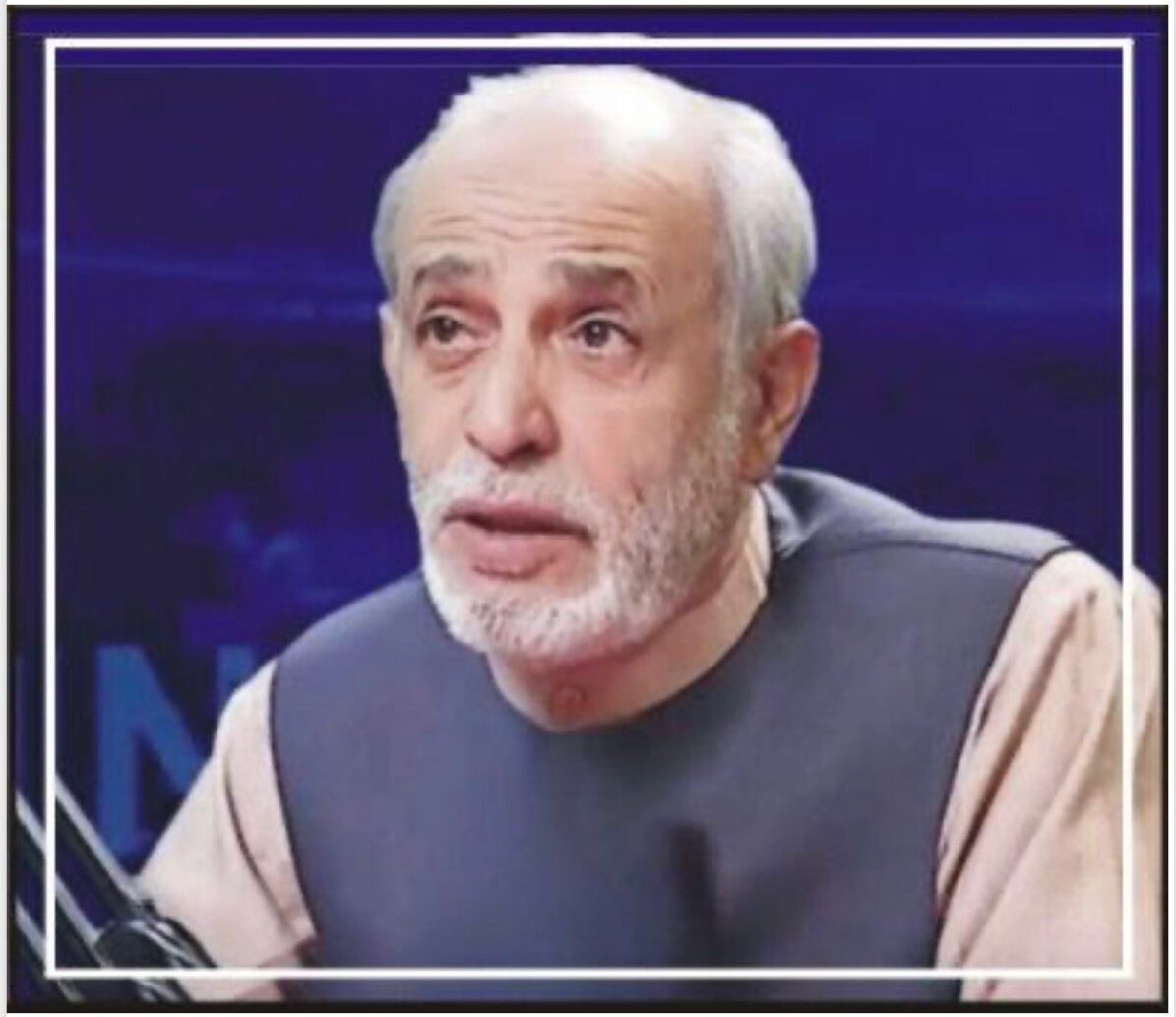
Shamim Shahid
The ongoing hostilities between Pskistan and Afghanistan has proved that whatever is their internal disputes exists but the Afghans are no more intends to fight against each others. No one can neglect the fact that almost Afghans are against of ruling Taliban but all of them are supporting the Regime in the war commenced by Pakistan against Afghanistan.
From last several years, Pakistan through one or the other ways has made its best of forcing the Taliban regime to toe its lines on all internal and external matters. But the Taliban, despite some its internal rifts, rejected the pressure and remained firm on its stance, inherited by Taliban Tehrik founder Mullah Muhammad Omar Akhund of protecting sovereign, autonomous and independent status of the country. The ruling Taliban regime’s recent achievement of inking a defence treaty with Russian Federation us causing unprecedented concern in Pakistan. Though the Afghans, scattered throughout the world are jubilating the agreement on military technology cooperation between Afghanistan and Russia but denounced in Pakistan through state controlled media and State loyal analysts. So far no any official comments has made regarding this treaty, declared a milestone in history of Afghanistan by its defense minister Mullah Muhammad Yaqoob Akhund.
However, some of the Politico-defence analysis believes that the real issue for Pakistan is not where Afghanistan is acquiring military technology from, but rather the extent to which Afghanistan is strengthening its defense capabilities, sovereignty, and state institutions in response to what many perceive as Pakistan’s interventionist and hegemonic policies. Political activists like Ms Asmat Shah Jrhan saying, “another aspect of the issue is that Pakistan’s state policy has historically been reluctant to fully accept Afghanistan as a completely sovereign state, despite the fact that every sovereign nation has the right to make its own decisions regarding defense, diplomacy, and foreign policy based on its national interests and priorities.” No one can neglect the fact that the procurement of defense technology and military equipment is a normal practice in international relations. Since a long almost every country acquires military technology from different sources according to its needs, budget, availability, diplomatic relations, and strategic interests. Such purchases do not necessarily imply obedience, loyalty, or the transfer of a country’s defense responsibilities to another state.
In some of rare cases, the countries, especially neighbours are showing reservations over such type of defence or military cooperation treaties. In particular, the two major or super powers I.e. United States and the Russian Federation are always monitoring such type of military treaties in a bid of safeguarding its strategic politico economic interests throughout the world.
Some of media outlets and stare organs loyal analysts believes that the Taliban government is an authoritarian, therefore having no right to obtain weapons or defense technology. But this position is not based on a consistently applied principle. In the international system, defense agreements and military acquisitions are generally conducted between states, not only with governments that all parties consider democratic or ideal. In recent decades, US lead allies, the Russian Federation, Peoples Republi of China and others made defence and other politico economic treaties with a number of military dictators and authoritarian rulers including Pskistan’s Gen Ayub, Gen Zia and Gen Musharaf like dictators.
No one can neglect worst kind of human rights abuse in Afghanistan but the question arises why the global forums, especially the neighbours are mum over such abuse. Even instead noticing the HR abuse, the neighbours like Pakistan and Islamic Republic Iran are facilitating the authoritarian Taliban in such abuse. If a state’s political system or human rights record were to be used as the standard for determining whether it may acquire weapons, then the same standard would have to be applied to many other countries, including Pakistan. Political analysis believes that Pakistan’s history includes extended periods of military rule, interference in democratic processes, the Bangladesh war and allegations of mass killings, military interventions in Afghanistan, and controversial military operations within its own borders that have been associated with allegations of human rights violations, forced displacement, and civilian casualties. But these issues are rarely cited as reasons to deny Pakistan the right to purchase defense technology or military equipment. Despite such type of allegations and complaints, almost members of international community are always inking economic trade and defence agreements with Pakistan. Similarly, despite lacking international level recognitions, the Taliban regime is making its best for improving deals and heals with a number of countries including People’s Republic of China, considered most trust worthy friend or ally of Pakistan.
The fundamental question is not whether one approves or disapproves of a particular government. Rather, it is whether a sovereign state has the right to make decisions regarding its security, defense, and foreign relations. If this right is recognized for Pakistan and other states around the world, then the same principle should also apply to Afghanistan.






Leave a Reply