


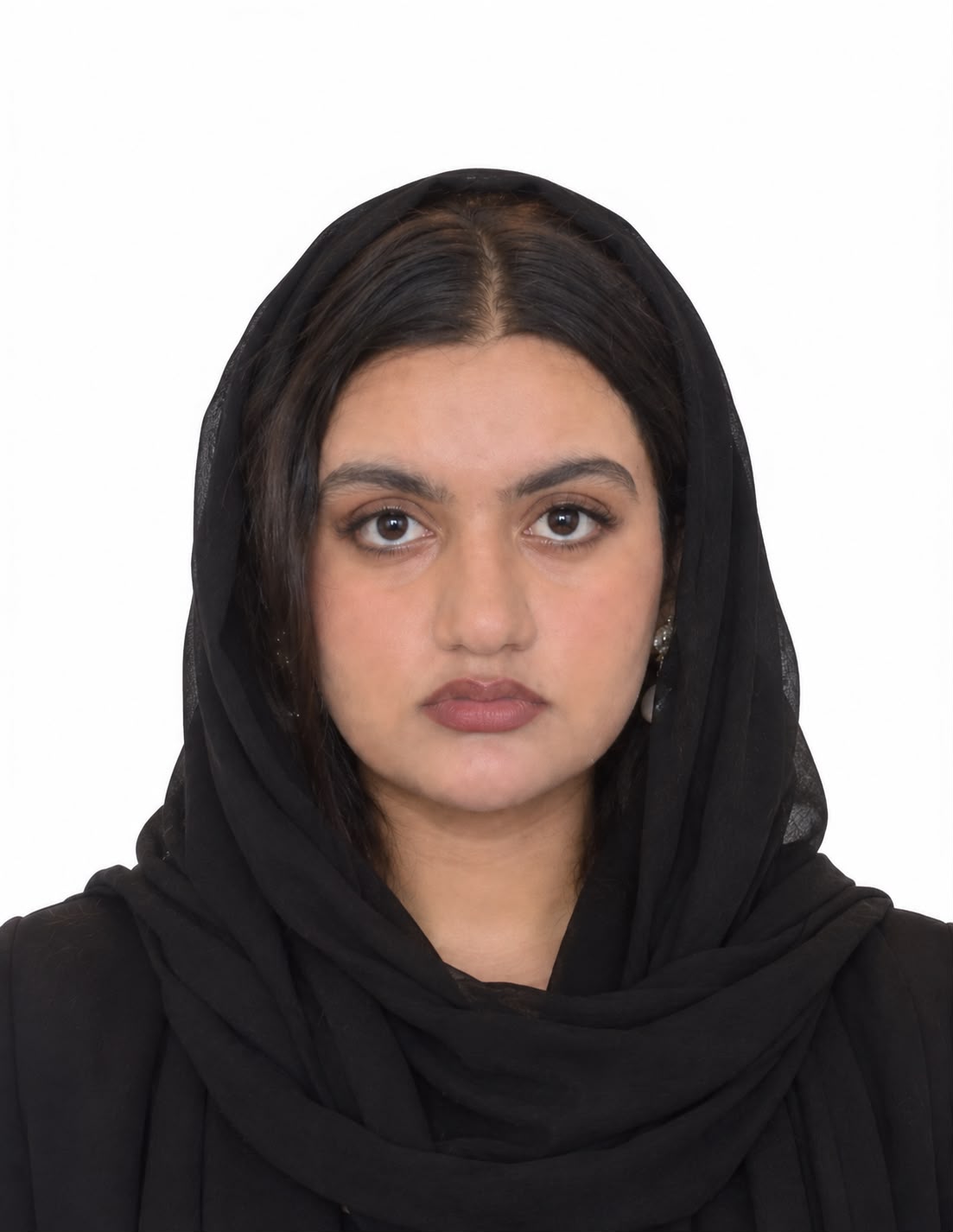
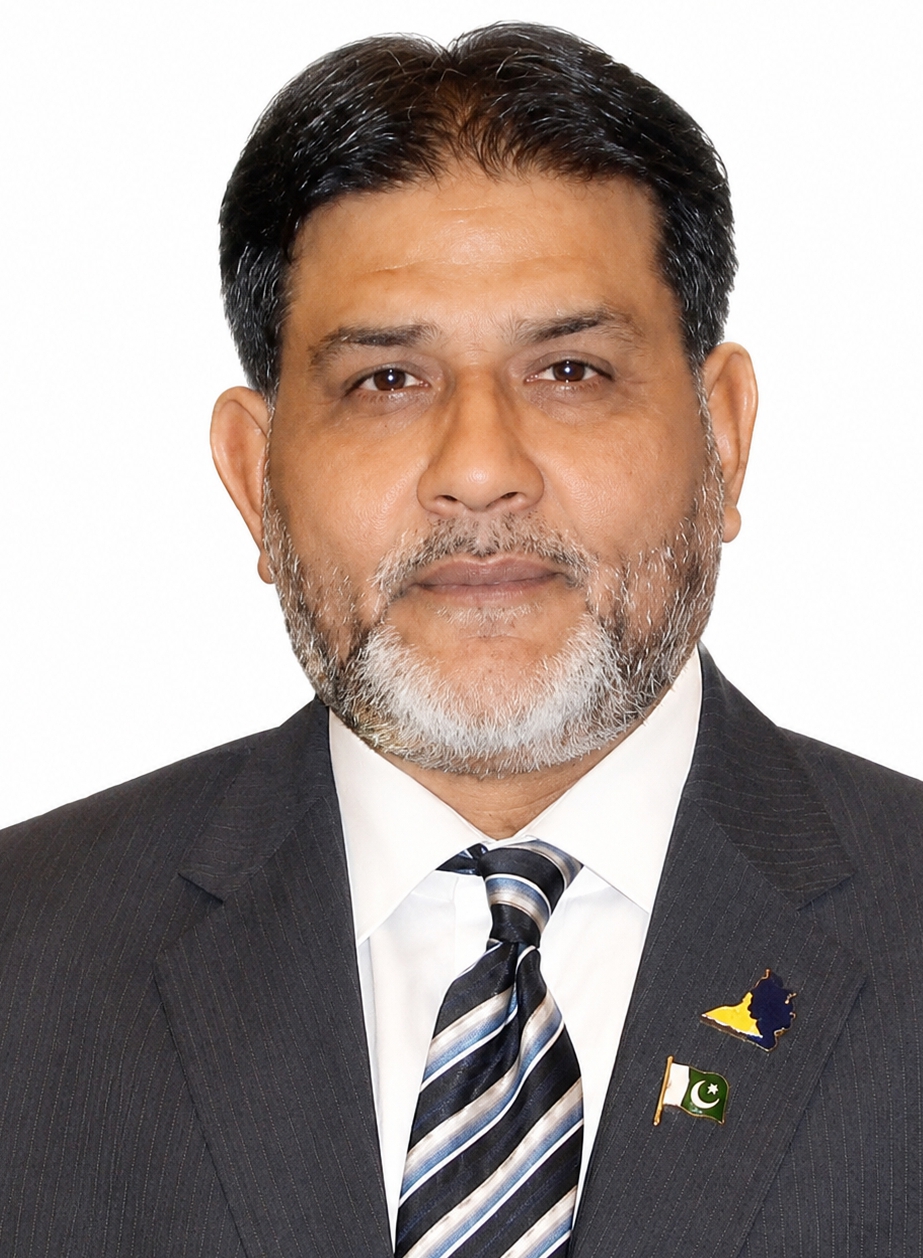
By Aiman Jalil, Member Provincial Assembly Khyber Pakhtunkhwa (JUI-F), and Qamar Naseem, Human Rights Activist
More than a decade has passed since Khyber Pakhtunkhwa enacted the Senior Citizens Act, 2014, a landmark piece of legislation intended to promote the well-being, dignity, and welfare of older persons. The law envisioned dedicated institutions, welfare mechanisms, healthcare facilities, and social protection measures to support senior citizens across the province. Yet as the world marks World Elder Abuse Awareness Day on 15 June, it is worth asking a difficult but necessary question: how much of that promise has been translated into reality?
The answer is concerning. While the legislation exists, many of its key provisions remain only partially implemented. The Khyber Pakhtunkhwa Senior Citizens Welfare Council, established as the principal institution responsible for advancing the rights and welfare of older persons, completed its tenure in 2024 and has yet to be reconstituted. The regulations contemplated under Section 13 of the Act have not been framed. The welfare structures envisaged under the law remain largely dormant, and many older persons continue to face barriers in accessing the support and services that the legislation was meant to guarantee. The challenge before us today is therefore not the absence of a legal framework but the failure to fully operationalize it.
World Elder Abuse Awareness Day reminds us that elder abuse extends far beyond physical violence. It includes neglect, abandonment, emotional mistreatment, social isolation, financial exploitation, denial of healthcare, and exclusion from family and community decision-making. These forms of abuse often remain hidden because they occur within homes and communities where older persons may be reluctant to complain, particularly when family members are involved. In many cases, the abuse is not deliberate cruelty but indifference, neglect, or a failure to recognize the rights and needs of older persons. Yet the consequences can be equally damaging.
The issue is particularly relevant in Pakistan, where demographic trends are changing rapidly. Advances in healthcare and living standards have increased life expectancy, resulting in a growing population of older persons. However, public services, healthcare systems, social protection programmes, and development planning have not kept pace with this reality. Many senior citizens face loneliness, chronic illness, inadequate income, and limited access to age-friendly services. While older persons continue to contribute to families and communities through their knowledge, experience, and wisdom, they are too often treated as passive dependents rather than valued members of society.
The neglect of older persons is especially troubling because it stands in direct contrast to the teachings of Islam. Respect for elders occupies a central place in Islamic ethics and social values. The Holy Quran specifically addresses the treatment of parents in old age, commanding believers: “And your Lord has decreed that you worship none but Him, and that you be kind to parents. If one or both of them attain old age in your life, say not to them even ‘uff’, nor repel them, but address them in terms of honour” (Surah Al-Isra 17:23). The Quran further instructs believers to lower to their parents “the wing of humility through mercy” and pray for them as they cared for us during childhood.
The Prophet Muhammad (PBUH) reinforced these teachings through both word and example. He stated: “He is not one of us who does not show mercy to our young and respect to our elders.” In another narration, honoring elderly persons is described as a means of glorifying Allah. These teachings establish a powerful moral framework that recognizes the dignity, worth, and rights of older persons. Caring for elders is not simply a matter of charity or goodwill; it is a religious obligation and a reflection of the values upon which a compassionate society is built.
Beyond religious obligations, the rights of older persons are also grounded in the Constitution of Pakistan. Article 9 guarantees the right to life, a concept that courts have repeatedly interpreted to include access to conditions necessary for a dignified existence. Article 14 recognizes the inviolability of human dignity, while Article 25 guarantees equality before the law. These constitutional principles apply equally to older persons. Age should never become a basis for exclusion, discrimination, or neglect.
The Khyber Pakhtunkhwa Senior Citizens Act, 2014 sought to give practical expression to these values and principles. The Act established the Khyber Pakhtunkhwa Senior Citizens Welfare Council and assigned it a broad mandate, including policy development, research on ageing, awareness-raising, resource mobilization, coordination of welfare programmes, and promotion of healthcare services for senior citizens. The legislation also envisaged welfare measures, social support initiatives, and healthcare facilities designed to improve the quality of life of older persons.
However, the expiry of the Council’s tenure in 2024 and the failure to notify a new Council have created a significant governance gap. The Council was intended to serve as the institutional champion for senior citizens within the province. Without an active Council, there is no dedicated body driving policy discussions on ageing, monitoring implementation of the Act, or advocating for the concerns of older persons. Nearly two years after the expiry of its tenure, the absence of a reconstituted Council raises important questions about institutional commitment to senior citizens’ welfare.
Similarly, while rules under the Act have been notified, the regulations required under Section 13 remain unframed. This may appear to be a technical issue, but its practical implications are significant. Regulations provide the detailed operational framework necessary to translate legislative provisions into functioning programmes and services. Their absence limits implementation, weakens accountability, and leaves important aspects of the law without practical effect.
Healthcare is another area requiring urgent attention. The Act envisages separate counters for senior citizens in hospitals, concessions in medical and medicine charges, and separate medical wards. More than ten years after the passage of the law, it is important to assess the extent to which these provisions have actually been implemented across the province. How many public hospitals currently provide dedicated counters for older persons? How many have established age-friendly services or specialized geriatric care? These are questions that deserve public attention because access to healthcare remains one of the most pressing concerns for senior citizens.
The situation of older women deserves particular consideration. Ageing is not experienced equally by all members of society. An elderly widow living alone in a rural village faces very different challenges from a retired government employee receiving a pension. Many older women enter old age after decades of unpaid caregiving and domestic work, often without independent sources of income or social security. Widowhood, inheritance disputes, property-related conflicts, social isolation, and dependence on relatives can increase vulnerability and reduce access to essential services. Yet older women remain largely invisible in public policy discussions. Any serious effort to protect senior citizens must incorporate a gender-sensitive approach that recognizes the unique challenges faced by elderly women.
The implementation challenges surrounding the Act also present an opportunity for reform. One practical amendment relates to the issue of Senior Citizen Cards. Rather than creating a separate identification mechanism, the Government should consider recognizing the Computerized National Identity Card (CNIC) as proof of senior citizen status. Since age is already verified through NADRA records, requiring an additional card creates unnecessary administrative burdens and barriers. Recognizing CNICs would simplify implementation, reduce costs, and ensure immediate access to age-related benefits and services.
Additional legislative reforms should also be considered. The Act should be amended to include explicit provisions addressing elder abuse, neglect, abandonment, financial exploitation, and property-related violations. A dedicated complaint and protection mechanism for older persons should be established. The law should require the reconstitution of the Council within a specified period after the expiry of its tenure and mandate annual reporting to the Provincial Assembly on implementation progress. Greater representation of senior citizens, particularly older women, should also be ensured in policymaking bodies and consultative mechanisms.
As Khyber Pakhtunkhwa reflects on World Elder Abuse Awareness Day, the focus must move beyond symbolism. Older persons are not merely beneficiaries of welfare programmes. They are parents, grandparents, teachers, workers, farmers, professionals, community leaders, and custodians of collective memory. Their contributions have shaped our families, communities, and institutions. They deserve more than expressions of respect. They deserve protection, participation, healthcare, security, and dignity.
The real question before us is no longer whether we value our elders. The question is whether we are prepared to transform that respect into enforceable rights, functioning institutions, and meaningful services. A society that neglects its older persons neglects its own future, because ageing is a journey that every one of us hopes to undertake with dignity. The Khyber Pakhtunkhwa Senior Citizens Act, 2014 provides an important foundation. The task now is to ensure that its promise is fulfilled and that every senior citizen in the province can live with the dignity, security, and respect they have earned throughout a lifetime of contribution and service.






Leave a Reply