

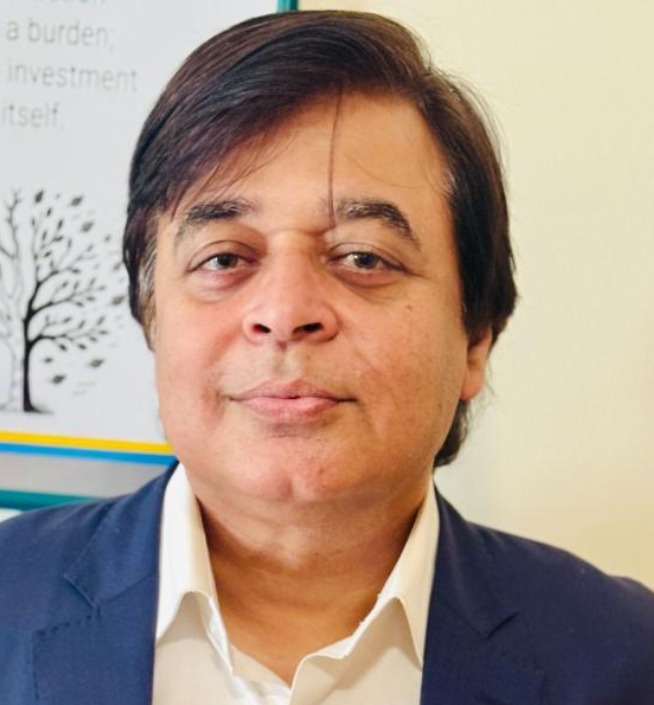
By Shafqat Aziz Mallick
When the federal Finance Minister officially announced the removal of the tax on Menstrual Health and Hygiene (MHH) products during his budget speech on June 12, 2026, the corridors of power in Islamabad echoed with applause. It was a monumental victory for women’s health, economic dignity, and educational retention across Pakistan. However, the genesis of this victory lies elsewhere.
This triumph was not engineered in the capital. It was born in the arid plains, the resilient communities, and the politically charged assembly halls of Balochistan. As the architect of this advocacy campaign, I watched firsthand as a province—so often relegated to the periphery of national development narratives—rose up to become the undisputed vanguard of a national policy revolution.
The journey began far from the legislative benches, rooted instead in the harsh realities of the province. For years, the intersection of climate stress and economic inflation had turned essential sanitary products into luxury items. The fallout was devastating but silent: severe urogenital infections and a hemorrhaging of girls dropping out of schools.
As depicted in my recently published cli-fi novelette, Before the Valley Drowns, we recognized an urgent need to shift the narrative—transforming a “taboo women’s issue” into a critical metric of public health and educational survival. The foundation of this argument was brilliantly constructed through pivotal consultations with Dr. Tahira Kamal Baloch, Chairperson of the MHMWG Secretariat Balochistan, and Provincial Manager Shahana Tabbasum. Co-Chairperson Zulaikha Karim Buledi was also an invaluable addition to this core team. Their strategic and clinical foresight mapped the exact human cost of this systemic failure. They were soon backed by the undeniable data and frontline expertise of health sector leaders like Dr. Farooq Azam and Dr. Rakhshanda Mushtaq. Concurrently, education experts such as Irfan Awan highlighted the fatal link between poor MHH access and school dropout rates.
But data without political will is just a tragedy on paper. We needed champions. Taking this deeply sensitive agenda into the Balochistan Provincial Assembly was a calculated risk that required political courage of the highest order. That courage arrived in the form of Education Minister Raheela Hameed Durrani, who took up the mantle with an unrelenting, progressive force, becoming our battering ram on the treasury benches. Yet, what truly elevated this campaign from a partisan project to a unified provincial demand was the brilliant statesmanship of the dynamic Member of Provincial Assembly (MPA), Rehmat Saleh Baloch. By thoroughly owning the agenda across the aisle, he demonstrated a rare and powerful bipartisan synergy.
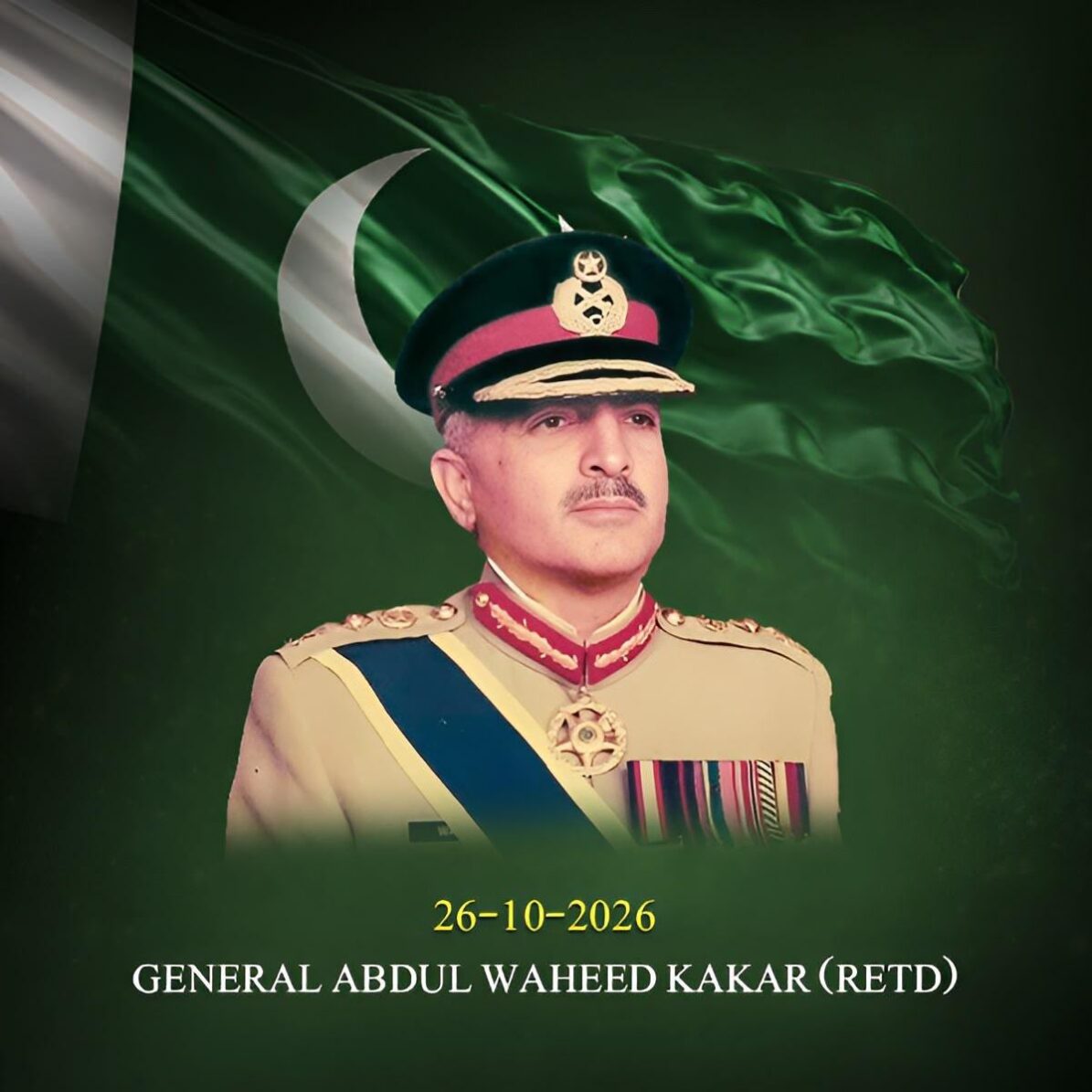
This momentum was expertly channeled through the legislative machinery by the highly energetic Secretary of the Balochistan Assembly, Tahir Shah Kakar. Under his facilitation, the floor of the assembly transformed into a beacon of progressive policymaking. The cause was fiercely championed by a united front of parliamentarians, including Deputy Speaker Ghazala Gola, and MPAs Kulsoom Niaz Baloch, Meena Majeed, Shahida Rauf, Safia Rehman, and Khair Jan Baloch. The intellectual and political gravity of the movement was further cemented by Dr. Abdul Malik Baloch, whose dual role as a thought leader and head of the National Party elevated the discourse beyond mere politics into a matter of fundamental human dignity.
Behind the scenes, bureaucratic translators were vital. Former Secretary Population Abdullah Khan understood the cascading demographic impacts of the MHH crisis, while FBR official Rehmatullah Durrani provided the critical insights needed to decode, and eventually dismantle, the federal tax labyrinth.
As the campaign accelerated, UNICEF emerged as an indispensable powerhouse. The strategic vision of UNICEF WASH Manager Itsuro Takahashi, combined with the relentless provincial-level execution by Masood Aslam and the flawless coordination of Falak Naz, provided the operational backbone our advocacy needed. However, you cannot wage a policy war of this magnitude without a robust logistical and strategic ecosystem. Long before the MHH tax reforms campaign, GIZ had been instrumental in laying the early foundations for MHH awareness in the province.
Balochistan possesses a wealth of development sector intellect. Veteran leaders like Dr. Saeedullah provided crucial historical context, while I drew immense inspiration from interacting with visionary UN leaders like Dr. Faaria Ahsan (WFP) and Ayesha Wadood (UN Women). Their presence underscores a vital truth: with this tax barrier broken, these international partners are now perfectly positioned to lead post-reform implementation across the province.
With a united provincial assembly and a mobilized development sector behind us, we finally took the battle to the capital. But Islamabad is an echo chamber; to pierce it, we needed Balochistan’s federal representatives to roar. MNAs like Akhtar Bibi and Phulain Baloch became the vital conduits for this cause in the National Assembly. Armed with the provincial mandate, I engaged the honorable members of the Senate and National Assembly Standing Committees on Finance. We did not appeal to their emotions; we presented an ironclad, cross-sectoral case proving that taxing women’s biology was an economic and educational disaster.
Yet, even the sharpest policy pitch requires a megaphone. The media strategy was the final, devastating blow to the federal tax. Journalists possessing amazing clarity and a supportive approach—stalwarts like Shahzada Zulfiqar, Salim Shahid, Abdul Khaliq Rind, Irfan Saeed, and Akbar Notezai—amplified Balochistan’s demands. They ensured that the plight of the rural girl and the demands of the provincial assembly were broadcast into the living rooms of the federal decision-makers, making the issue impossible to ignore.
The removal of the federal MHH tax is a historic milestone, but the true legacy of this campaign belongs to Quetta. This victory proved that when Balochistan’s political, medical, and development leadership aligns, they do not just solve local problems—they dictate the national agenda. The individuals who drove this campaign did not just rewrite a tax code; they reshaped the future for millions of girls across the country. This diverse coalition of leaders represents the undeniable hope of Balochistan. Together, they have put the rest of the nation on notice: the blueprint for Pakistan’s progressive survival is being drafted in the south.
The writer is a Senior Development Policy Advisor currently linked with Freedom Gate Prosperity (FGP.org.pk) as Strategic Policy Advisor, and the author of Pakistan’s first cli-fi novelette, ‘Before the Valley Drowns’.




Leave a Reply