

By Junaid Qaiser
The appointment of Natalie A. Baker as permanent Chargé d’Affaires at the United States Embassy in Islamabad is a welcome development for Pakistan–US relations. At a time when both countries are exploring new opportunities in trade, investment, critical minerals and technology, her appointment offers continuity and an opportunity to translate diplomatic engagement into tangible economic gains.
Since she took on the role of Chargé d’Affaires in January 2025, Baker has built a solid understanding of Pakistan’s needs and economic potential. Her past experiences, including her time as Deputy Chief of Mission in Islamabad and Doha, provide her with the expertise necessary to nurture a relationship that requires ongoing attention and a clearer economic strategy.
The priority now is to build on existing goodwill and deliver results that benefit both countries.
Pakistan and the United States have made substantial progress on a proposed bilateral reciprocal trade agreement, although several technical issues remain for discussion with the Office of the US Trade Representative.
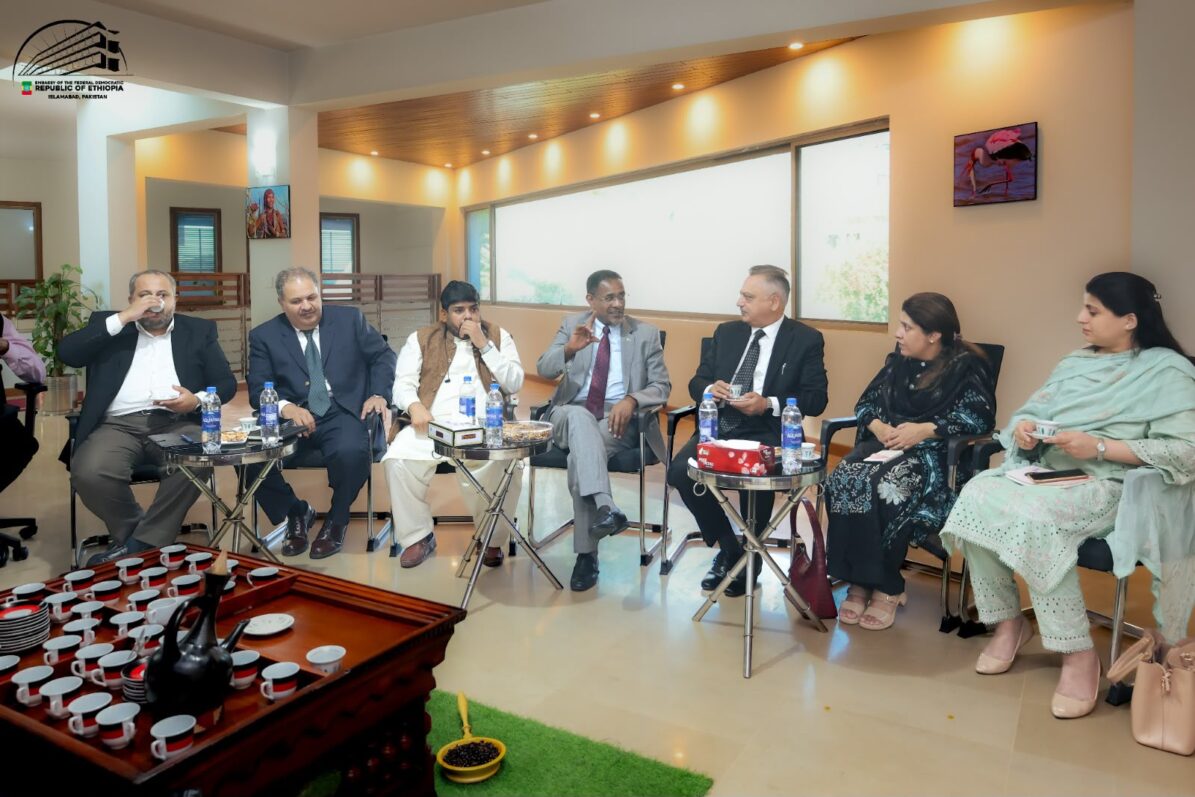
During a recent meeting with Baker, Federal Minister for Commerce Jam Kamal Khan reviewed the negotiations alongside opportunities to expand market access and cooperation in agriculture, minerals, technology and investment. Commerce Secretary Jawad Paul briefed the meeting on progress and the outstanding issues.
A successful agreement could help Pakistan diversify its export markets, attract investment and strengthen its position in international supply chains. For American businesses, closer commercial engagement would open opportunities in a market with considerable potential in agriculture, digital services, industrial technology and natural resources.
During the recent discussions, Pakistani officials called for progress on market access for mangoes and dates, including the timely completion of relevant US inspection procedures for mango exports. The American delegation indicated its willingness to follow up with the appropriate authorities.
Better access to the US market could benefit Pakistani exporters and farmers, particularly date producers in Balochistan. It could also create opportunities for businesses involved in packaging, storage, transport and food processing.
Pakistan should complement these efforts with investment in cold-chain infrastructure, modern processing facilities and internationally recognised quality standards. Moving beyond the export of raw produce would help businesses capture greater value and compete more effectively in demanding markets.
The discussions also covered American cotton and soybean exports to Pakistan. Such reciprocal trade could benefit both countries, provided that pricing, financing and supply arrangements remain commercially competitive.
FoodAg 2026, scheduled for November 23–26 in Karachi, offers a further opportunity to connect Pakistani producers with international buyers and investors. Greater American participation could encourage partnerships in agricultural machinery, food technology and modern farming practices. Critical minerals present another promising area of cooperation. Rising global demand for minerals used in advanced manufacturing, electronics and energy technologies has created opportunities for countries able to develop reliable supply chains.
The September 2025 memorandum of understanding involving US Strategic Metals and Pakistan’s Frontier Works Organization, associated with a proposed $500 million investment in rare earth elements and critical minerals, illustrates the potential of this sector.
For Pakistan, the objective should be to attract investment that goes beyond extraction. Mineral processing, technical training, infrastructure and technology transfer would help create skilled employment and strengthen domestic industrial capacity.
American companies could contribute capital and expertise, while Pakistan could offer investment opportunities linked to its mineral resources. Realising this potential will require transparent regulations, predictable policies and responsible resource development that benefits local communities.
Technology cooperation is equally important. Pakistan’s expanding technology sector, skilled young population and growing interest in artificial intelligence provide opportunities for partnerships in digital services, research and innovation.
Baker has engaged with business leaders and officials in Karachi, Lahore and other cities on technology cooperation and investment. Sustained engagement could connect Pakistani entrepreneurs with American companies and educational institutions, opening pathways for joint research, professional training and access to international markets.
These partnerships will be most effective if Pakistan continues to improve digital infrastructure, develop technical skills and provide a stable environment for businesses.
Economic partnerships are strengthened by relationships between people, institutions and communities. Baker’s engagement in education, health, culture and sport has contributed to the broader relationship beyond formal diplomatic discussions.
Her support for educational initiatives linked to the United States Educational Foundation and health awareness activities, including breast cancer awareness, reflects the value of cooperation that directly affects people’s lives. Her recognition of Pakistan’s first international women’s W15 tennis tournament also highlighted the role of sport in building connections between societies.
Natalie A. Baker’s permanent appointment provides continuity at a time when Pakistan and the United States have an opportunity to broaden their economic relationship. Her experience and familiarity with Pakistan can help sustain negotiations and encourage cooperation across several promising sectors.
The immediate priorities are clear: advance the proposed trade agreement, improve market access for Pakistani agricultural products, attract responsible investment in critical minerals and deepen technology partnerships. Progress in these areas would demonstrate that bilateral engagement can deliver benefits beyond official meetings and diplomatic statements.
Pakistan must match this opportunity with consistent economic policies, while the United States should continue engaging with Pakistani businesses and institutions to identify commercially viable projects.
Natalie A. Baker: From Diplomatic Continuity to Economic Opportunity



Leave a Reply