

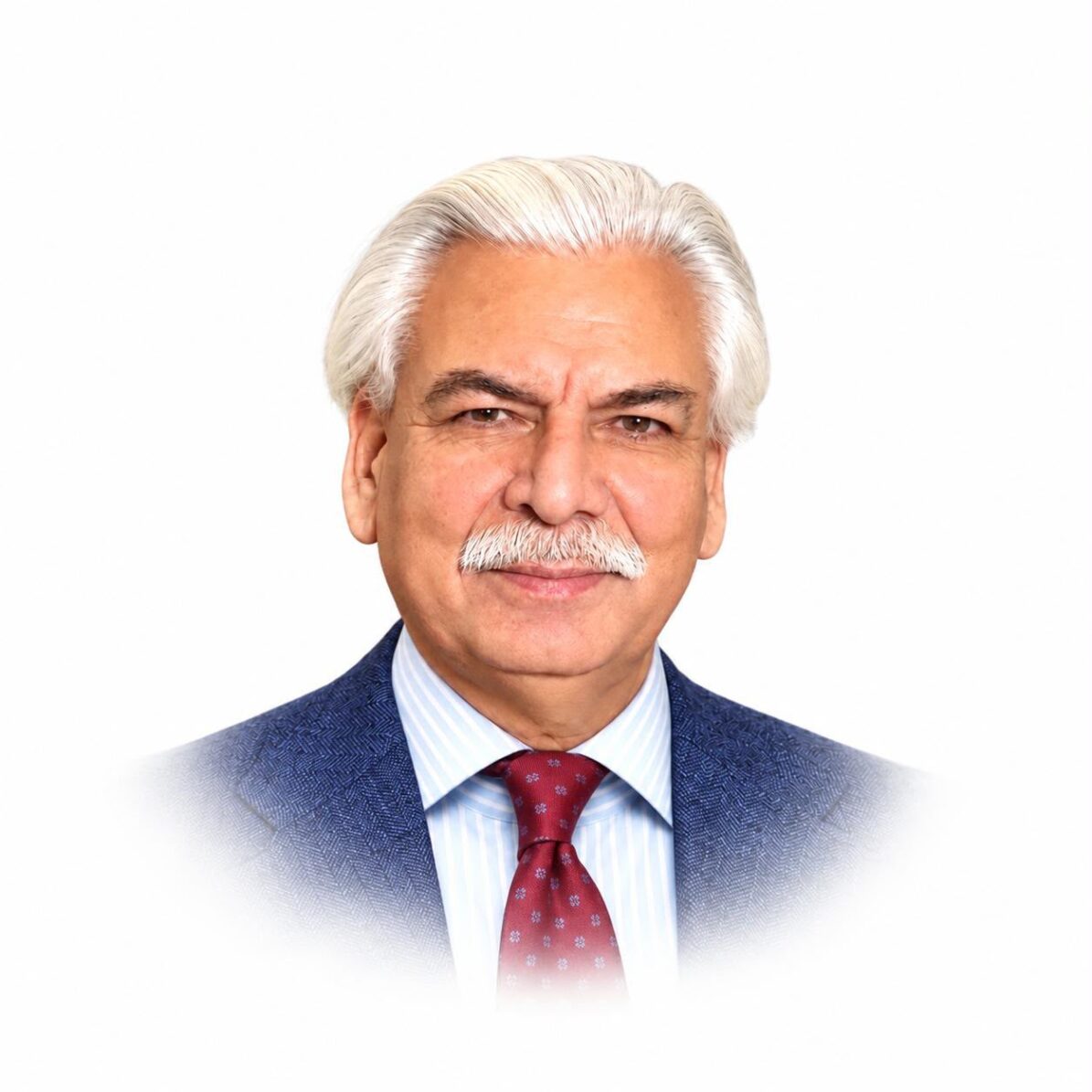
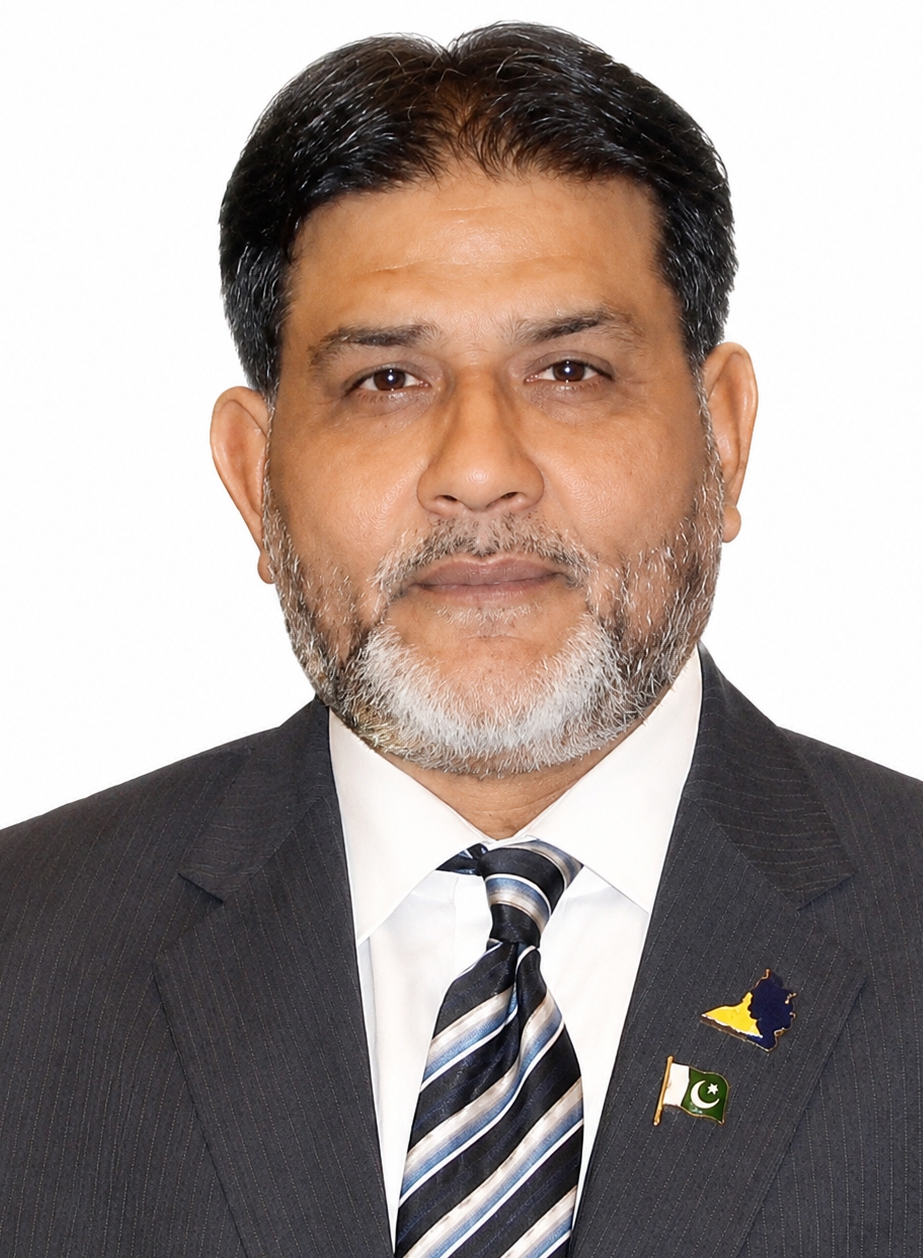
Barrister Usman Ali, Ph.D.
Khyber Pakhtunkhwa stands at a critical crossroads. Decades of terrorism, political instability, displacement and economic deprivation have left deep scars on the province and its people. Despite enormous sacrifices, lasting peace and prosperity remain elusive. The present crisis demands more than administrative changes or security operations. It calls for political reconciliation, experienced leadership and a shared commitment to rebuilding public confidence.
The recent imposition of Governor’s Rule, following nearly thirteen years of Pakistan Tehreek-e-Insaf (PTI) governments, has opened a new and contentious chapter in provincial politics. Persistent confrontation between Islamabad and Peshawar, disagreements over counterterrorism policies and deteriorating security conditions have compounded longstanding difficulties. It must, however, be acknowledged that terrorism, institutional weaknesses, inequitable resource distribution and the longstanding grievances of the tribal districts have persisted for several decades.
The establishment of an eleven-member Advisory Council and a forty-eight-member Area Representation and Development Council for twelve affected districts offers an opportunity to reconsider governance and development priorities. However, creating new institutions and introducing new faces will achieve little without clear objectives, accountability and an understanding of the province’s complex political and tribal realities.
While the participation of educated and emerging leaders is essential, the experience of seasoned political figures should not be overlooked. In Khyber Pakhtunkhwa, where personal credibility, longstanding relationships and tribal traditions continue to influence public affairs, political experience can be particularly valuable in building trust and facilitating dialogue.
Aftab Ahmad Khan Sherpao is one such figure whose experience and political relationships merit serious consideration.
Having twice served as Chief Minister of the former North-West Frontier Province, in 1988 and 1994, and subsequently as Federal Minister for Water and Power and Interior, Sherpao possesses extensive experience in provincial administration, federal affairs and national security.
His years in provincial office were marked by limited resources, administrative difficulties and the consequences of regional instability. Throughout his political career, he has maintained relationships across party lines and with tribal elders and influential community figures. His familiarity with the province’s political and social landscape could be an asset in the present circumstances.
As Federal Interior Minister from 2004 to 2007, Sherpao confronted the growing threat of militancy and terrorism at a particularly difficult period in Pakistan’s history. Having personally survived terrorist attacks, he understands the consequences of extremism beyond the confines of government offices and policy discussions. His experience in security matters, combined with his understanding of provincial politics, could contribute to efforts to bridge differences between the federal administration, political parties and local communities.
Inviting Sherpao to participate in a meaningful consultative process would therefore be worth considering. Such involvement should neither confer extraordinary authority upon him nor serve partisan interests. Its purpose should be to draw upon his experience and relationships in pursuit of broader provincial reconciliation.
Importantly, this initiative must extend beyond any single political personality. Leaders including Asfandyar Wali Khan, Amir Haider Khan Hoti, Barrister Masood Kausar, Humayun Khan, Sirajul Haq and Maulana Fazlur Rehman, alongside other political and civil society representatives, should also be engaged.
Some may strongly oppose the present administrative arrangements, but disagreement must not become a barrier to dialogue. Indeed, reconciliation has little meaning if it involves only those who already agree. Bringing competing political forces together around a common agenda for peace and development would be a more meaningful achievement than securing temporary political consensus.
The immediate priority must be restoring lasting peace. Military operations and administrative measures, while sometimes necessary, cannot succeed in isolation. A consistent counterterrorism policy, effective policing, intelligence coordination, improved border management and meaningful community participation are indispensable. Equally important is the protection of fundamental rights, since no security strategy can achieve lasting success without public confidence.
The former tribal districts require particular attention. Their communities have endured years of violence, displacement and neglect. Rebuilding schools, hospitals, roads and commercial centres, facilitating the dignified return of displaced families and creating employment opportunities must become immediate priorities. The people of these areas deserve to be treated as equal citizens, not viewed primarily through the lens of security concerns.
Economic revival must accompany improvements in security. Khyber Pakhtunkhwa possesses considerable potential in hydropower, tourism, agriculture, mineral resources and regional trade. Tourism in Swat, Chitral, Dir and Hazara, agricultural development in the southern districts and small industries in tribal areas could generate employment and reduce economic deprivation. Investment in technical education, digital skills and accessible business financing would give young people alternatives to unemployment and uncertainty.
Meanwhile, unresolved financial issues between Islamabad and Peshawar, including development allocations for the merged districts, net hydropower profits and other constitutional entitlements, must be addressed through sustained institutional dialogue rather than political confrontation.
It must also be recognised that Governor’s Rule is an extraordinary constitutional arrangement, not a permanent alternative to representative government. Its ultimate success should be measured not merely by administrative efficiency or temporary improvements in security, but by whether it creates conditions for restoring effective democratic governance. The political mandate and legitimate role of all major parties, including PTI, must be respected.
Against this background, a broad-based Provincial Peace and Development Consultative Forum could provide a practical platform for political dialogue and confidence-building. Bringing together Sherpao and other experienced political leaders, tribal representatives, civil society, women, young people and business communities, such a forum could help develop common priorities without becoming a parallel centre of authority. Its recommendations should be practical, transparent and directed towards measurable improvements in public welfare.
Khyber Pakhtunkhwa does not lack political leaders, natural resources or economic potential. What it has lacked is sustained political cooperation and continuity in addressing its most pressing challenges. Experienced figures such as Aftab Sherpao could contribute to bridging that divide, provided the process remains inclusive and firmly grounded in public interest rather than personal or partisan considerations.
The people of Khyber Pakhtunkhwa have witnessed too much bloodshed, buried too many loved ones and listened to too many unfulfilled promises. They need peace, security, education, healthcare, employment and a future free from fear.
The province needs reconciliation rather than confrontation, cooperation rather than political isolation, and development rather than another cycle of uncertainty. Drawing upon experience while embracing new leadership could help make that possible. Above all, lasting peace and prosperity must be recognised not as political concessions, but as the fundamental rights of Khyber Pakhtunkhwa’s long-suffering people.




Leave a Reply