

Written by: Shayan Iqbal, PID Peshawar
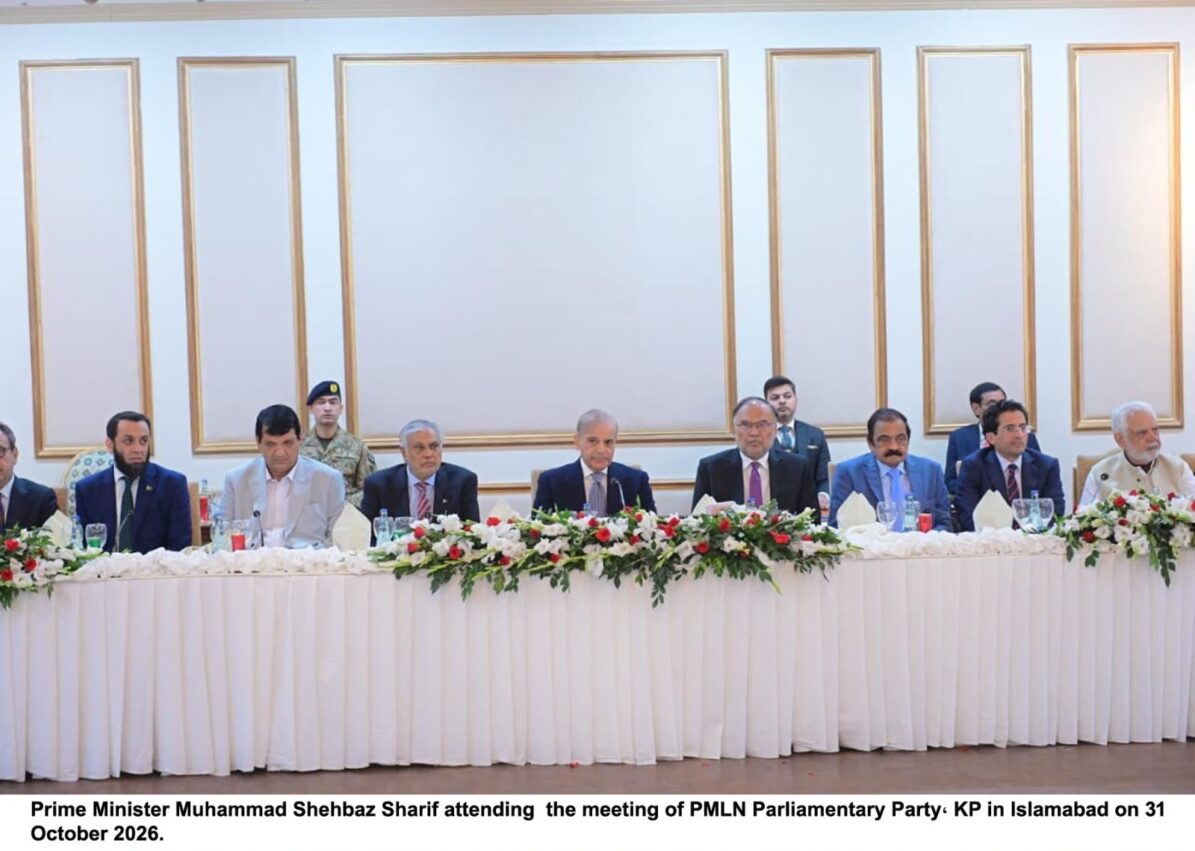
At a time when the world is facing rising oil prices and increasing inflation, Prime Minister Shehbaz Sharif’s Special Fuel Relief Scheme has emerged as a much-needed step to support the common people. This timely initiative reflects the government’s efforts to reduce the financial burden on ordinary citizens, particularly those struggling to meet their daily expenses.
According to the Prime Minister’s Office, more than 12.7 million people have registered under the scheme, while over 9.5 million are already receiving subsidized petrol. If we consider an average of five family members per beneficiary, this relief could indirectly benefit nearly 50 million Pakistanis. These figures highlight the potential impact of the scheme on millions of families across the country. The scheme is especially important for people who work hard every day but often receive little financial support. Motorcycle riders, delivery workers, and rickshaw drivers depend on fuel to earn their livelihoods. Rising petrol prices directly affect their income and make it harder to support their families.
For these hardworking people, a saving of Rs. 2,000 is not a small amount. It can help pay school fees, buy groceries, or cover other essential household expenses. By reducing fuel costs, the government can provide meaningful relief to those most affected by rising prices. The government’s decision to allocate Rs. 75 billion for the first three months of the scheme is significant, especially when Pakistan is facing economic challenges, fiscal pressures, and the conditions of a $7 billion IMF programme. With an estimated monthly cost of Rs. 25–35 billion, the initiative reflects an effort to balance economic responsibilities with the urgent needs of the public.
The Prime Minister has also overseen coordination among relevant institutions, including NADRA, OGRA, the State Bank of Pakistan, and telecom companies, to help implement the scheme effectively. Such coordination is essential to ensure that assistance reaches eligible people in a timely and transparent manner. The recent war and international oil price shocks have placed additional pressure on fuel prices in Pakistan, with petrol reportedly rising from around Rs. 266 to nearly Rs. 395 per litre. These increases affect not only motorists but also transport fares, food prices, and the overall cost of living.
In such difficult circumstances, the government’s message that “We are not responsible for the war, but we will not leave our people alone” reflects the importance of standing with citizens during a crisis. Although Pakistan cannot control global oil prices, it can take practical steps to reduce their impact on vulnerable communities. For the scheme to achieve its full potential, the relief must reach those who need it most. The registration and payment processes should remain simple, transparent, and accessible, particularly for low-income families and daily-wage earners. Regular monitoring and clear public information can help prevent misuse and build confidence in the programme. While the fuel relief scheme cannot solve Pakistan’s inflation problem on its own, it is a practical step in the right direction. Sustainable relief will also require measures to control unnecessary price increases, improve economic stability, create employment opportunities, and protect the purchasing power of ordinary citizens.
The newly formed six-member committee comprising representatives of the government and Jamaat-e-Islami, tasked with discussing the expansion of the relief scheme and the phased reduction of the petroleum levy, offers an opportunity to explore further measures in the public interest. Its recommendations should focus on providing meaningful relief while keeping the country’s financial realities in view. Prime Minister Shehbaz Sharif’s fuel relief initiative demonstrates the importance of people-centred policies during challenging economic times. For millions of hardworking Pakistanis, even modest financial assistance can make a meaningful difference in their daily lives. The success of this initiative will depend on fair implementation, transparency, and the government’s continued commitment to public welfare.
In difficult times, leadership is not measured by promises alone, but by practical steps that ease the lives of ordinary people. If implemented effectively and supported by further economic reforms, this initiative can become an important step towards providing relief, restoring public confidence, and building a more secure future for the people of Pakistan.






Leave a Reply