

By Junaid Qaiser
The Middle East has experienced enough wars, confrontations and political upheavals to understand that another prolonged conflict would serve no one’s interests. However, the continuing dispute over Iran’s nuclear programme threatens to push an already fragile region towards further instability. At a time when diplomatic channels are under pressure and divisions among major powers remain deep, Pakistan’s renewed call for restraint and dialogue deserves serious attention.
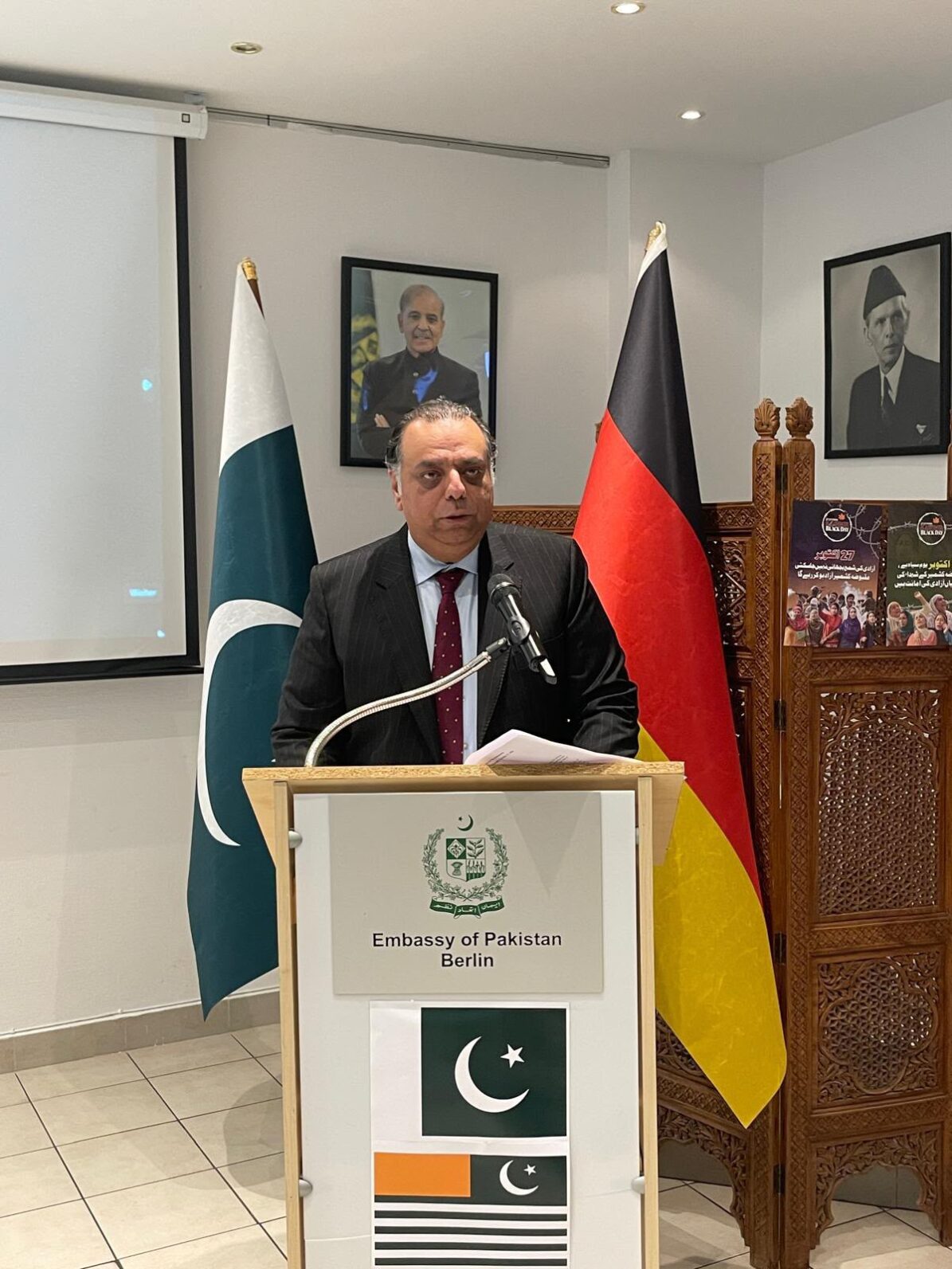
Speaking at the United Nations Security Council on Tuesday, Pakistan’s Acting Permanent Representative, Ambassador Usman Jadoon, expressed concern over the sharp deterioration of the situation surrounding Iran’s nuclear programme. His message was clear: confrontation cannot provide a lasting solution, and diplomacy remains the only credible path towards regional peace and stability.
Pakistan’s position reflects both its geographical realities and its growing diplomatic engagement in the Middle East. Sharing a long border with Iran while maintaining close strategic relationships with Saudi Arabia, Türkiye, China and other regional partners, Islamabad understands the consequences of allowing tensions to spiral beyond control. Any further escalation involving Iran would have implications not only for the Gulf but also for Pakistan’s security, economy and broader regional interests.
Ambassador Jadoon’s appeal for restraint was not simply another routine diplomatic statement. It reflected an understanding that inflammatory rhetoric, military pressure and political confrontation can quickly create circumstances in which even those seeking to avoid war find themselves trapped by events.
There is an important distinction between addressing legitimate international concerns about nuclear proliferation and allowing those concerns to become instruments of geopolitical confrontation. Iran, like other states, has obligations under the international non-proliferation framework.
Pakistan has therefore rightly emphasised the role of the International Atomic Energy Agency. The IAEA possesses the technical expertise and institutional mandate to examine nuclear activities, assess compliance and provide credible findings. Its work should remain professional, independent and free from political interference.
The credibility of international nuclear safeguards depends on consistent standards. When technical questions become entangled in political rivalries, confidence in the broader non-proliferation system suffers. Allowing the IAEA to perform its responsibilities without obstruction is essential for restoring trust and creating conditions in which meaningful negotiations can resume.
Equally important is the need to recognise that sanctions, threats and military pressure have limitations. They may influence calculations, but they cannot substitute for a political agreement capable of addressing the security concerns of all parties. A sustainable settlement requires verifiable commitments, reciprocal confidence-building measures and a willingness to acknowledge legitimate regional anxieties.
Pakistan’s diplomatic approach appears to recognise these realities.
Over recent months, Islamabad has sought to position itself as a constructive participant in efforts to reduce regional tensions. Rather than treating the Iranian crisis as a distant confrontation between Tehran and Western powers, Pakistan has approached it as a regional challenge requiring sustained engagement among neighbouring countries and influential international actors.
Ambassador Jadoon’s reference to the Islamabad Memorandum of Understanding signed in June was particularly noteworthy. By presenting the agreement as evidence that diplomatic engagement can produce progress, Pakistan sought to remind the Security Council that negotiations remain possible even when the wider political environment appears unfavourable.
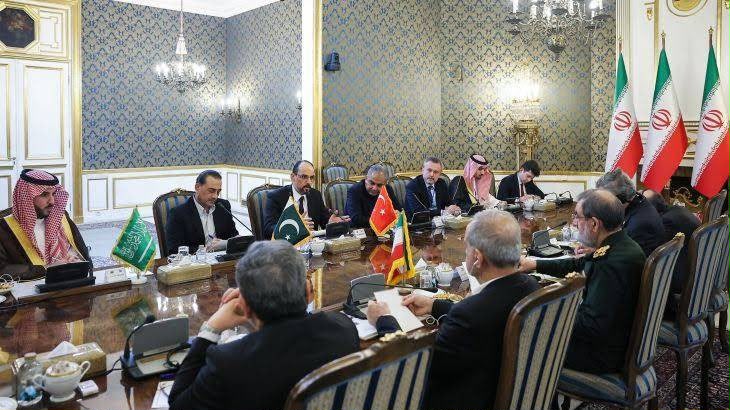
The involvement and support of Qatar, Saudi Arabia, Türkiye, Egypt and China also highlight an encouraging development. Regional diplomacy is becoming increasingly important in efforts to manage conflicts that have traditionally been dominated by the calculations of major powers.
For Pakistan, this creates both an opportunity and a responsibility.
Islamabad enjoys relationships with countries that do not always share identical strategic interests. Its longstanding partnership with Saudi Arabia, close cooperation with Türkiye, strategic relationship with China and geographical proximity to Iran provide channels of communication that can be valuable during periods of heightened tension.
However, diplomatic influence should not be confused with the ability to dictate outcomes. Pakistan cannot resolve the Iranian nuclear dispute independently, nor can any single regional country overcome decades of mistrust. What Islamabad can do is encourage communication, support confidence-building measures and help create political space for negotiations.
Pakistan must also remain conscious of its own national interests. Instability along its western border, disruptions to regional trade, rising energy costs and the possibility of wider military confrontation would directly affect an economy already facing considerable challenges. Peace in the Gulf is therefore not merely a diplomatic preference for Islamabad; it is an economic and security necessity.
There is also a broader lesson in the present crisis. The Middle East cannot achieve lasting stability through an endless cycle of deterrence, retaliation and temporary ceasefires. Security arrangements may help prevent immediate aggression, but political disputes ultimately require political solutions.
President Donald Trump’s administration also has an important opportunity to pursue a negotiated outcome. Washington remains central to any durable settlement involving Iran’s nuclear programme. A diplomatic agreement that provides credible verification, addresses international security concerns and offers a realistic framework for reducing tensions would represent a substantial achievement.
Pakistan’s Diplomatic Push for Peace with Iran




Leave a Reply