

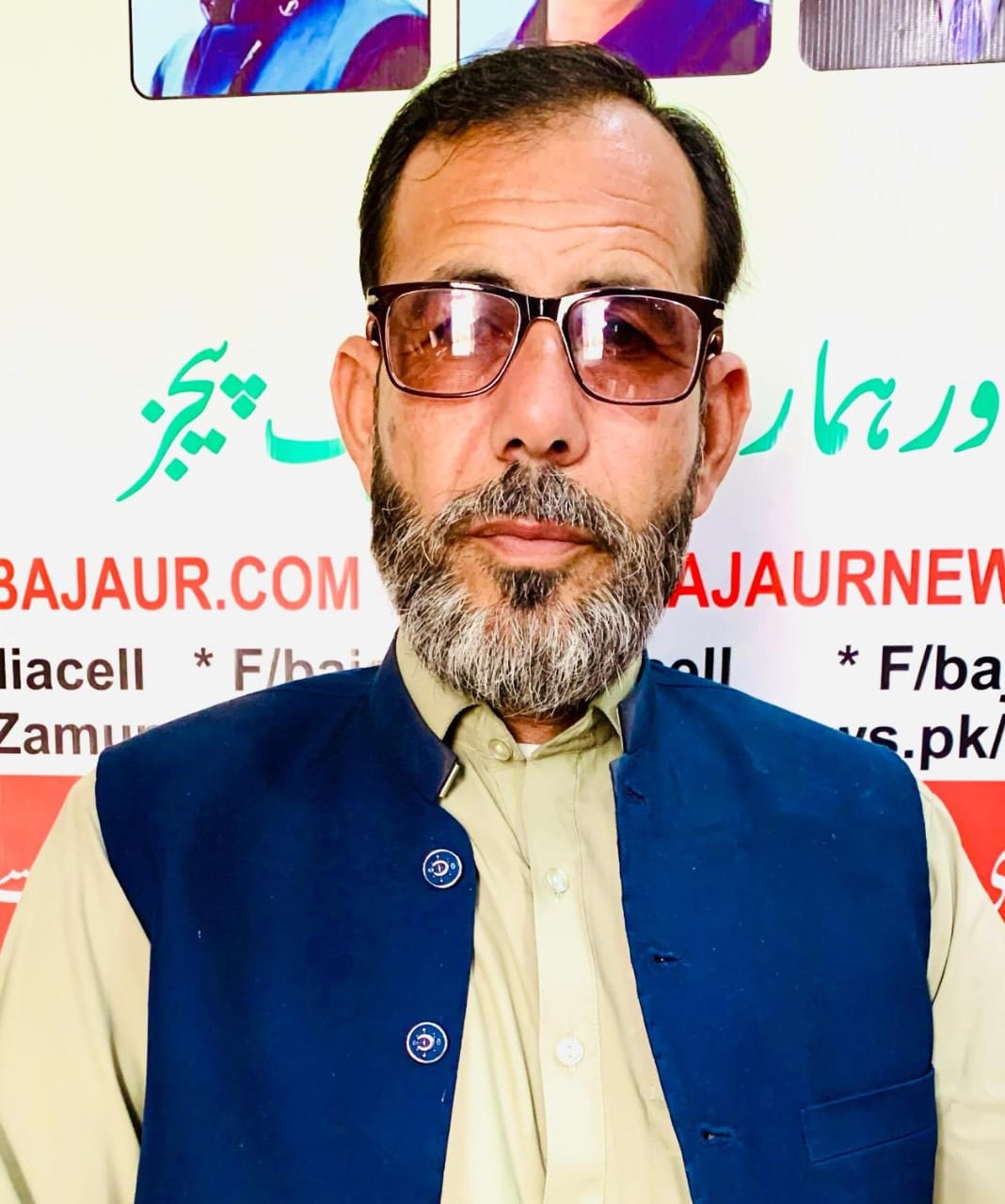
Anwar Zada Gulyar
The history of journalism in the tribal districts and Malakand Division is not merely confined to news reports, headlines, and newspaper pages. Rather, it is a story of sacrifices, hardships, fear, and relentless struggle. Journalists in these areas have performed their professional duties under extremely challenging circumstances, where terrorism, targeted killings, activities of armed groups, threats, and political and social pressures have affected almost every aspect of life.
From Bajaur, Mohmand, Khyber, Kurram, North and South Waziristan, and other former tribal districts to Swat, Upper Dir, Lower Dir, Chitral, Buner, Shangla, and Malakand, journalists have played a significant role in highlighting public issues and bringing them to the attention of government institutions despite limited resources. In these areas, journalism is not merely a profession; at times, it means representing the rights of the people while putting one’s own life at risk.
So far, approximately 18 journalists have been killed while performing their professional duties in the tribal districts. This figure reflects the harsh reality that journalism in these areas has never been just a professional responsibility; rather, it has been a struggle for which journalists have paid with their lives. Behind these sacrifices lies a long history of efforts to highlight public grievances, report on insecurity, and bring facts to light.
The history of tribal journalism includes several journalists who lost their lives while carrying out their professional responsibilities. The killing of Ibrahim Jan, a journalist from Bajaur, remains a tragic incident in this regard. Ibrahim Jan was associated with Express News and was performing his journalistic duties when he was martyred. His death dealt an irreparable loss to the journalistic community of Bajaur.
Similarly, Dr. Noor Hakim Khan, also from Bajaur, lost his life in a bomb blast. He was associated with Daily Ausaf and Daily Pakistan. His death is another reminder that journalists in the tribal areas have not only faced threats and pressure but have also lost their lives in acts of terrorism.
The killing of North Waziristan journalist Kamran Dawar on May 21, 2024, was another tragic chapter in the history of tribal journalism. He reported on insecurity and the activities of armed groups in the area. According to an investigation by the Committee to Protect Journalists (CPJ), he had also received threats before his murder. Similarly, the brutal killing of journalist Khalil Jibran in Landi Kotal, Khyber District, on June 18, 2024, was a major tragedy for the journalistic community. Khalil Jibran was associated with Khyber News and had also served as the former president of the Landi Kotal Press Club.
These incidents clearly demonstrate how sensitive and dangerous the profession of journalism has been in the former tribal districts. Journalists are required to report on terrorism and insecurity while simultaneously facing local power structures, political pressure, and resentment from various influential quarters. Under such circumstances, ensuring their own safety and that of their families becomes a constant challenge.
The difficulties faced by journalists in Malakand Division are no less severe. Journalists in Bajaur, Swat, Upper Dir, Lower Dir, Chitral, Buner, Shangla, and Malakand play a fundamental role in highlighting issues related to education, healthcare, law and order, electricity, water, roads, unemployment, and development projects. To cover stories in remote areas, they often have to travel several kilometres, bear the expenses of cameras, internet, and transportation with limited resources, and sometimes risk their lives while reporting on incidents.
One of the major challenges facing these journalists is financial insecurity. Despite being associated with major media organizations, many local correspondents are deprived of adequate salaries, permanent employment, healthcare facilities, and insurance coverage. Some journalists wait for months to receive their payments, while many others continue their professional activities using their own personal resources. Under such circumstances, maintaining professional independence and resisting pressure from influential quarters becomes even more difficult.
Another sensitive aspect of journalism in small towns and tribal societies is the influence of local social, political, and administrative power structures. Publishing a report against an influential personality, government official, or powerful group can sometimes expose a journalist to personal hostility, threats, and pressure. Despite these challenges, local journalists continue to perform their duties by prioritizing the public interest and highlighting issues that often fail to receive adequate coverage in major media organizations.
Press clubs also play a vital role in these areas. They not only provide journalists with a common platform but are also instrumental in highlighting public issues and safeguarding press freedom. However, several press clubs are facing financial difficulties, limited resources, and a lack of basic facilities. Journalists in the former tribal districts particularly need special attention, government grants, modern professional training, and legal assistance.
Despite the sacrifices made by tribal journalists, an important question remains: How many effective measures have been taken to bring those responsible for the killings and attacks on journalists to justice? Following the death of a journalist, condolence statements and condemnation resolutions are often issued, but what is actually needed is transparent investigation, the arrest of those responsible, legal proceedings, and sustained support for the affected families.
The Khyber Pakhtunkhwa government and relevant institutions should establish an effective mechanism to ensure the protection of journalists in Malakand Division and the former tribal districts. Immediate action should be taken whenever journalists receive threats, security should be provided to those facing serious risks, and financial assistance, healthcare facilities, and insurance coverage should be ensured for the families of slain journalists. Similarly, special funds should be allocated for the rehabilitation of press clubs and professional training of journalists.
Journalistic organizations also have a responsibility to go beyond statements and meetings. They should adopt a joint strategy to pursue cases involving slain journalists, support affected families, and safeguard the rights of media professionals. Media owners, too, must provide their correspondents with reasonable compensation, job security, and legal and medical facilities.
Undoubtedly, journalism also demands responsibility. Verification of news, impartiality, the inclusion of relevant parties’ viewpoints, and adherence to journalistic ethics must remain the fundamental principles of every journalist. However, no journalistic error or disagreement can ever justify threats, violence, or murder.
November 2, the International Day to End Impunity for Crimes against Journalists, provides an opportunity to remember the sacrifices of Ibrahim Jan, Dr. Noor Hakim Khan, Kamran Dawar, Khalil Jibran, and all those journalists who lost their lives while performing their professional duties. Their names are not merely part of journalistic history; they are symbols of the struggle for press freedom in these regions.
The need of the hour is not simply to remember the sacrifices of journalists in the tribal districts and Malakand Division, but to take practical steps to protect them. Their families must not be abandoned, justice must be ensured in murder cases, and an environment must be created in which local journalists can highlight public issues without fear or pressure.
Because when a journalist in Bajaur, Waziristan, Khyber, Mohmand, Swat, or Dir is silenced, it is not merely the voice of a pen that is suppressed; the voices of thousands of marginalized and voiceless citizens in these areas are also affected.
Tribal journalists have written the history of journalism with their blood. Now it is time for the state, government, and media organizations to fulfil their responsibilities towards their protection, dignity, and justice. Protecting the pen is not a favour to anyone; it is a fundamental necessity for safeguarding the public’s right to information and strengthening a democratic society.


Leave a Reply