

By Junaid Qaiser
Pakistan’s welcome for the United States’ willingness to play a constructive role in facilitating dialogue with Afghanistan represents an important diplomatic development at a time when tensions between Islamabad and Kabul continue to raise serious security concerns. The remarks by US Secretary of State Marco Rubio are particularly significant because they acknowledge Pakistan’s concerns about terrorist attacks originating from Afghan territory and signal Washington’s readiness to help if a meaningful opportunity for engagement emerges.
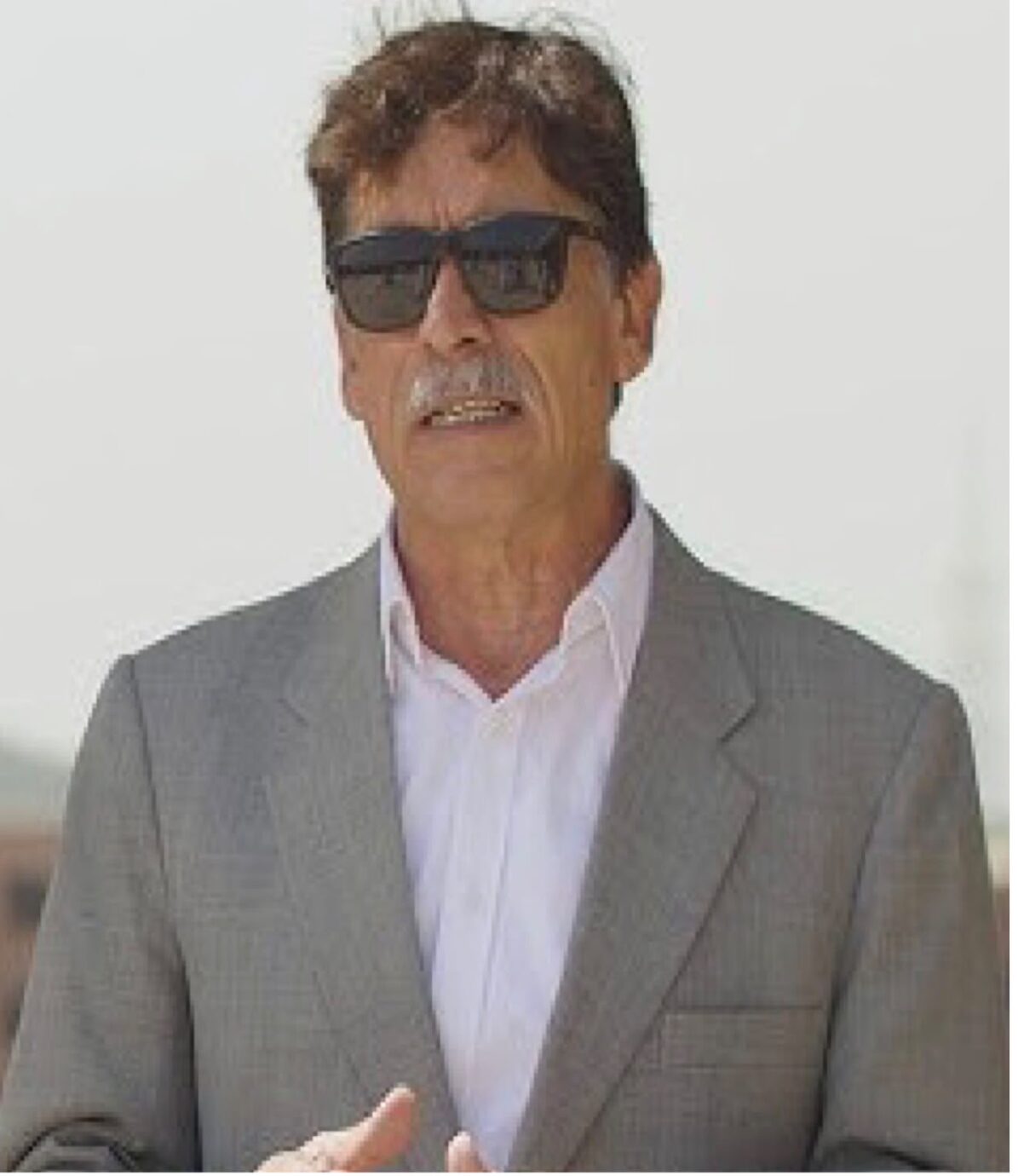
Speaking at a press briefing on the sidelines of a G20 ministerial meeting, Rubio addressed the deteriorating relationship between Pakistan and Afghanistan. He said Pakistan was concerned about terrorist attacks being sponsored from Afghan territory and believed that the Taliban authorities had not done enough to prevent them. He also made clear that the United States did not want Pakistan to remain a target of terrorism.
Rubio’s statement deserves attention. He did not dismiss Islamabad’s concerns or treat the security situation as merely a bilateral disagreement. Instead, he acknowledged that Washington had heard Pakistan’s complaints and had seen some of the attacks to which Pakistani officials had drawn attention. He added that the US opposed terrorism regardless of where it originated or whom it targeted.
Perhaps most importantly, Rubio said that if the US could play a productive role, it would be willing to do so. Although he recognised that Washington did not have a particularly close relationship with the Taliban, his remarks left the door open for diplomatic engagement. For Pakistan, this is an opportunity to build international support for a peaceful solution while keeping its security concerns firmly at the centre of any negotiations.
Islamabad’s position has remained consistent: constructive engagement with Afghanistan is possible, but it cannot come at the expense of Pakistan’s national security. Pakistan has repeatedly raised concerns about militant organisations, particularly the Tehreek-e-Taliban Pakistan (TTP as well as the Balochistan Liberation Army (BLA and other armed groups. Islamabad maintains that these organisations use Afghan territory to organise, plan or facilitate attacks inside Pakistan.
These are not concerns that can be resolved through statements of goodwill alone. Any lasting improvement in relations requires concrete and verifiable steps by the Afghan Taliban to prevent militant groups from operating against Pakistan. The responsibility of the authorities in Kabul is therefore central to the prospects for dialogue.
Pakistan has a legitimate expectation that its territory, citizens and security institutions should not be exposed to attacks planned or supported from across the border. No country can be expected to overlook threats to its sovereignty and public safety. At the same time, Pakistan has an interest in avoiding an open-ended confrontation with its neighbour. A stable Afghanistan is important for Pakistan’s own security, economic prospects and regional connectivity.
This is where the US offer could prove valuable. Washington has diplomatic influence and international standing that could help encourage communication between Islamabad and Kabul. Its involvement, if pursued carefully and impartially, could help create space for practical discussions on counterterrorism, border security and the responsibilities of the Afghan authorities.
A credible process could begin with clear commitments from Kabul, followed by practical measures to prevent cross-border attacks. Both sides could also explore communication channels to address security incidents before they escalate. A mechanism for sharing relevant information and reviewing progress would help ensure that commitments are translated into action. The United States could support such efforts by encouraging transparency and sustained engagement.
Pakistan should also continue using diplomatic channels to explain its position to international partners. There is also a broader regional dimension. Instability between Pakistan and Afghanistan affects trade, transport, investment and connectivity across South and Central Asia. Both countries have much to gain from peaceful borders and functioning economic links. Afghanistan’s geographical position gives it considerable potential as a bridge between regional markets, while Pakistan offers access to major trade routes and seaports. Continued insecurity, however, risks undermining these opportunities.
The US should therefore view Pakistan-Afghanistan tensions not only through the narrow lens of counterterrorism but also in the context of regional stability. A secure Pakistan and a peaceful Afghanistan serve wider international interests. Reducing militant violence would create better conditions for trade, development and cooperation across the region.
Rubio’s comments also offer an opportunity to strengthen Pakistan-US engagement. Islamabad and Washington may not see every regional issue in exactly the same way, but counterterrorism remains an area where their interests can converge. Pakistan has suffered enormously from terrorism, losing thousands of civilians and security personnel. Its demand that militant groups should not be allowed to operate from neighbouring territory deserves serious international consideration.
Marco Rubio’s statement provides a useful diplomatic opening. It recognises Pakistan’s security concerns and expresses a willingness by the United States to contribute if a productive role is possible. Islamabad should make the most of this opportunity, engaging Washington and other partners while insisting that any process must deliver tangible security improvements.
Pakistan seeks a peaceful neighbourhood in which its citizens can live without the threat of cross-border terrorism. The US offer to facilitate dialogue could help move both countries towards that objective. But the message must remain clear: dialogue is essential, trust must be rebuilt, and meaningful progress requires action against terrorism.
Pakistan Welcomes US Offer

Leave a Reply