

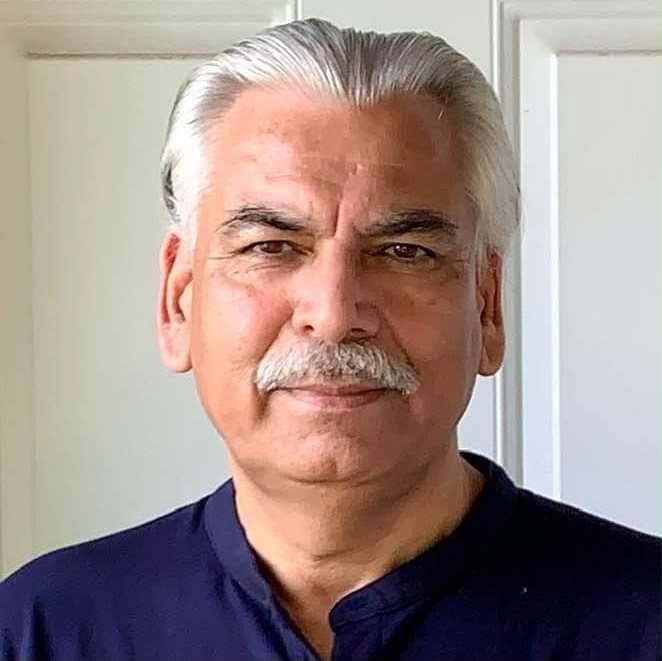
Barrister Usman Ali, Ph.D.
A residential community marketed as a symbol of modern urban planning, premium amenities, and a high standard of living inevitably raises serious concerns when residents continue to face broken sidewalks, stagnant water, dependence on water tankers, limited access to management, and persistent complaints about basic civic services. These are the very concerns now being raised about Bahria Enclave Islamabad.
When Malik Riaz Hussain founded Bahria Town in Rawalpindi several decades ago, the vision was simple yet ambitious: to create planned, modern residential communities that would stand apart from Pakistan’s traditional and often unstructured urban development. Over time, Bahria Town expanded into multiple cities and established itself as a symbol of gated living, superior infrastructure, and organized community planning.
Initially, the model appeared successful. Wide roads, improved security, parks, sidewalks, and a relatively organized environment attracted many families and investors. However, as time passed, legal disputes, regulatory scrutiny, and residents’ complaints regarding various projects began to emerge. The situation in Bahria Enclave has increasingly become part of this broader discussion.
Bahria Enclave was introduced as a premium gated community, promising modern amenities, organized urban planning, and a better quality of life. On the strength of those promises, thousands of families and investors committed their life savings to the project. Today, however, many residents are asking whether the reality on the ground still matches those promises.
The issues do not appear to be limited to a single street, sector, or a handful of homes. Complaints regarding infrastructure, water supply, drainage, maintenance of public spaces, access to management, and enforcement of rules and regulations remain recurring concerns across different parts of the community.
The most visible problem is the condition of basic infrastructure. In many parts of the enclave, sidewalks have remained damaged for years or have deteriorated to the point where walking safely is difficult. Potholes, uneven road surfaces, and visible deterioration can be seen on numerous roads. In some locations, stagnant water regularly accumulates and remains for long periods, affecting not only the appearance of the area but also increasing concerns about mosquito breeding and diseases such as dengue fever.
When such problems persist for years despite repeated complaints, they cease to be isolated shortcomings and instead raise serious questions about priorities, accountability, and the use of resources.
The maintenance of public spaces is another continuing concern. Numerous vacant plots contain overgrown grass, weeds, and poor sanitation conditions. According to residents, these areas increase the risk of snakes and other pests. It is also not uncommon to see herds of cattle, sheep, and goats passing through parks, roads, and residential areas during the evening. Such conditions fall short of the standards one would expect from a premium residential community.
Water supply is perhaps the most fundamental issue. Many families rely on water tankers to meet their daily needs. According to some residents, obtaining water often requires repeated requests, follow-ups, and the intervention of influential contacts. In a community where residents pay significant monthly maintenance fees, this level of dependence for a basic necessity is understandably a source of concern.
Access to management also remains a major issue. At a time when most organizations rely on email, online portals, and digital complaint systems, residents say personal visits and written applications remain the primary means of communication. According to many residents, obtaining timely responses and clear answers is not easy. A modern residential project would reasonably be expected to maintain administrative systems that reflect the same level of modernization.
Issues related to electricity and public safety have also attracted attention. In some locations, exposed electrical wires can reportedly be seen lying on the ground, creating obvious safety hazards. Complaints regarding electricity supply and maintenance continue to surface as well. Under such circumstances, many residents question what level of service should reasonably be expected when every household is required to pay regular monthly maintenance fees.
Residents have also expressed concerns regarding security. Complaints relating to theft, fraud, and other crimes have been reported, while some residents argue that effective control over entry and movement within the community is lacking. This concern is particularly significant because Bahria Enclave has long been marketed as a secure and well-managed gated community.
Beyond infrastructure and civic services, an important issue relates to the enforcement of rules and regulations. Numerous residents claim that regulations are not applied uniformly. According to them, ordinary residents face strict enforcement and are sometimes fined for violations, while influential individuals and those perceived to enjoy favorable relations with management appear to receive considerable leniency. If independent investigations were conducted, many such examples, residents argue, could potentially come to light.
This complaint is particularly common in relation to construction activities. Residents state that while strict rules govern working hours for ordinary homeowners and security personnel routinely stop laborers from working outside approved times, influential individuals and those favored by management are often given greater freedom. Construction work, noise, drilling, and the operation of heavy machinery reportedly continue late into the night in some cases.
Similarly, rules governing the protection of neighboring properties during construction formally require strict oversight by management. Anyone undertaking construction is expected to prevent damage to neighboring homes, boundary walls, and other property, and any damage that does occur is supposed to be promptly repaired or compensated.
According to many residents, these rules often appear to exist only on paper. Residents claim that influential individuals or those favored by management may cause damage or inconvenience to neighboring properties with little consequence. Complaints submitted to management regarding such matters, they argue, frequently receive little or no response.
This perceived double standard is often cited as one of the broader challenges facing institutions and society. When laws, regulations, and justice appear to be influenced by power, personal connections, or favoritism, public trust is inevitably weakened.
Even if Bahria Enclave’s management argues that it faces legal complexities or other administrative challenges, the existence of such difficulties does not diminish the significance of residents’ experiences and complaints. After all, management continues to collect regular maintenance fees and other charges from homeowners. The true measure of any successful residential development lies in how effectively it addresses the day-to-day concerns of its residents.
Until discriminatory treatment between the influential and the ordinary citizen, the connected and the unconnected, is eliminated, lasting solutions to many public issues will remain difficult to achieve. Laws and regulations gain legitimacy only when they are applied equally to everyone, whether they are ordinary residents, influential investors, developers, or the management of a large housing society.
If current trends continue, Bahria Enclave risks becoming an example not of modern residential living but of weak oversight, ineffective accountability, inadequate civic services, and insufficient protection of residents’ rights within large private developments. To reverse this trajectory, both Bahria’s leadership and the relevant regulatory authorities will need to take decisive action. Such measures should include independent investigations, equal enforcement of rules, effective security, transparent complaint mechanisms, improved infrastructure, reliable water and electricity services, maintenance of vacant plots and public spaces, and the fulfillment of commitments made to residents.
The situation at Bahria Enclave ultimately points to a larger issue. If the government formally approves a housing society and the public invests billions, indeed, trillions, of rupees on the basis of that approval, then the state’s responsibility cannot end with the issuance of permits and initial approvals. Ongoing oversight, regulatory compliance, and the protection of residents’ rights are equally important.
There is a clear need for an effective and accessible mechanism through which residents can seek redress when a housing society fails to address their concerns. Such a system should be capable of conducting independent investigations, ensuring accountability, providing remedies to affected parties, and enforcing rules without discrimination.
The real question is not whether Bahria Enclave is a successful project or a failed one. The real question is whether a community that presents itself as one of the country’s premier residential developments is delivering the standards, accountability, and services it promised to its residents. Until a satisfactory answer is provided, the gap between promises and reality will remain.







Leave a Reply