

Musarrat Ullah Jan
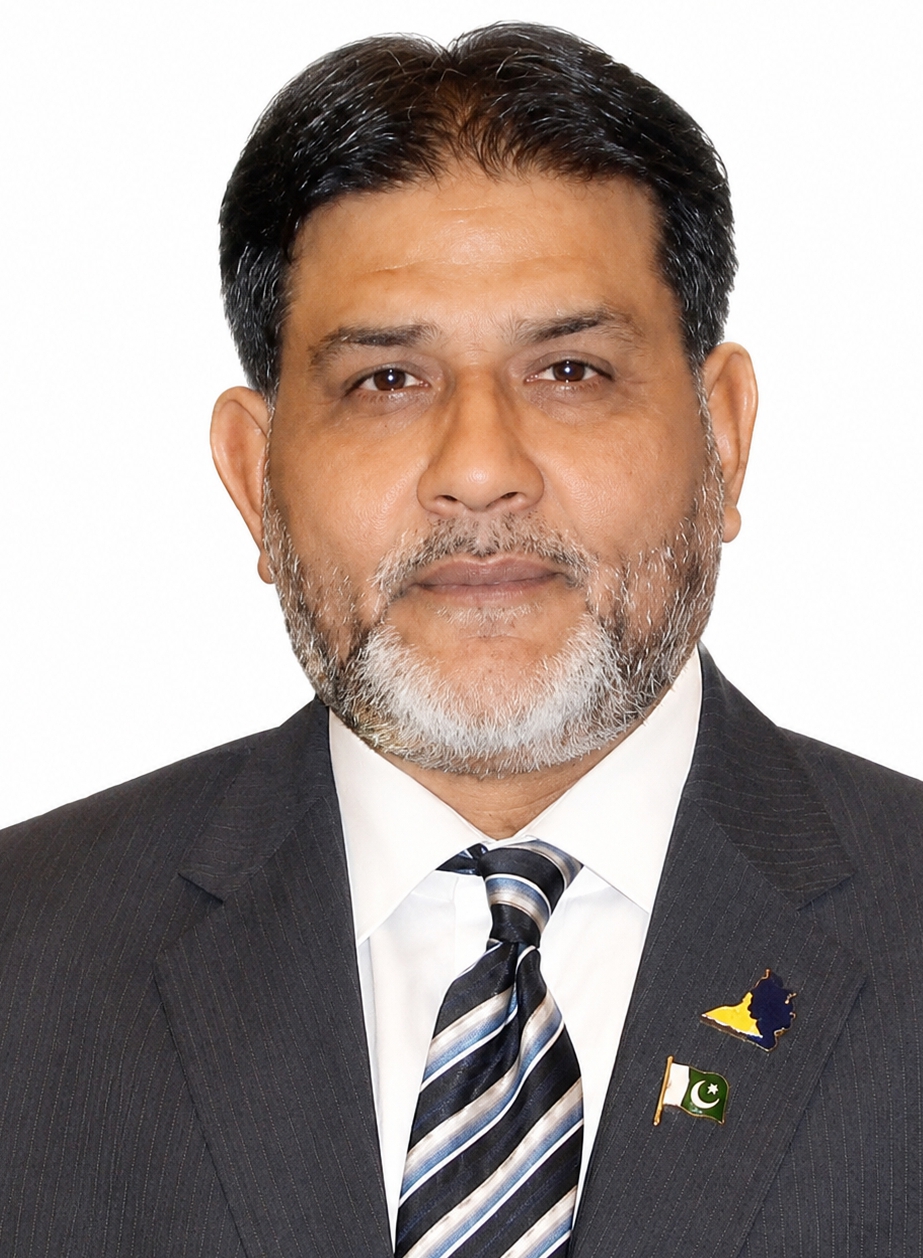
PESHAWAR: The leadership of the Khyber Pakhtunkhwa Sports Directorate has finally changed, with Ashfaq Khan appointed as the new Director General of Sports. According to sources, he is expected to formally assume charge next week.
Ashfaq Khan’s appointment appears to have brought an end to the lobbying and efforts that had reportedly been underway for some time to install a preferred candidate as the Director General.
According to departmental sources, certain individuals had been actively lobbying for a particular officer and holding meetings and contacts in support of his appointment. Sources claim that some of those backing the candidate even attended a dinner at his residence, expressing the expectation that their position within the Sports Department would become highly favourable if he took charge as DG.
Sources further claim that, at one point, after information emerged that a senior official might visit the residence of an influential female officer, some employees at the Sports Directorate were allegedly told in advance to look for alternative seats because they could be moved from their existing positions following a change in leadership.
Some employees, according to the sources, became concerned over the possibility of being transferred or reassigned.
The situation later appeared to calm down after the impression emerged within the department that the incumbent DG would remain in office until December. With the issuance of the new appointment orders, however, the situation has changed once again.
These claims could not be independently verified. However, they raise important questions about lobbying, influence and the role of internal networks in senior appointments within the Sports Department.
Following Ashfaq Khan’s appointment, the most important question should not be who supported whom or who lobbied for which candidate.
The real question is: What will the new DG actually deliver for sports in Khyber Pakhtunkhwa?
Ashfaq Khan is taking charge of a department facing several questions concerning development projects, sports facilities, the district-level sports system, coaching, support for athletes and the use of public funds.
His performance should therefore be assessed against clear and measurable figures.
How many development projects are complete?
How many remain incomplete?
How many are delayed?
How much money has already been spent?
How many new projects have been initiated?
How many athletes have actually received improved facilities and support?
How effective is the district-level sports system?
And how many projects initiated during the previous DG’s tenure were actually completed?
It would also be important for the new DG to establish a clear baseline at the beginning of his tenure. That would make it possible to assess, after one or two years, what has actually changed under his leadership.
Without such measurable benchmarks, the success or failure of any DG can easily become a matter of political claims and personal perceptions.
Meanwhile, the expected visit of a federal government inspection team to the provincial Sports Directorate is also significant.
According to sources, the team is expected to meet officials of the Pakistan Sports Board Coaching Centre, provincial sports authorities and the relevant administration.
Sources say discussions are also expected to cover matters related to three sporting competitions scheduled for 2027.
The meetings could be important for the new administrative setup, particularly because effective coordination between federal and provincial institutions is essential for the use of sports facilities, organisation of events and administrative matters.
Replacing one DG with another will not automatically improve the Sports Department unless performance is linked to measurable outcomes.
The biggest challenge for Ashfaq Khan will be to move the department beyond transfers, appointments and internal groupings and towards results, completion of development projects and the provision of genuine facilities to athletes.
If his tenure produces clear evidence of completed projects, improved sports facilities, a functional district-level sports structure, better opportunities for athletes and transparent use of public funds, his appointment can be considered a success.
Otherwise, a few years from now, the question will once again be the same:
It is not who the DG was that matters most. What matters is what actually happened to sports during his tenure.

Leave a Reply