

By Junaid Qaiser
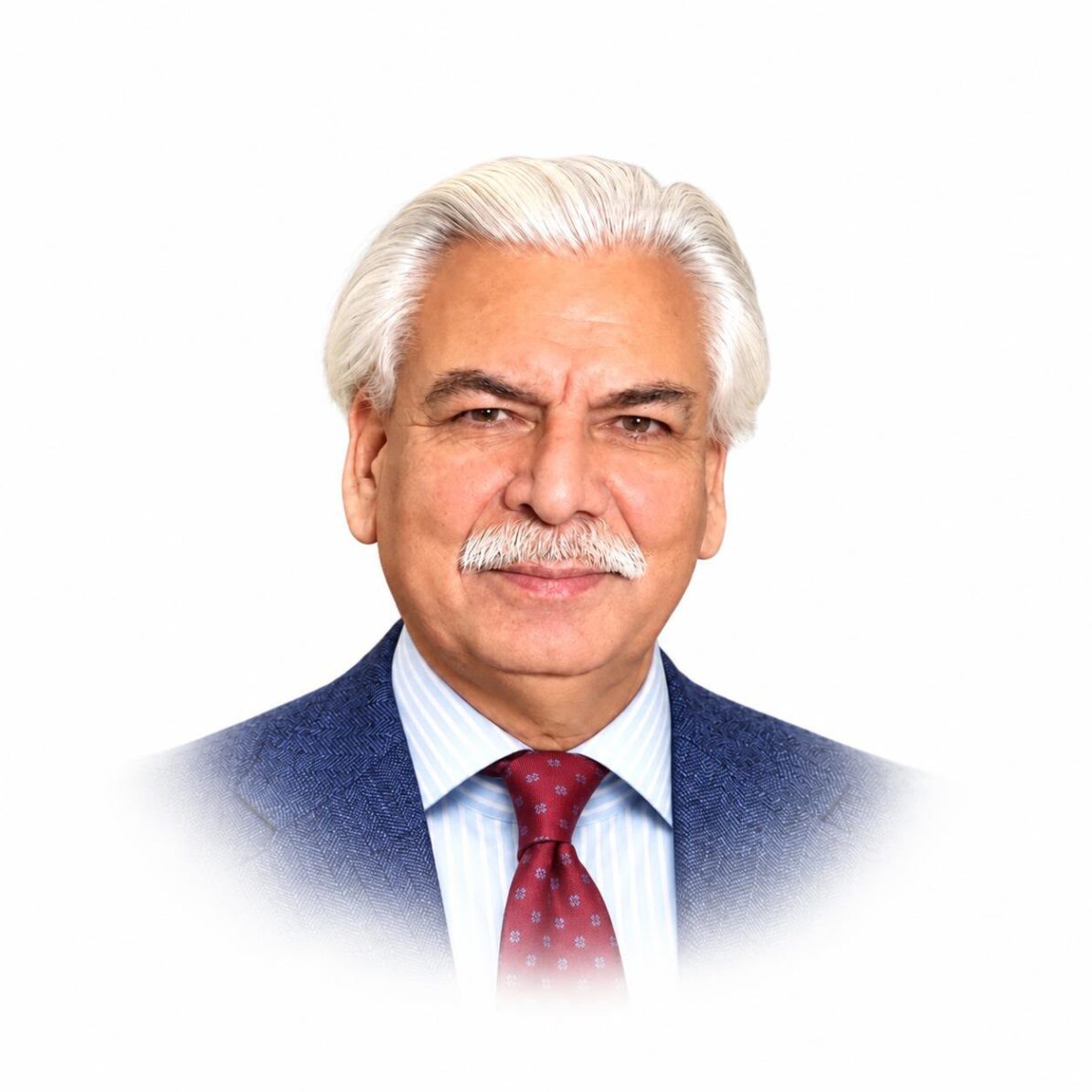
Pakistan’s participation in the Shanghai Cooperation Organisation (SCO) Civilisational Dialogue Forum in New Delhi offered an important opportunity to highlight the country’s commitment to regional cooperation, peace and sustainable development. Federal Minister for Climate Change and Environmental Coordination Dr Musadik Malik represented Pakistan with distinction, delivering a thoughtful message that connected climate change, cultural heritage and the shared responsibilities of nations in an increasingly interconnected world.
His address carried significance beyond the immediate subject of environmental protection. At a time when South Asia continues to face political tensions, economic challenges and regional uncertainties, Malik used the SCO platform to emphasise the importance of dialogue, mutual understanding and cooperation. His message was particularly relevant: the greatest threat to civilisations is not another civilisation, but climate change, a challenge that does not recognise political boundaries or national differences.
The minister’s contribution demonstrated the value of constructive diplomacy. Rather than allowing political disagreements to dominate the discussion, he focused on issues that directly affect the lives and future of people across the region. In doing so, he presented Pakistan as a country willing to engage with its neighbours and international partners on shared challenges while promoting peace, stability and collective progress.
One of the strongest aspects of Malik’s speech was his reference to the devastating floods that struck Pakistan in 2022 and the tragic flooding in Nepal. Pakistan’s experience remains a painful reminder of the destructive consequences of extreme weather. The 2022 floods claimed approximately 1,700 lives, displaced millions and submerged nearly one-third of the country, with Sindh among the worst-affected provinces. Nepal, too, has suffered enormous losses from climate-related disasters.
By bringing these experiences into the discussion, Malik highlighted the urgent need for regional cooperation on climate resilience, disaster preparedness and environmental protection. His argument was compelling because it placed human lives and shared vulnerabilities above political differences.
His reference to Mohenjo-Daro was particularly powerful. The ancient archaeological site, representing one of the world’s earliest urban civilisations, has survived thousands of years of historical change. Yet, as Malik observed, just four days of heavy rainfall were enough to damage walls that had endured for approximately 4,500 years. The example illustrated how climate change threatens not only contemporary communities but also the historical inheritance of humanity.
Mohenjo-Daro is more than a national treasure. It is part of the collective history of human civilisation. Protecting such sites requires investment, scientific research and international cooperation. Malik rightly drew attention to the responsibility of governments to safeguard cultural heritage against increasingly unpredictable environmental conditions.
He also offered an important reflection on human responsibility, acknowledging that human activities have contributed significantly to environmental destruction. This was a reminder that climate change cannot be addressed through declarations alone. Governments must pursue sustainable development, improve environmental governance and invest in policies that reduce vulnerability to natural disasters.
Beyond environmental concerns, Malik’s address reflected a broader understanding of diplomacy. His decision to speak in Urdu, while referring to the literary and spiritual heritage of Delhi, added a cultural dimension to his engagement. His references to Mirza Ghalib and Sufi saint Nizamuddin Auliya demonstrated an appreciation of the historical connections that link the peoples of Pakistan and India.
His observation that genuine dialogue requires different identities and voices was equally meaningful. Civilisations become richer through diversity, cultural exchange and the free flow of ideas. Dialogue loses its purpose when everyone is expected to think or speak in the same way. The strength of a regional organisation such as the SCO lies precisely in its ability to bring countries with different histories, cultures and political systems around a common table.
This approach is particularly important for South Asia. Pakistan and India have a complicated relationship, but their shared history, languages, literature and cultural traditions remain significant. While political disagreements cannot be resolved overnight, opportunities for engagement should not be overlooked. Cultural diplomacy, academic exchanges and cooperation on humanitarian and environmental challenges can help create a more constructive atmosphere.
Malik’s meetings on the sidelines of the forum with Indian Minister for Culture and Tourism Gajendra Singh Shekhawat and other representatives provided an opportunity to explore areas of mutual interest. His separate engagements with representatives from Nepal, Iran, Tajikistan, Azerbaijan and Kyrgyzstan further reflected Pakistan’s interest in strengthening regional relationships.
These interactions are important because diplomacy is not limited to formal negotiations or high-level political agreements. It also involves building trust, identifying shared interests and creating opportunities for practical cooperation. Pakistan’s historical, cultural and economic connections with Central Asia, Iran, the Middle East and South Asia provide a strong foundation for such engagement.
Malik’s proposals at the forum were another positive feature of his participation. He suggested establishing a network of cultural institutions, creating a digital repository to showcase the region’s historical and natural heritage, and developing a climate-resilient heritage framework. These initiatives could help SCO member states combine their cultural resources and technical expertise to protect their shared inheritance.
The idea of a Virtual Green University also offers considerable potential. By bringing together universities, environmental researchers and policymakers, such an initiative could encourage joint research, knowledge-sharing and practical solutions to climate-related challenges. Cooperation in renewable energy, water management, disaster preparedness and sustainable infrastructure could generate benefits throughout the region.
Pakistan’s position within the organisation offers an additional opportunity. Islamabad currently holds the rotating chairmanship of the SCO Council of Heads of State for the 2026–27 term and is scheduled to host the organisation’s summit in August 2027. This provides Pakistan with an opportunity to promote an agenda centred on regional peace, economic cooperation, climate resilience and shared development.
Pakistan’s message at the SCO forum was ultimately about looking beyond immediate disagreements and recognising the possibilities of a shared future. Peace, cooperation and development are not separate objectives; they reinforce one another. A region that invests in dialogue, protects its environment and strengthens economic connections is better positioned to secure prosperity for future generations.



Leave a Reply