

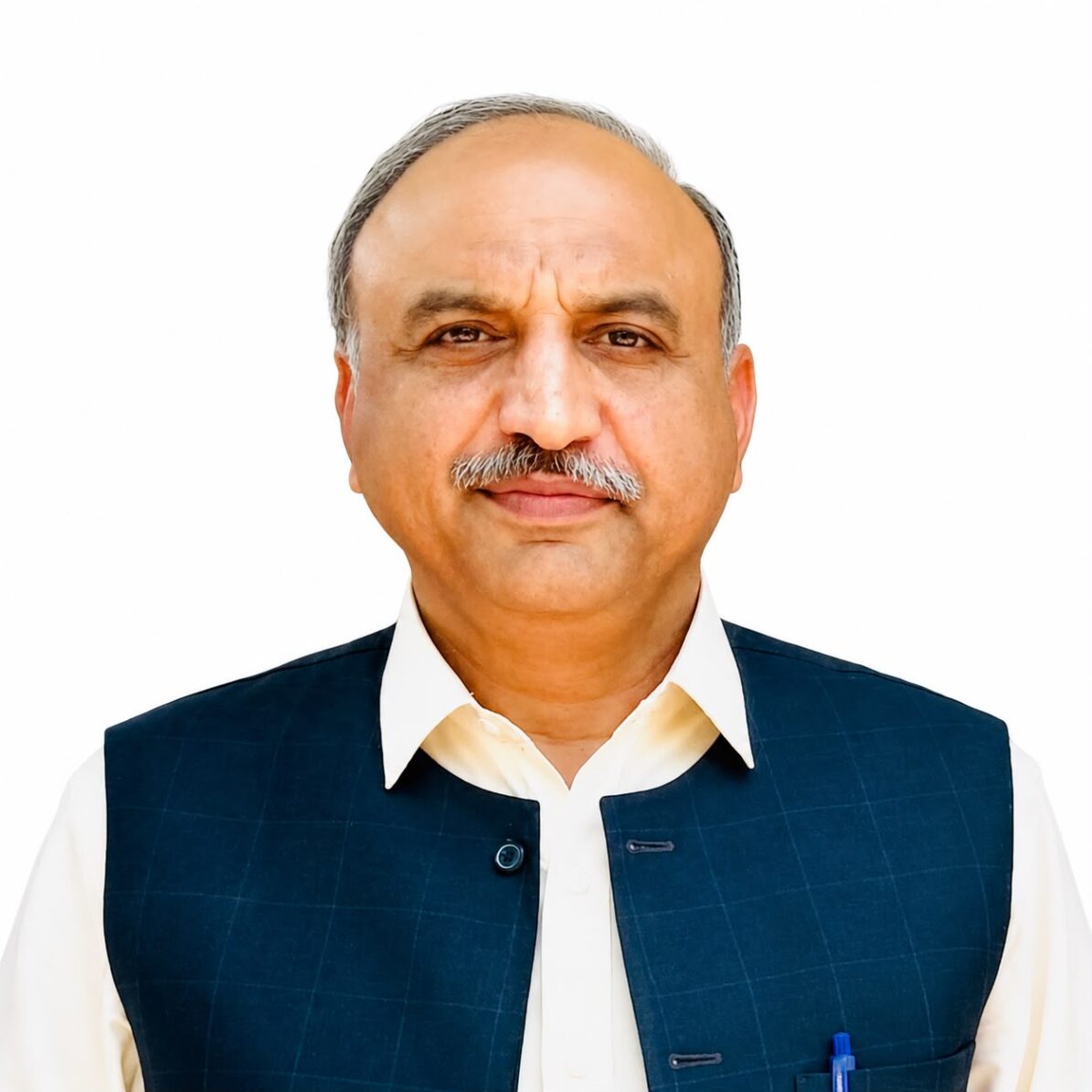
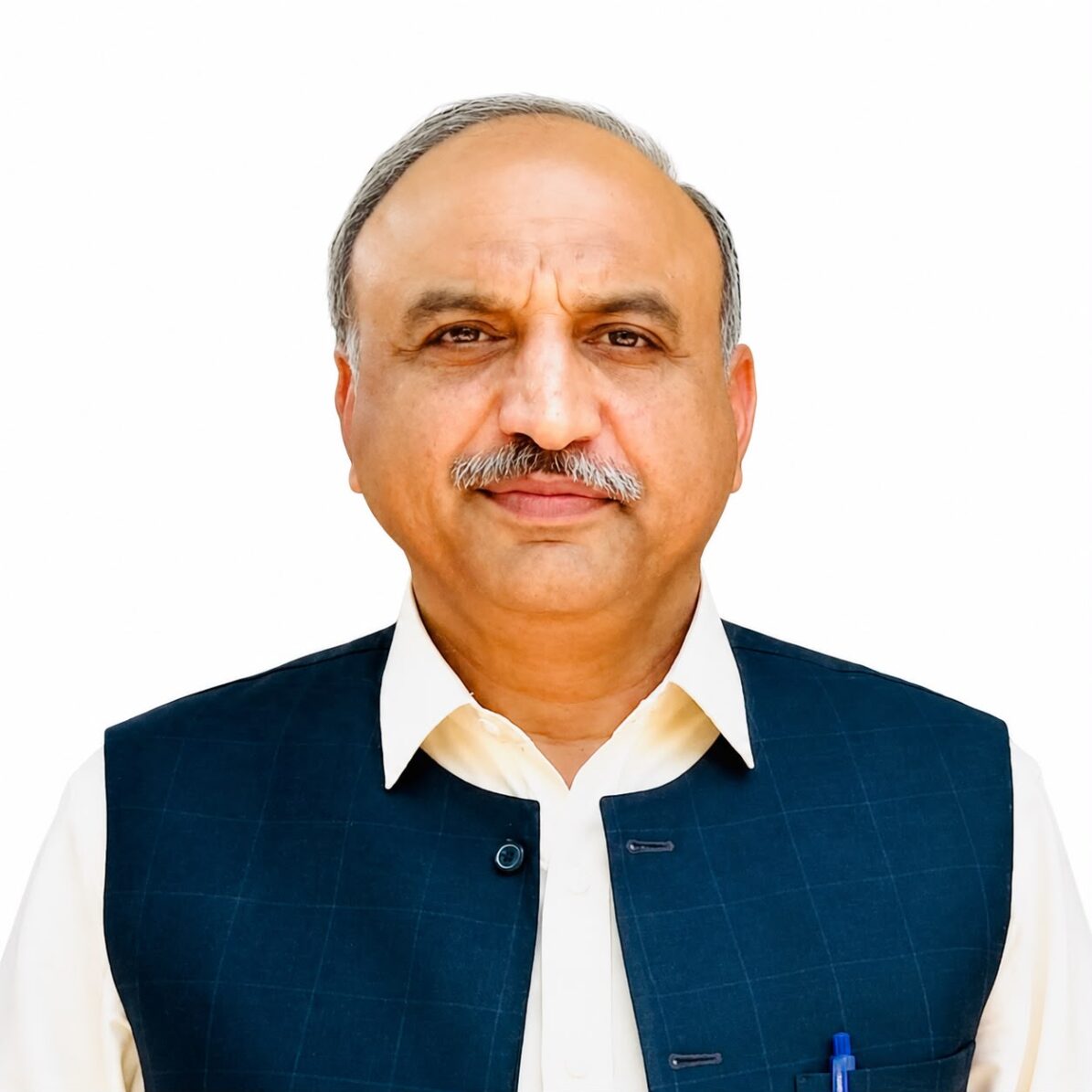
By:Shamsul Haq
Every summer, as tobacco leaves begin to mature across the fertile plains of Mardan, Swabi and Charsadda, a familiar dispute resurfaces. Farmers demand higher prices for their crop, tobacco companies complain of overproduction and regulatory constraints, while the Pakistan Tobacco Board (PTB) finds itself accused by both sides of failing to ensure a fair marketplace.
The annual controversy has become far more than a disagreement over procurement prices. It reflects the complex relationship between agriculture, industry, taxation and regulation in one of Pakistan’s most valuable cash crops.
Tobacco remains one of the most profitable crops cultivated in Khyber Pakhtunkhwa. The districts of Mardan, Swabi, Charsadda, Mansehra and several adjoining areas account for the overwhelming share of the country’s production. Although tobacco cultivation has recently expanded to parts of Punjab, including Gujrat district, Khyber Pakhtunkhwa continues to dominate the sector. Official estimates indicate that tobacco occupies nearly one per cent of Pakistan’s total cultivated land, with most of the crop supplying the country’s cigarette manufacturing industry.
The crop plays a pivotal role in the rural economy of central Khyber Pakhtunkhwa. For thousands of farming families, tobacco is their primary source of cash income, supporting household expenditures, education, healthcare and agricultural investment. Unlike many traditional crops, tobacco generates returns within approximately six months, allowing farmers to cultivate another crop on the same land during the remainder of the year.

The Legal Framework
The relationship between growers and buyers is governed primarily through the Pakistan Tobacco Board, established under the Pakistan Tobacco Board Ordinance, 1968. The Board regulates tobacco cultivation, recommends procurement prices, oversees marketing, promotes exports and supports crop development.
Under the Tobacco Marketing Control Rules, tobacco companies are required to register their procurement requirements before each season, enter into agreements with growers and purchase tobacco according to the regulatory framework. The PTB also recommends a minimum procurement price each year after assessing production costs and market conditions.
The regulatory system seeks to balance the interests of growers and manufacturers while ensuring a stable supply of raw material for the tobacco industry. In practice, however, that balance remains elusive.
Farmers’ Long-standing Grievances
Growers have consistently argued that the existing system favours multinational tobacco companies.
Their principal complaint concerns grading. Farmers maintain that although regulations recognise seventeen grades of tobacco, multinational companies often purchase only premium-quality leaf while rejecting middle and lower grades or assigning lower grades than warranted. Since grading directly determines the price paid, growers argue that this practice substantially reduces their earnings.
Farmers also complain that procurement prices fail to keep pace with rising production costs, including fertilisers, pesticides, labour, fuel and irrigation. They contend that annual price revisions have not reflected persistent inflation, making tobacco cultivation increasingly expensive.
Another source of concern is taxation. Farmers’ representatives have criticised the federal government’s levy of Rs390 per kilogram on green tobacco leaf, arguing that taxation in most countries is imposed on finished tobacco products rather than on raw agricultural produce. They believe the existing tax structure places an unnecessary burden on growers.
Abdul Samad Safi, Provincial General Secretary of the Kissan Board, argues that the current procurement system requires substantial reform. He alleges that procurement contracts are frequently awarded to influential non-farmers rather than genuine cultivators, while multinational companies selectively purchase only the highest grades of tobacco, leaving growers with unsold produce.
Although he acknowledges complaints regarding delayed payments by some smaller companies, Mr Safi maintains that local buyers provide essential competition and prevent multinational companies from monopolising the market.
The Industry’s Perspective
The tobacco industry presents an entirely different picture.
During a recent briefing at the Mardan Press Club, representatives of Pakistan Tobacco Company (PTC) rejected allegations that multinational firms were responsible for the recurring crisis.
According to company officials, the real challenge lies with smaller local companies that allegedly evade taxes and fail to honour payment commitments to growers.
PTC officials said their company complies fully with PTB regulations by paying farmers within thirty days of procurement and challenged critics to identify any outstanding payment owed to growers. They claimed that several local companies still owed payments from previous procurement seasons.
The company further argued that existing regulations are themselves heavily weighted in favour of growers. Procurement prices, once announced, can only increase and cannot be reduced, regardless of changing market conditions.
Officials also pointed to another structural problem: annual procurement quotas. The PTB allocates purchasing quotas to companies before the growing season, and contracts are signed accordingly. However, many growers cultivate tobacco beyond their contracted acreage or without formal agreements. The resulting surplus production, company representatives argue, exceeds the purchasing capacity of the industry and inevitably creates market tensions.
The company also defended its position by highlighting tobacco’s relatively high profitability compared with many other crops. Because tobacco matures within six months and tolerates periods of heat and limited water availability, farmers can often harvest an additional crop from the same land within a single year.
PTC further claimed that the country’s two major tobacco manufacturers contribute approximately 95 per cent of tobacco-related tax revenues, while local companies collectively account for only five per cent.
Where Does the Truth Lie?
The contrasting narratives illustrate the complexity of Pakistan’s tobacco economy.
Multinational companies emphasise regulatory compliance, tax contributions and contractual discipline. Farmers point to rising production costs, grading disputes, insufficient procurement prices and what they perceive as unequal bargaining power.
Both sides agree on one point: the Pakistan Tobacco Board occupies a central position in resolving these disputes.
As the sector’s regulator, the Board is expected to function as an impartial institution capable of balancing growers’ livelihoods with the legitimate commercial interests of manufacturers. Whether it has succeeded remains the subject of continuing debate.
The Way Forward
Agricultural economists argue that recurring disputes cannot be resolved through annual price negotiations alone. Greater transparency in grading, digital registration of growers, independent monitoring of procurement centres, timely dispute resolution and improved enforcement of procurement agreements could help restore confidence among stakeholders.
There is also a growing case for reviewing the existing taxation regime to determine whether greater emphasis should be placed on taxing finished tobacco products rather than raw leaf, while ensuring that government revenues remain protected.
For Khyber Pakhtunkhwa, where tobacco underpins the rural economy of thousands of households, the issue extends beyond agriculture. It concerns employment, industrial investment, public revenue and rural development.
Unless policymakers succeed in creating a transparent and equitable regulatory framework that commands the confidence of both growers and industry, Pakistan’s tobacco sector is likely to continue witnessing the same cycle of disputes every procurement season—leaving farmers, manufacturers and regulators locked in an enduring contest over one of the country’s most valuable cash crops.
Note: The author is former Director Information Khybar Pakhtunkhwa who can be reached on
infomardan8@gmail.com





Leave a Reply