

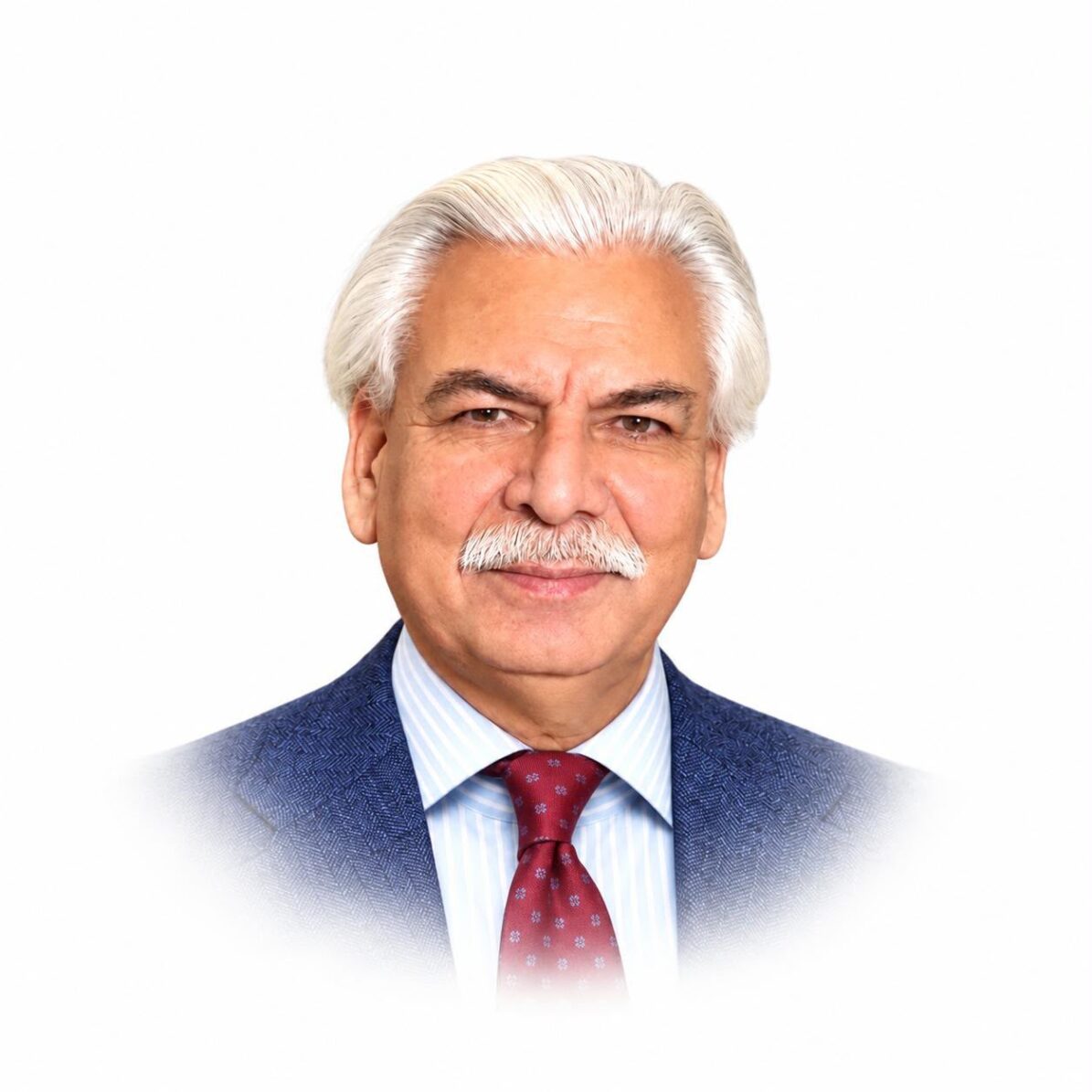
By Barrister Usman Ali, Ph.D.
Whenever a Muslim candidate wins an election in the United States, Britain, Canada or another non-Muslim-majority country, the news is greeted with pride and enthusiasm by Muslims worldwide, particularly in Pakistan. Newspapers carry celebratory headlines, social media fills with congratulatory messages, and such victories are sometimes hailed as triumphs for Muslims everywhere.
Whether it is the election of a Muslim mayor in New York, the first Muslim elected to the United States Senate, or the third consecutive mayoral victory of a British Muslim of Pakistani heritage in London, these are undoubtedly welcome developments. Yet they raise a question we rarely ask ourselves: If Muslims can win the confidence of voters in societies where they are a small minority, are we equally willing to elect a Christian, Hindu or Sikh candidate in our own Muslim-majority society?
In November 2025, New York City made history by electing 34-year-old Zohran Mamdani as its first Muslim mayor. He secured approximately 1.11 million votes, representing 50.8 percent of the total. Estimates of the city’s Muslim population vary, with some placing it as high as 12 percent. Nevertheless, Muslims remain a minority, and Mamdani’s victory would have been impossible without support from voters of diverse religious, ethnic and cultural backgrounds. His campaign focused on everyday concerns, including the cost of living, affordable housing and public transportation.
Another historic development came on November 3, 2026, when Democrat Dr. Abdul El-Sayed defeated Republican Mike Rogers in Michigan to become the first Muslim elected to the United States Senate. In Britain, Sadiq Khan, a politician of Pakistani heritage, became London’s first Muslim mayor in 2016 and secured re-election in 2021 and 2024. Muslim politicians also serve in the parliaments of Britain and Canada, representing different political parties.
This does not mean Western democracies are free from religious prejudice or racial discrimination. Minority communities continue to encounter hostility and unequal treatment. Nevertheless, these societies offer opportunities for candidates from minority backgrounds to attain high political office. Voters can look beyond religious identity and consider political affiliation, policies, leadership and the issues affecting their daily lives.
Against this backdrop, it is worth examining Pakistan’s own democratic practices.
According to the 2023 census, Muslims constitute 96.35 percent of Pakistan’s population, while non-Muslims account for 3.65 percent. The National Assembly reserves ten seats for non-Muslims, providing an important constitutional mechanism for representation. But the more revealing question concerns general constituencies, where all eligible voters elect their representatives directly. How often do our major political parties nominate non-Muslim candidates for these seats, and how seriously do they support their campaigns?
Pakistan has encouraging examples of its own. Dr. Mahesh Kumar Malani of the Pakistan Peoples Party won a general seat in the Sindh Assembly in 2013. In 2018, he became the first non-Muslim to win a National Assembly general seat since the restoration of the joint electorate system in 2002. He was re-elected from NA-215, Tharparkar, in 2024. His success demonstrates that Pakistani voters, too, can elect representatives across religious lines.
But why are such examples so uncommon? Are our major political parties prepared to nominate and actively support qualified Christian, Hindu or Sikh candidates in Lahore, Karachi, Peshawar, Islamabad or other major cities? Would voters judge them by their competence and public service rather than their religious identity?
The limited representation of religious minorities cannot, of course, be attributed solely to intolerance. Demographic realities, campaign financing, local social conditions and political priorities all influence electoral outcomes. Political parties, however, have a responsibility to expand opportunities. If qualified non-Muslims are rarely nominated for general seats, voters have little opportunity to elect them. Reserved seats remain important, but they should complement, rather than replace, participation in mainstream electoral politics.
Pakistan’s history also offers reminders of the principles of equal citizenship. In his historic address to the Constituent Assembly on August 11, 1947, Muhammad Ali Jinnah emphasised religious freedom and equality of citizenship. Jogendra Nath Mandal, a Hindu political leader, served as Minister for Law and Labour in Pakistan’s first federal cabinet. Although he left Pakistan in 1950 amid growing political and communal tensions, his appointment remains a reminder of the contribution non-Muslims made to the country’s early political and constitutional development.
Our religious and moral traditions likewise emphasise justice, tolerance and respect for the rights of others. Disagreeing with a candidate’s religious beliefs is one thing; dismissing their integrity, competence or record of public service solely because of their faith is another. Pakistan’s Constitution also allows non-Muslims to contest general seats in the National and Provincial Assemblies, notwithstanding the religious qualifications prescribed for certain higher offices, including the presidency and premiership.
The strength of democracy lies not merely in conducting elections or establishing majority rule, but also in ensuring meaningful political participation for every citizen. Voting for a non-Muslim candidate does not imply endorsement of that person’s religious beliefs. It reflects confidence in their ability, character and suitability for public office. Just as a non-Muslim voter in a Western democracy does not compromise their faith by supporting a Muslim candidate, a Muslim voter in Pakistan does not compromise their religious identity by electing a qualified non-Muslim.
We should certainly celebrate the achievements of Zohran Mamdani, Abdul El-Sayed and Sadiq Khan. But these victories should inspire more than religious pride. They invite us to reflect on whether our own political institutions offer the same openness and opportunities that we admire elsewhere.
This is not an argument against any religion or society. It is an invitation to examine our democratic attitudes and strengthen the inclusive traditions already present in Pakistan. When the election of a Christian, Hindu or Sikh candidate to a general seat is no longer treated as an extraordinary event, but as an ordinary exercise of democratic choice, it will mark meaningful progress in our political culture.
We celebrate the success of Muslim candidates in non-Muslim societies as a victory for democracy. The question is simple: Are we prepared to extend to every citizen of our own society the same respect, equal opportunity and democratic tolerance that we so readily welcome when others extend them to us?
Leave a Reply