

TIMES REPORT
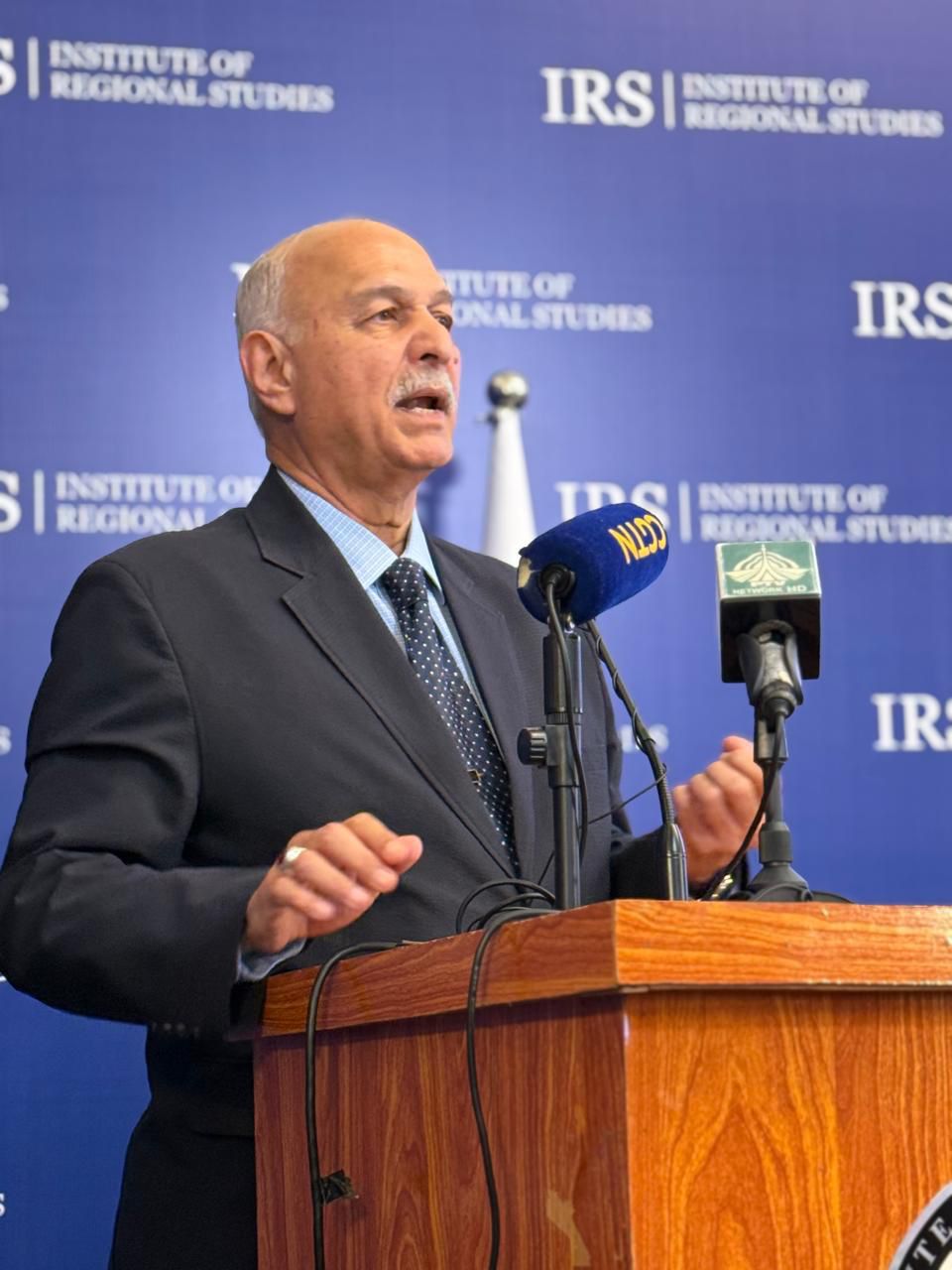
ISLAMABAD: A Joint Seminar, “SCO at 25: The Shanghai Spirit and a New Journey with Islamabad,” was held, bringing together federal ministers, senators, ambassadors, academics, think-tanks and media representatives, focusing on the organization’s twenty-five-year evolution, the tenets of the Shanghai Spirit, and Pakistan’s assumption of the SCO chairmanship. The Seminar was organized by the China Program of the Institute of Regional Studies (IRS) and the China Media Group (CMG).
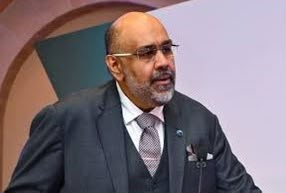
Mr. Qaiser Ahmed Sheikh, Federal Minister and Chairman of the Board of Investment, graced the occasion as Chief Guest. Senator Mushahid Hussain Sayed, Chairman of the Pakistan-China Institute, delivered the keynote address, and Ms. Zhuang Xinyan, Counselor at the Embassy of the People’s Republic of China, delivered special remarks. Ambassador Jauhar Saleem, President IRS, delivered welcoming remarks and addressed the gathering. The Seminar was moderated by Ms. Nabila Jaffer, Senior Research Analyst and Head of the China Program, IRS.
In his welcome remarks, Ambassador Jauhar Saleem said twenty-five was “a good age to be, not too young, with a lot of energy and dynamism”. He said, the SCO spans 36 million square kilometres and 3.4 billion people, it had come that far, he said, “without a treaty of alliance, a standing army, or a single dominant vote”. He said that I have spent my working life “in rooms where such formulations are drafted”, and most did not survive, “but this one has, and not only has it survived, it has prospered”, because the Shanghai Spirit does not ask member states to resemble one another. Amid the wars in Ukraine and West Asia and last year’s India-Pakistan conflict, the SCO could be “a factor of stability, a factor for peace”, he added.
Mr. Qaiser Ahmed Sheikh said the SCO had begun as a confidence-building measure and now covered security, business, the economy and people-to-people contact, and comprises 25 per cent of its economy. He said all this became possible due to the Chinese way of consensus building. With Afghanistan, India and Pakistan all members, he said, the platform gave the region an opportunity to sit together and find resolutions. Recalling some fifty to sixty visits to China since 1972, he pointed to its early emphasis on education and the lifting of 800 million out of poverty. “How they did it, we have to study that,” he said, noting that Pakistan spends more on defence than education and urged that consensus-building be taught in educational institutions in specific and the country as a whole.
Senator Mushahid Hussain Sayed said the summit came at a time of “transformation, turbulence and transition”, marked by the unravelling of a Western-led order that “was neither based on any rules, neither did it promote any order”. After referring to Iqbal’s prophecy of the rise of Asia in his poetry, the SCO, he said, gave the Global South “a strategic option” as opposed to alliances based on militarism such as the Quad or AUKUS, let landlocked Central Asian states become “land-linked” through Gwadar, and stood as “the institutional voice of the Asian century”.
Ms. Zhuang Xinyan, counselor at China Embassy in Islamabad, said China as a founding member had “forged a new path of regional cooperation”, with seven cooperation platforms generating over 160 projects. Calling the chairmanship “a major event for the SCO family and a significant milestone in Pakistan’s diplomacy”, she proposed upholding the Shanghai Spirit, sustaining security cooperation against the “three evil forces”, pursuing development under a high-quality Belt and Road Initiative, and upholding true multilateralism. China, she said, stood ready as an iron brother to fully support Pakistan’s chairmanship.
Ambassador Naela Chohan called the Shanghai Spirit “a beautiful spirit of friendship” and traced the SCO’s growth from a border security mechanism into a Eurasian platform of ten members. Recalling Pakistan’s path from observer in 2005 to full member in 2017, she said integrating CPEC with SCO transit routes would make “the new journey with Islamabad positive, fruitful and progressive”. Similarly, Dr. Muhammad Khan said the organization “has never imposed itself” as a military body, and that from its forum a multipolar world was being envisioned, unilateral sanctions rejected as “collective punishment” and UN reform sought. The chairmanship, he added, would be “a challenging task, a daunting task”.
Dr. Shafqat Munir Ahmad from SDPI said the founding agenda of confidence and institution building had served its purpose, and that “now is the time for delivery”. He urged Pakistan to use the chairmanship to advance separate technical tracks on counter-terrorism and on water and climate, and to widen security to cover energy, food, water and climate. Adding to this, Mr. Muhammad Ramzan Ali from PTV said the decline of the West had proved the worth of regional groupings such as the SCO and BRICS, which would “open some new vistas of connectivity, cooperation” and represented a win-win situation for the Global South. In this changing transformation, he said, countries such as Pakistan, Turkey and Iran had massive opportunities.
Dr. Usman Chohan from IRS, in concluding remarks, said the world now offered a choice between competing logics of security, and endorsed the Shanghai Spirit “as the human spirit”. Mr. Tasawar Zaman Babar of CGTN Urdu presented the vote of thanks.
Leave a Reply