

Converting Global Trust into Economic Growth
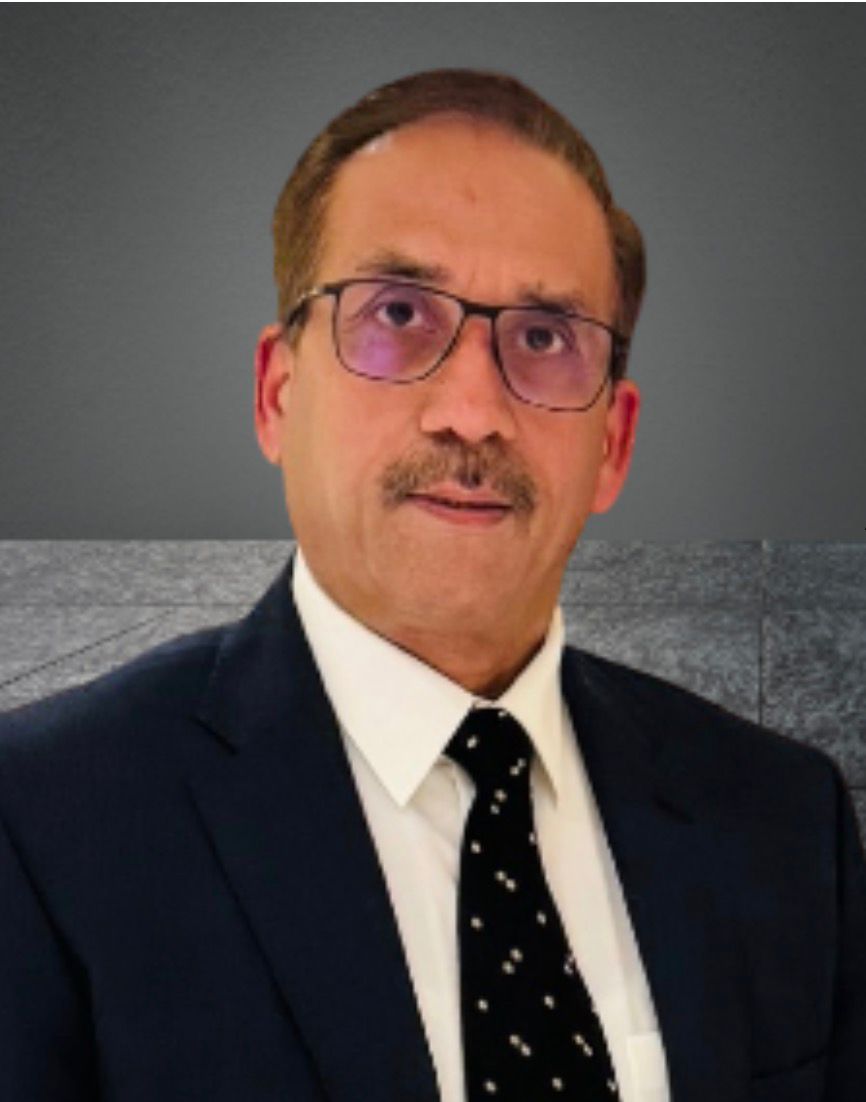
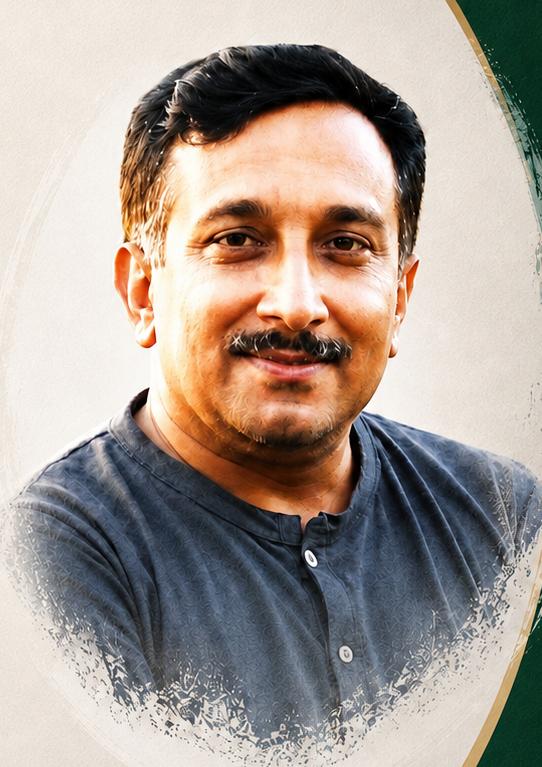
Muhammad Anwar
For decades, Pakistan’s geographic location was often described as a strategic burden, a frontline state perpetually caught in the crossfire of Great Power rivalries. However, as we navigate the second quarter of 2026, a profound shift is occurring. The narrative of a nation defined solely by its security challenges is being replaced by that of a “Strategic Anchor.” Today, Pakistan is attempting a masterclass in modern statecraft: converting its hard-earned “Diplomatic Utility” into long-term “Economic Stability.”
The foundation of this “Diplomatic Dividend” lies in Pakistan’s unique ability to maintain trust across traditionally antagonistic corridors. In a world fractured by “with-us-or-against-us” mentalities, Islamabad has emerged as a rare Strategic Bridge. As of April 2026, Pakistan sits at a unique diplomatic junction. The leadership has managed to maintain a “trustworthy” status with the United States and the EU while simultaneously deepening its “Iron-Clad” bond with China. Most notably, the “Islamabad Peace Talks” held on April 11–12, 2026, positioned Pakistan as the primary channel for de-escalation between Washington and Tehran.
The momentum is only growing. In a development that has sent ripples through global capitals, President Trump has signaled a potential visit to Islamabad for a historic Second Round of Dialogue with Iran. This “Shuttle Diplomacy” has turned the federal capital into a global fortress; as of this week, security arrangements in Islamabad are at a peak alert, with high-ranking delegates and advanced security teams already arriving. This visit represents a definitive signal that Islamabad is now the indispensable capital where global rivals find common ground.
While high-stakes politics dominate the headlines, a secondary engine of growth is warming up. The High-Level EU–Pakistan Business Forum (EU-PKBF) is scheduled for April 28–29, 2026, in Islamabad. This is not a mere diplomatic courtesy; it is a massive B2B engine featuring institutional investors and policymakers from across the European continent. With total bilateral trade already hitting approximately €12 billion in 2025, the forum aims to secure the future of the GSP Plus scheme. This vital pillar allows 86% of Pakistan’s exports to enter the EU duty-free, a “peace dividend” that contributed to export earnings of $5.436 billion in just the first seven months of this fiscal year. By showcasing “Green Competitiveness,” Pakistan is moving from being a recipient of aid to a reliable partner in the EU’s Global Gateway strategy.
The recent conflict in the Gulf has further accelerated this economic pivot. The UAE, historically the region’s safe haven, suffered significant shocks during the 40-day conflict earlier this year. While the UAE remains a powerhouse, the exodus of foreign investors and the disruption of the Strait of Hormuz, which saw maritime insurance premiums spike, have taught the global market a lesson in geographic risk. Pakistan stands as the natural beneficiary of this “de-risking” strategy. We are witnessing a Redirection of Capital where Gulf-based investors are looking for “vulnerability-free” assets. In April 2026, the logic is simple: If the Gulf is the region’s capital, Pakistan must be its Food Basket and Logistics Hub. The recent $3 billion fresh deposit from Saudi Arabia and the extension of a $5 billion facility through 2028 are strategic anchors. Coupled with the joint venture between DP World and Pakistan’s National Logistics Cell (NLC), the infrastructure for this “Bridge Economy” is already being built.
While the political doors are open, the commercial competitive pressure is fierce. The IMF’s World Economic Outlook (April 2026) projects Pakistan’s GDP to grow by 3.6%, with inflation finally cooling to a manageable 7.2%. However, with the India-EU Free Trade Agreement finalized in early 2026, our neighbors have gained a massive tariff edge. The global market in 2026 demands Compliance. Whether it is the EU’s strict ESG standards or the shift from cotton to man-made fibers (which now account for 74% of global demand), Pakistan must upgrade its industrial DNA. This is where initiatives like Digital Compliance Gateways become vital. By providing data-driven transparency, we allow our agricultural exporters and textile SMEs to prove their sustainability to skeptical international buyers.
Perhaps the most human indicator of this success is the power of our travel document. For the first time in years, the Henley Passport Index 2026 shows a sustained positive trend. In February, the Pakistani passport rose to 97th place, marking a six-place jump from its 2025 ranking of 103rd. Pakistani citizens now enjoy visa-free or visa-on-arrival access to 32 destinations, including Qatar, Maldives, and recently reinstated access to The Gambia. This is a “lagging indicator”: as the world trusts our state to mediate wars and host Presidents, it begins to trust our people to cross borders.
Beyond the cold numbers of the IMF, this pivot is about the collective resilience of our people. As a nation of 245 million, our greatest export is our endurance and adaptability. The “Diplomatic Dividend” gives us the breathing room to fix our internal systems, to move from an “informal” economy to a “digitally compliant” one. When a foreign investor looks at Pakistan today, they don’t just see a nuclear state; they see a market of millions of determined individuals ready to engage with the modern world.
The path to prosperity remains paved with risks. Energy constraints remain a bottleneck for industrial growth, with load shedding still impacting production cycles. Diplomacy can host the U.S. President, but we must fix our domestic power grid to keep the factories running. To convert this “Diplomatic Utility” into “Permanent Stability,” domestic reforms must be as relentless as our foreign policy.
Pakistan’s journey from 2024 to 2026 has been one of survival and strategic repositioning. We have moved from a nation seeking “bailouts” to a nation offering “solutions.” Whether it is mediating a Middle East crisis, hosting a world leader for peace talks, or providing a digital workforce for Europe, Pakistan has proven its value. The Diplomatic Dividend is now on the table. The EU Business Forum at the end of this month is our stage. The world is listening, the doors are open, and the Pivot to Prosperity has officially begun. It is time for Pakistan to stop being the world’s “problem” and start being the world’s “partner.”
——————
Muhammad Anwar is a development professional and CEO of Freedom Gate Prosperity with over three decades of experience in governance and civic engagement. He is a regular writer on public policy and social issues, and a social entrepreneur committed to peace, democratic values, and sustainable development in Pakistan.
Leave a Reply