

By Junaid Qaiser
The recent wave of high-level discussions between Pakistan and Saudi Arabia signals a change that’s much more important than just routine diplomatic talks. When Prime Minister Shehbaz Sharif welcomed Saudi Chief of General Staff General Fayyadh bin Hameed Al-Rowaili in Islamabad, it became clear that both nations are laying the groundwork for a security partnership that extends well beyond a typical defence agreement.
The signing of the Strategic Mutual Defence Agreement (SMDA) in Riyadh earlier this year has already shifted the course of their relationship. But what’s unfolding now is the transformation of that agreement into a broader strategic vision—one focused on joint readiness, operational coordination, and shared deterrence in a region that’s constantly evolving.
A Convergence Shaped by a Volatile Region The Middle East is stepping into another unpredictable phase, with conflicts expanding and new players complicating longstanding rivalries. In this climate, neither Islamabad nor Riyadh can afford to be complacent. For Saudi Arabia, external threats—from missile strikes to proxy wars—are a persistent reality. Meanwhile, Pakistan continues to grapple with a challenging western border and a rising threat of terrorism. This context is what gives the SMDA its true significance. The clause stating that an attack on one nation will be seen as an attack on both is more than just a symbolic gesture. It shows a deliberate understanding that security today is interconnected, and that neither country can tackle emerging threats alone.
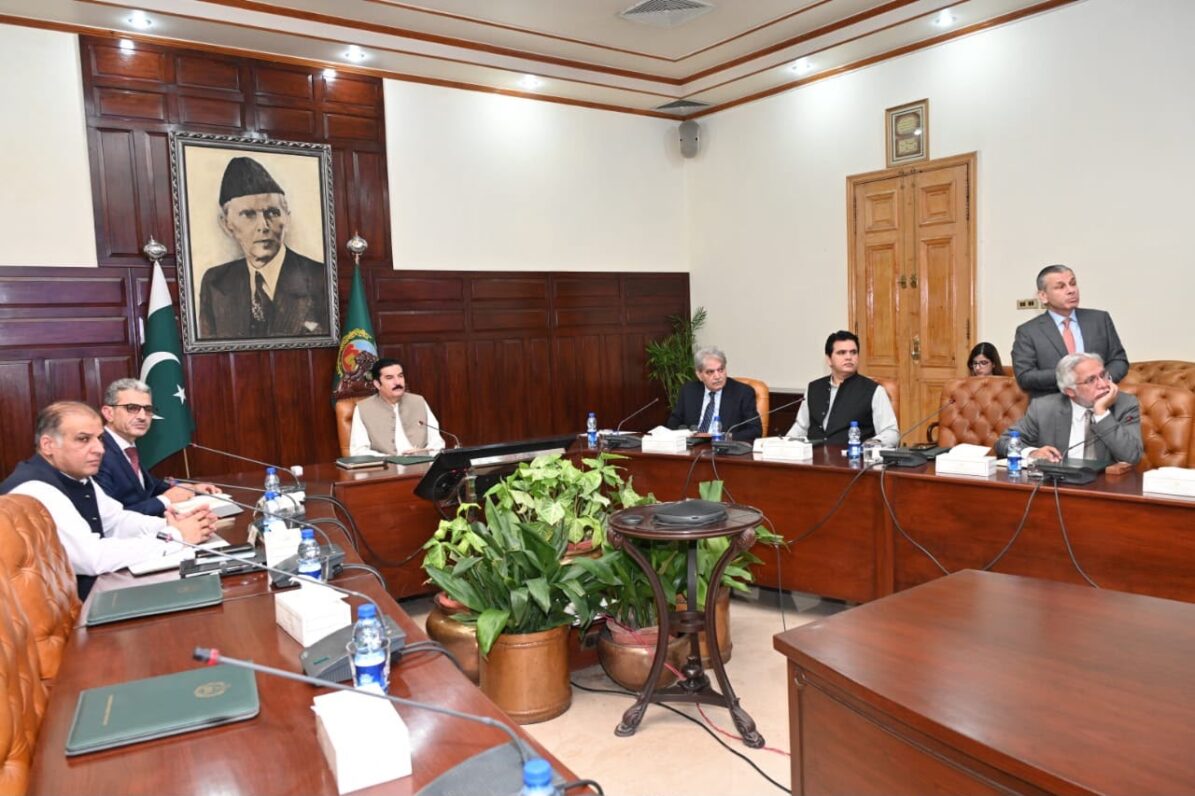
Pakistan and Saudi Arabia have always described their relationship in warm, almost familial terms. However, what’s happening now marks a shift from mere sentiment to a more structured approach. During his meeting with General Al-Rowaili, Prime Minister Shehbaz Sharif highlighted the importance of expanding joint training, military exercises, and sharing professional expertise—essential steps to transform a political agreement into real operational capability.
Field Marshal Asim Munir’s discussions with the Saudi Chief of General Staff really highlighted this direction. The act of laying a wreath at Yadgar-e-Shuhada was significant, but the real substance lay in conversations about joint deterrence, interoperability, and modernizing defense strategies. The general’s insistence that Riyadh aims to elevate their relationship to “new heights” shouldn’t be brushed off as mere diplomatic niceties. Saudi Arabia is clearly rethinking its defense framework, and Pakistan stands out as one of its few reliable allies, bringing valuable experience, manpower, and operational insights to the table.
General Al-Rowaili’s discussions at GHQ and with the Joint Chiefs reflected a similar seriousness from Riyadh. The Saudi leadership’s consistent desire to “elevate the partnership to new heights” indicates not just ambition but a clear intent. This is about enhancing capacity, ensuring interoperability, and fostering a shared strategic vision.
There is also a broader context emerging. With several Muslim-majority countries reportedly interested in similar partnerships, the SMDA could evolve into a wider collective framework—something Pakistan has long championed, yet the Islamic world has rarely managed to formalize.
While no one is labeling it an “Eastern NATO” just yet, the concept of a coordinated security bloc within the Muslim world is starting to feel more tangible. The regional instability—from Gaza to the Gulf—is pushing countries to seek reliable partners. It seems that Pakistan and Saudi Arabia are ready to lead that discussion.
Pakistan and Saudi Arabia Strengthen More Than Defence







Leave a Reply