

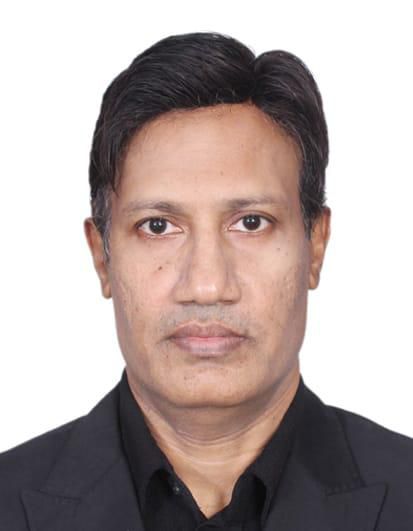
By: Junaid Qaiser
Every year on May 3rd, we come together to observe World Press Freedom Day—a day dedicated to celebrating the ideals of a free press and honoring those brave individuals who risk everything to bring us the truth. However, in 2026, this day feels less like a celebration and more like a moment of reckoning. The pressing question has shifted from whether the press is free to whether it is truly living up to its duty to inform rather than provoke.
When the United Nations first proclaimed this day in 1993, the mission was clear: to defend freedom of expression and acknowledge journalism as a cornerstone of democracy. That principle remains intact. What has shifted, however, is the landscape in which journalism now operates. Today’s media environment is not only plagued by censorship and violence but is also warped by sensationalism, corporate interests, and an unrelenting race for attention.
According to UNESCO, global freedom of expression has taken a hit, dropping by 10% since 2012. That’s a pretty alarming statistic on its own. But numbers only tell part of the story. The International Federation of Journalists has reported that 128 journalists lost their lives in 2025, with even more already gone this year. In conflict zones like Ukraine, Palestine, Lebanon, and Sudan, simply being labeled as “press” no longer guarantees safety—it often puts you in harm’s way.
However, the crisis in journalism isn’t just happening in war-torn areas or under oppressive regimes. It’s also playing out in newsrooms, studios, and digital platforms all around the globe. The influence of corporate ownership, advertising pressures, ratings, and algorithm-driven visibility has changed what news gets prioritized. Too frequently, it’s not about what informs the public, but what stirs up emotions. Outrage spreads faster than the truth, and sensational headlines often overshadow thoughtful reporting. In this kind of environment, the distinction between genuine journalism and mere amplification starts to fade.
This is where we need to rethink the conversation about press freedom. A free press is absolutely essential, but just having freedom isn’t enough. Without a sense of responsibility, it can easily turn into mere noise or, even worse, a weapon for division. The rise of partisan framing, selective reporting, and emotionally charged stories has really chipped away at public trust. When people start to view the media as biased or driven by an agenda, the fallout goes beyond just credibility—it undermines the very democratic principles that journalism is supposed to uphold.
The challenge is made even tougher by technology. Surveillance has gotten more advanced, with journalists now facing phishing attacks, digital tracking, and even state-sponsored spyware. At the same time, artificial intelligence is shaking up the information landscape, making it easier for large-scale disinformation, deepfakes, and unaccountable content replication to thrive. These aren’t just theoretical threats—they have a real impact on how truth is created, shared, and understood.
As Anthony Bellanger has highlighted, every attack on a journalist represents an attack on the public’s right to know. But there’s another important aspect to this: every distortion of the truth—whether it’s through bias, hidden agendas, exaggeration, or incitement—also harms the public. Journalism doesn’t just lose its value when it’s silenced; it also diminishes in worth when it fails to uphold its standards.
In Pakistan, the government’s commitment to press freedom is quite encouraging. President Asif Ali Zardari has urged the public to reject misinformation and support reliable journalism, while Prime Minister Shehbaz Sharif has stressed the need for a supportive media environment. These words are important, but they need to be followed by consistent actions—not just in protecting journalists but also in upholding ethical standards in the industry.
It’s important to remember that the responsibility doesn’t lie solely with the government. Media organizations also need to take a hard look at their role in shaping public conversation. Chasing ratings, clicks, and influence shouldn’t come at the cost of accuracy and fairness. A genuinely free press isn’t one that can say anything without repercussions; it’s one that commits to truth, context, and balance—even when that approach might be less lucrative or popular.
World Press Freedom Day serves as a powerful reminder of two vital truths that are deeply connected. First, we must safeguard journalism from threats like violence, censorship, and surveillance. Second, journalism itself needs to uphold its integrity, steering clear of sensationalism, bias, and manipulation. These aren’t opposing goals; they go hand in hand.
A society suffers when its press is silenced, but it also struggles with a press that acts recklessly. In a time when we’re bombarded with information and divisions are growing deeper, journalism should aim to clarify facts rather than stir up emotions. That’s the standard we need to uphold—and it’s the responsibility that should shape the future of a genuinely free press.









Leave a Reply