

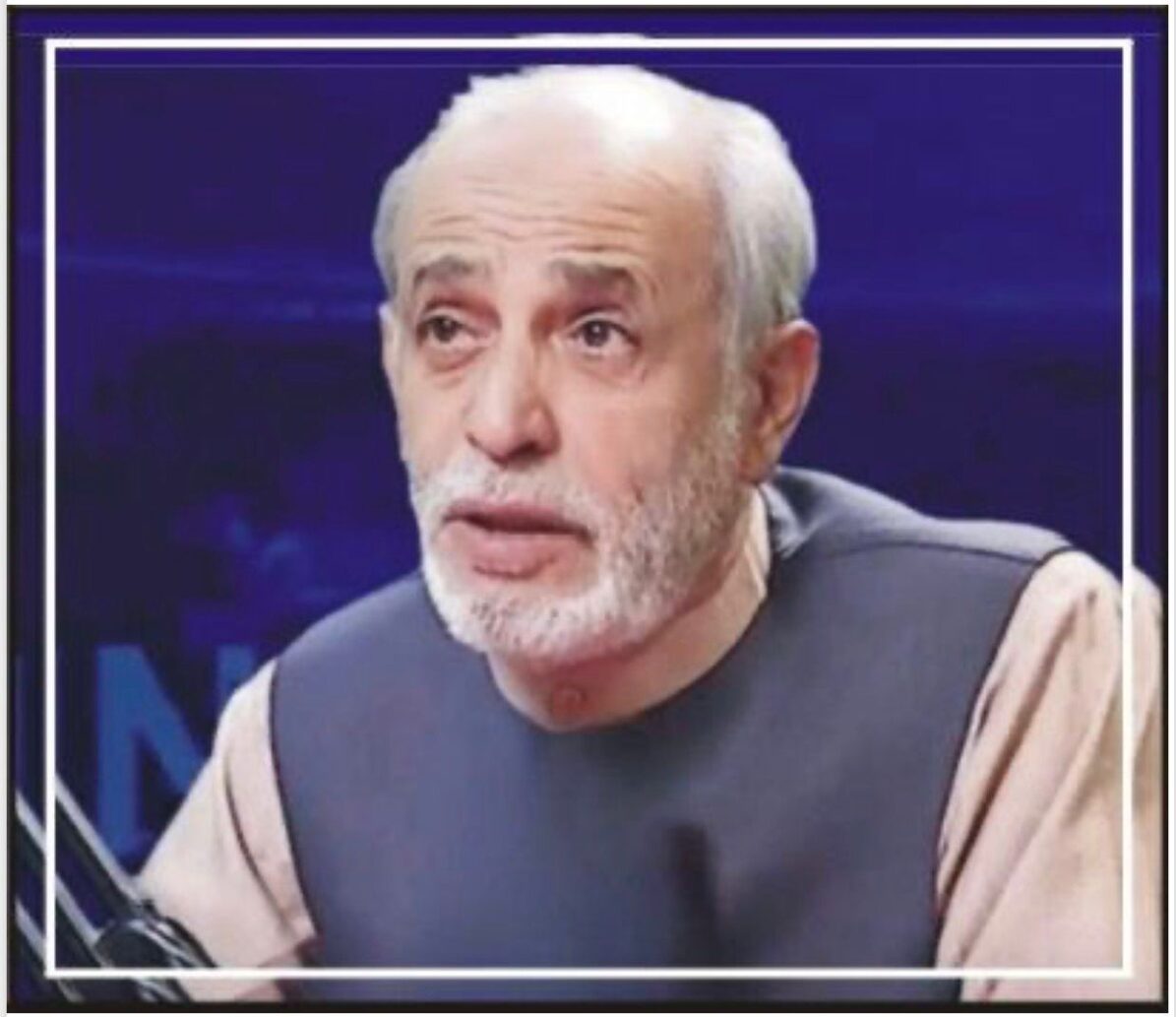
Shamim shahid
PESHAWAR:
Amidst continuing tensions and hostilities between Islamabad and Kabul, a major breakthrough has been reported from Arandu, a key historical corridor along the Pakistan-Afghanistan border in Chitral district.
Arandu connects Khyber Pakhtunkhwa’s Chitral, Upper Dir, and Lower Dir districts with Afghanistan’s Kunar and Nuristan provinces. According to reports from Chitral, tribal elders from both sides recently convened a traditional jirga and, after detailed discussions on issues linked to recent clashes, agreed to a local ceasefire.
While the agreement has yet to be formally endorsed by authorities in Islamabad and Kabul, it is being viewed as a significant confidence-building measure.
Sources said prominent elders from Arandu on the Pakistani side and from Nari district in Kunar, as well as Barg-e-Matal and Kamdesh in Nuristan, held extensive consultations. During the meeting, participants described continued hostilities as harmful to the interests of both countries and stressed the need for peaceful4 resolution of disputes.
The elders reportedly prioritised an immediate ceasefire, with mediation and resolution of outstanding issues to follow.
Under the understanding, it was agreed that Afghan authorities would not support or facilitate militant activity in the bordering districts, nor allow any actions that could be used to target Pakistani territory. It was also decided that in case of firing incidents originating from the area, access routes could be temporarily closed as a precautionary measure.
The agreement further includes provisions for the return of displaced civilians on both sides. Residents from Afghan areas, including Nari and surrounding localities, are expected to return to their homes after previous clashes had forced them to relocate. Similarly, residents of Arandu on the Pakistani side are also expected to return.
The accord also states that the connecting road will remain open for pedestrians and travellers from both sides under normal conditions.
Observers note that the development underscores the role of traditional jirgas in conflict resolution along the border, where long-standing disputes have often been linked to historical, political, and security issues, including the unresolved status of the Durand Line and concerns over cross-border militancy.
They add that while formal diplomatic challenges between Pakistan and Afghanistan persist, such local-level initiatives are widely seen as important steps toward reducing tensions and restoring stability in border regions.






Leave a Reply