

There are moments in global politics when silence becomes complicity, when hesitation allows tensions to harden into conflict. The recent strain between Iran and the United States was one such moment. The air was heavy with possibility, not of peace, but of escalation. And in that charged atmosphere, Shehbaz Sharif made a choice that many leaders often avoid; he chose engagement over distance.
Pakistan is not new to complexity. It exists at the intersection of competing interests, historical ties, and strategic dependencies. To the west lies Iran, not just a neighbor but a country bound through geography, culture, and shared regional concerns. Across the global stage stands the United States, a power with which Pakistan’s relationship has been defined by both cooperation and contradiction. To navigate between the two is not diplomacy in its simplest form; it is a test of restraint, timing, and intent.
Yet, in the face of this test, Shehbaz Sharif did not retreat into safe neutrality. Instead, he redefined what neutrality could look like. Not passive. Not silent. But active, deliberate, and purposeful.
He spoke when it was easier to remain quiet. He urged restraint when rhetoric elsewhere was intensifying. His message was consistent: avoid escalation, prioritize dialogue, and recognize the cost of miscalculation. These were not extraordinary demands, yet in a climate driven by reaction and power projection, they carried weight.
What distinguished his approach was not volume, but direction. There were no grandstanding declarations, no attempts to dominate the narrative. Instead, there was a quiet persistence, a belief that diplomacy, even in its most understated form, still holds value in a world increasingly impatient with it.
Behind the scenes, Pakistan maintained communication with both sides, keeping doors open that might otherwise have closed. Offering Islamabad as a space for dialogue was not merely symbolic; it was strategic. It signaled willingness without imposition, presence without pressure. In a conflict defined by distrust, even the act of creating a platform for conversation becomes significant.
Critics may argue that Pakistan’s influence remains limited, that such efforts do not reshape the core dynamics between Iran and the United States. That may be true. But diplomacy is not always about transforming outcomes overnight. Sometimes, it is about preventing the worst from unfolding. Occasionally, it is about slowing the descent.
And that is where Shehbaz Sharif’s role finds its relevance.
He did not promise resolution. He did not claim control. But he ensured that Pakistan did not become irrelevant in a moment that demanded engagement. He chose to position the country not as a bystander, but as a participant in the pursuit of stability.
This approach also required discipline. Any visible tilt toward one side could have undermined credibility with the other. Any miscalculation could have turned opportunity into liability. Yet, the balance was maintained. Carefully. Intentionally.
In many ways, this is what modern diplomacy demands not dominance, but calibration. Not noise, but clarity. And above all, the ability to recognise that influence is often exercised in subtle ways, away from headlines, within conversations that may never be fully visible.
As tensions continue to evolve, the long-term impact of these efforts remains uncertain. History does not always reward quiet diplomacy with immediate recognition. However, the absence of dialogue is always palpable when conflict takes the place of conversation.
In choosing dialogue over detachment and engagement over indifference, Shehbaz Sharif offered a reminder that leadership in times of crisis is not defined by how loudly one speaks but by whether one speaks when it matters.
Because when the world moves closer to the edge, even a measured voice calling for calm can make the difference between escalation and restraint.
And in that moment, Pakistan chose to be that voice.
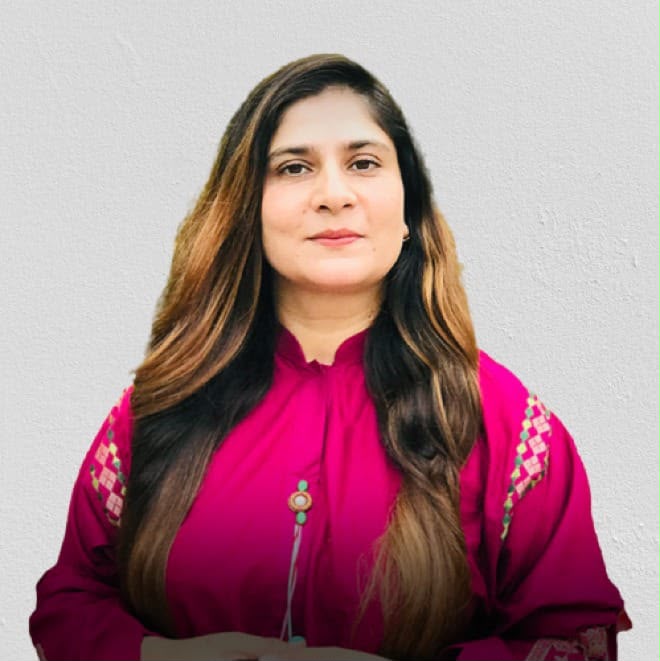
Fizza Qaisar is a journalist who writes about social issues and human struggles.




Leave a Reply