


By: Muhammad Anwar
In the complicated world of international politics, there are moments when the fate of the global economy and world peace rests on a thin line. In April 2026, the world saw such a moment. As the long-running tension between Iran and Israel moved toward a direct war, many feared a conflict that would pull in the United States and other global powers. The international community seemed helpless. However, a surprising and clever diplomatic effort started in Islamabad.
For many years, Pakistan’s location has been described as both a challenge and a blessing. Yet, in the spring of 2026, Pakistan’s civil and military leaders turned this location into a masterclass of diplomacy. While some critics at home called these efforts a mere delivery service for Western messages, a fair look at the results and the global praise shows a much deeper success. Pakistan did not just deliver messages. It created a peace plan that saved the world from an economic disaster.
The success of the Islamabad Peace Dialogues was not an accident. It was the result of a careful and high-stakes strategy. Pakistan leveraged its unique position as a nation with strong defense ties to the West while maintaining a brotherly relationship with Iran. Unlike other mediators who often take sides, Pakistan’s leadership used two channels. They spoke the language of military strength to Washington and the language of regional friendship to Tehran. This Islamabad Model of mediation was based on the fact that a war in the Middle East was not just a foreign problem. It was a direct threat to Pakistan’s own economy. A war in the sea routes would have sent oil prices toward 200 dollars per barrel. This would have bankrupted Pakistan’s fragile economy and stopped the progress made under the Special Investment Facilitation Council. Therefore, Pakistan’s diplomacy was driven by a mix of helping the world and protecting its own national interests.
The true test of a nation’s success is found in the reactions of other world leaders. The praise that followed the April 15 ceasefire was incredible. Leading the international recognition was United Nations Secretary-General António Guterres. In a formal speech, Guterres praised Pakistan’s constructive and brave engagement. He noted that the country provided the neutral ground necessary for enemies to stop fighting. He called Pakistan’s role a gift to humanity. This moved the country from being a small regional player to a global peacemaker.
The Western response was also very strong. British Prime Minister Keir Starmer described the Islamabad negotiations as a historic turning point in modern diplomacy. He admitted that Pakistan’s quiet and effective work achieved results that public threats could not. Similarly, German Chancellor Friedrich Merz issued a statement of deep gratitude. He recognized that the peace made by Pakistan was essential to Europe’s economic security. For Berlin, Pakistan was no longer just a South Asian state but a vital protector of global trade. From the East, the recognition was even more practical. Japan’s Chief Cabinet Secretary, Minoro Kihara, called Pakistan a guardian of the global economy. Kihara pointed out that Japan’s entire industry depends on peace in the Persian Gulf. By helping the U.S. and Iran talk, Pakistan had prevented a global depression. This praise from Tokyo shows the massive economic value that Pakistan protected.
While Western nations focused on money and oil, the Muslim world looked toward Pakistan for leadership. Malaysian Prime Minister Anwar Ibrahim called the diplomacy fearless and visionary. He stated that Pakistan’s ability to speak with both Tehran and Washington demonstrated the true spirit of the Muslim world. Turkish President Recep Tayyip Erdoğan went further, calling the efforts the “Golden Chapter of Islamic Diplomacy.” He emphasized that Pakistan had acted as a big brother to the region and ensured that a war did not burn the heart of the Islamic world. Most importantly, the Gulf countries, which had the most to lose from a war, became Pakistan’s strongest supporters. Saudi Crown Prince Mohammed bin Salman and UAE President Sheik Mohamed bin Zayed Al Nahyan both admitted that Pakistan’s work was essential and sincere. Their recognition shows a change in the relationship. Pakistan is no longer seen just as a source of soldiers, but as a smart diplomatic partner.
Despite this global praise, some people in Pakistan are still skeptical. They ask what the common man gained from these meetings. The answer lies in what was prevented. In the world of crisis management, success is often invisible because it is a disaster that never happened. First, there was protection from inflation. If the war had continued, the rise in petrol prices would have driven prices in Pakistan out of control. Second, there was security. By keeping a good relationship with Iran, Pakistan avoided a two-front security challenge. A chaotic Iran would have forced Pakistan to move its army to the western border, which would have cost a lot of money. Third, Pakistan gained global respect. This respect is now being felt in meetings with the IMF and World Bank, where Pakistan is seen as a state too important to fail.
The label “courier” is a big misunderstanding of how power works. In a world of nuclear weapons and secret intelligence, a messenger is only useful if they are trusted. Washington and Tehran did not choose Islamabad solely because of its map. They chose it because Pakistan was the only one that both sides trusted to keep secrets and deliver the truth. When the President of the United States and the leader of Iran both look to Islamabad for a way out of a fight, the nation is no longer a messenger. It is a power broker. This is the respect that Pakistan has earned. It has moved from being a country people talk about to one people talk to.
The events of 2026 have redefined Pakistan’s place in the world. The praise from leaders like Starmer, Guterres, and Erdoğan is not just polite words. They are official signs that Pakistan is a mature and responsible power. The nation has changed how the world views it. It is now recognized as a necessary part of global security. Pakistan’s victory is not found in a single bank check. It is found in its new importance. By averting a global disaster, Pakistan has earned a seat at the table of the world’s important nations. The challenge now is to turn this respect into long-term wealth for the people. For now, the world owes a thank you to Pakistan for standing between the world and a global war.
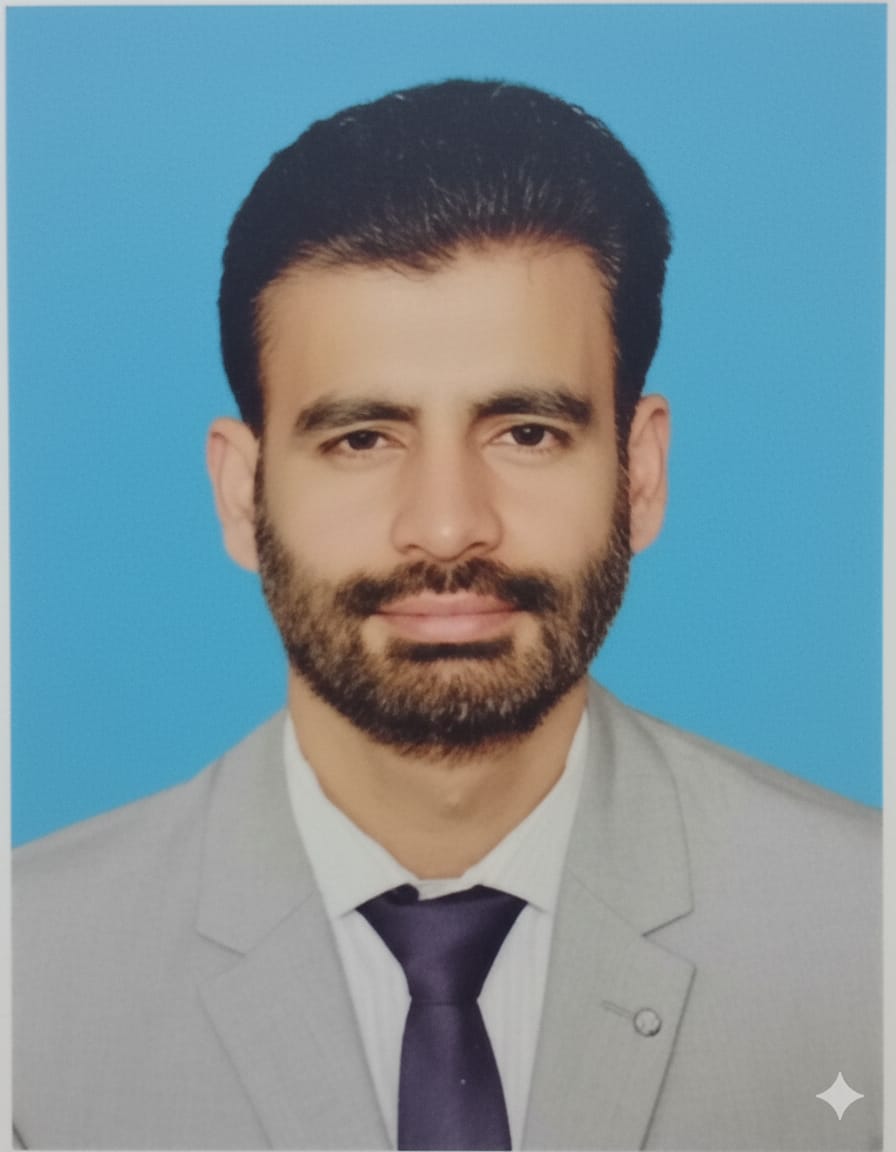
Muhammad Anwar is a development professional and CEO of Freedom Gate Prosperity with over three decades of experience in governance and civic engagement. He is a regular writer on public policy and social issues, and a social entrepreneur committed to peace, democratic values, and sustainable development in Pakistan.
Leave a Reply