

By Laiba Laraib
In a small town in Pakistan, where traditions often speak louder than laws, lived a young woman named Kanza. Like many girls around her, Kanza was taught to stay quiet, to accept decisions made for her, and to believe that her dreams were secondary. But Kanza was different—she listened, she observed, and most importantly, she questioned.
From an early age, she noticed the imbalance. Her brothers were encouraged to study, explore, and lead, while she was expected to learn household chores and prepare for marriage. Despite financial struggles, Kanza fought for her education. She walked miles to school, often facing criticism from relatives and neighbors who believed education for girls was unnecessary.
Her real battle began when she spoke up against an unjust decision in her community—a young girl being forced into early marriage. Kanza raised her voice, not just within her home but publicly. She connected with local organizations, learned about legal rights, and began spreading awareness among women in her area.
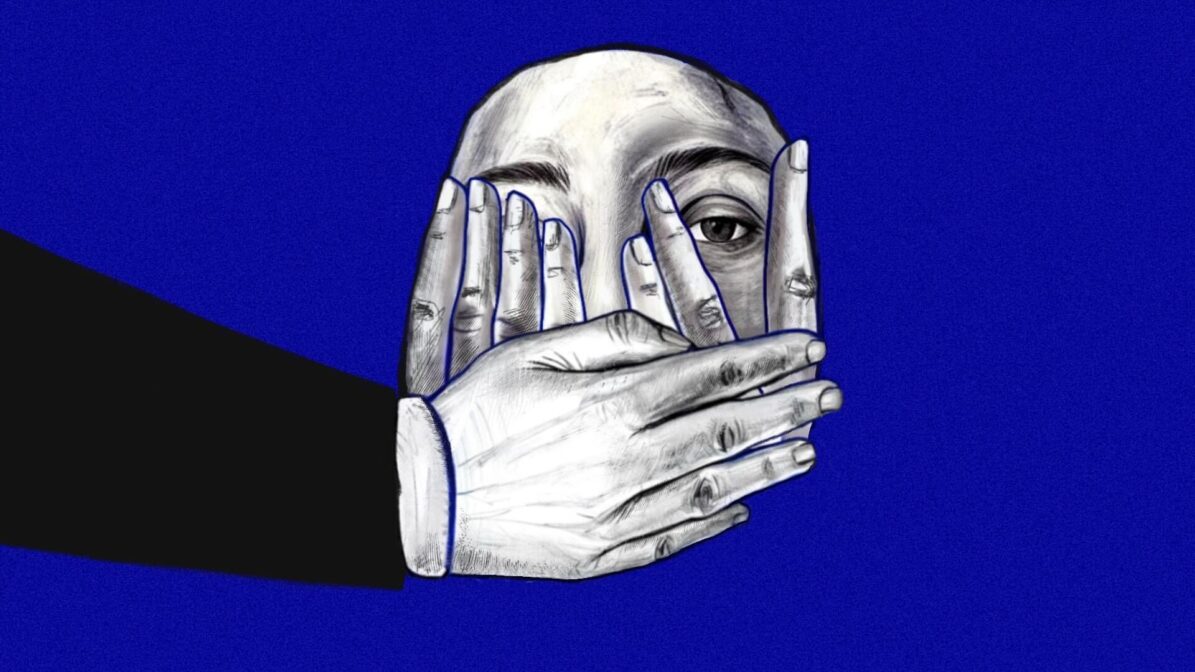
The road was not easy. She faced backlash, social pressure, and even threats. People labeled her “rebellious” and “disrespectful.” But Kanza stood firm. She understood that silence would only continue the cycle of injustice.
Over time, her persistence began to make an impact. Women started approaching her, sharing their stories and seeking guidance. With support from legal aid groups and activists, Kanza helped stop several forced marriages and encouraged girls to pursue education.
Her efforts did not go unnoticed. Local media highlighted her work, and gradually, even those who once opposed her began to respect her courage. Kanza’s journey became a symbol of resilience—a reminder that change often begins with one voice.
Today, Kanza continues her mission, not as someone who “won” a battle, but as someone who opened doors for others. Her story teaches us that women’s rights are not just a women’s issue—they are a societal responsibility. Awareness, education, and courage are the tools needed to bring real change.
In Pakistan, where many women still struggle for basic rights, stories like Kanza’s are not just inspiring—they are necessary. They remind us that progress is possible, and that every step taken toward equality matters.
Because when one woman rises, she lifts many others with her.











Leave a Reply