

STAFF REPORTER
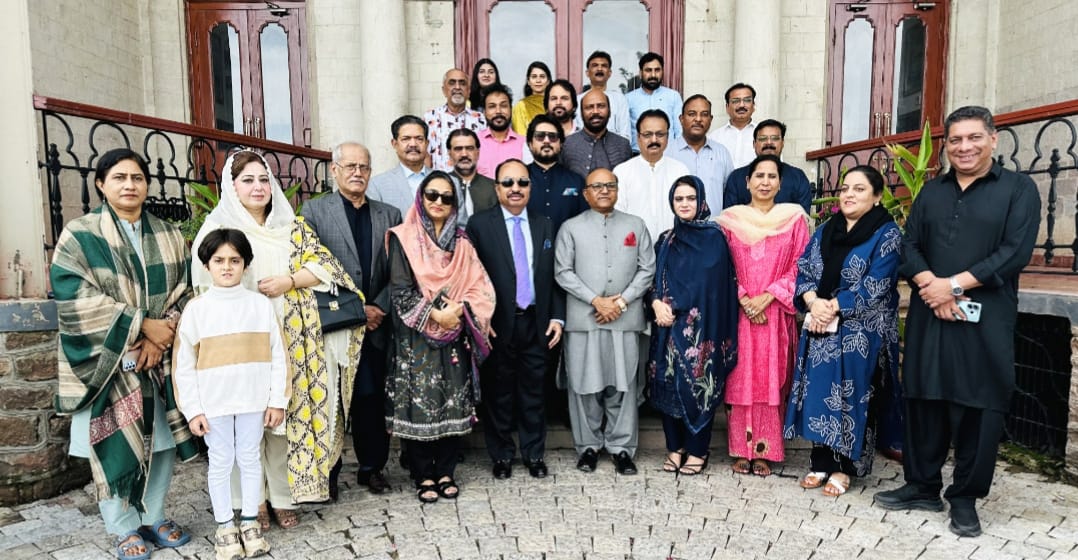
PESHAWAR : Lawmakers from the Senate of Pakistan and all four provincial assemblies have pledged to strengthen inter-provincial cooperation to advance inclusive legal reforms aimed at protecting the rights of religious minorities and other marginalized communities through effective parliamentary engagement.
The commitment was made at the conclusion of a two-day Legislative Workshop on Advancing Inclusive Legal Reforms through Parliamentarians’ Engagement held in Murree. The event brought together parliamentarians from the Provincial Assemblies of Punjab, Sindh, Khyber Pakhtunkhwa and Balochistan, along with members of the Senate of Pakistan.
Among the prominent participants were the Deputy Speaker of the Sindh Assembly, the Sindh Minister for Women Development, the Special Assistant to the Chief Minister on Human Rights, the Special Assistant to the Chief Minister on Minorities Affairs, the General Secretary of the Sindh Women Parliamentary Caucus, the Parliamentary Secretary of the KP Assembly, the Focal Person to the Chief Minister on Minority Affairs, the Parliamentary Secretary of Balochistan, women senators, members of provincial assemblies and representatives of provincial Minorities Caucuses.
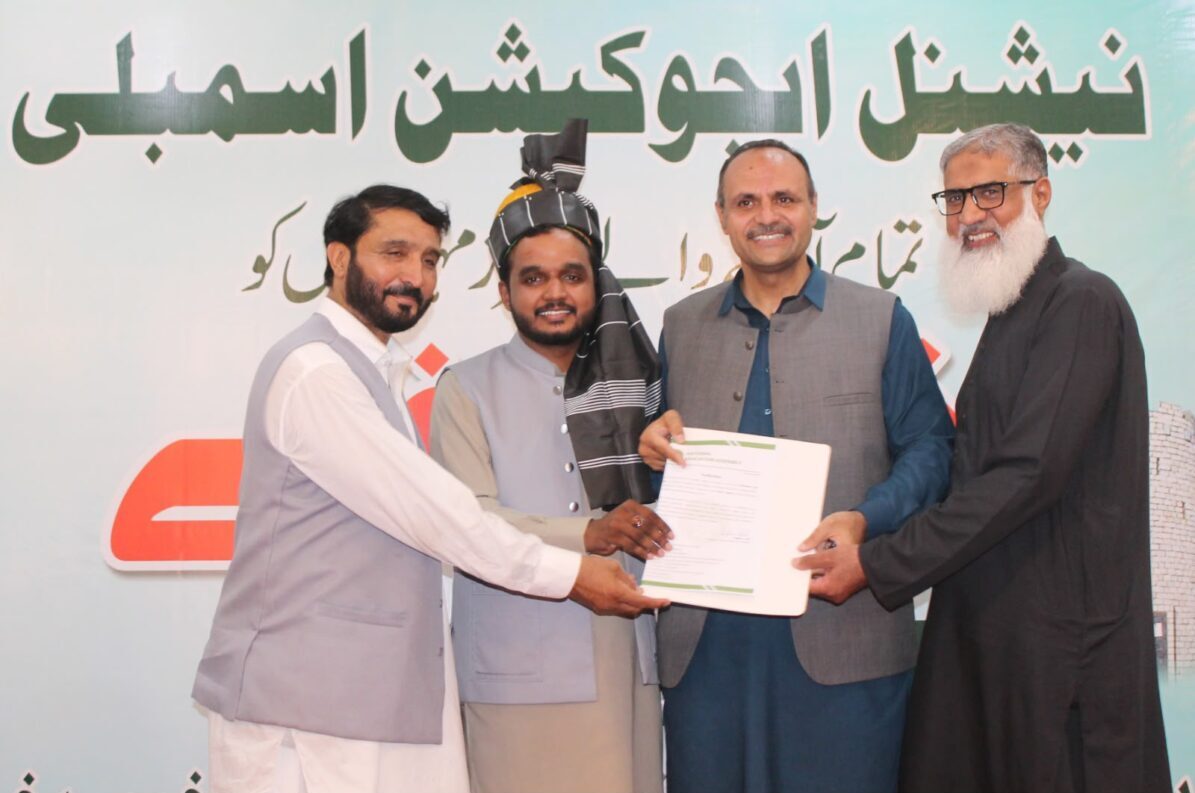
The workshop was organized by a coalition of civil society organizations, including the National Lobbying Delegation for Minority Rights (NLD), Baithak, PHMMC, Community World Service Asia, DDAT Tharparkar and the Peace and Development Foundation. The initiative aimed to strengthen collaboration between parliamentarians and civil society to promote inclusive legislation through parliamentary processes.
During the deliberations, participants identified several priority issues affecting religious minority communities across the country. These included the protection of religious and communal properties, reforms to Christian Personal Laws, amendments to child marriage legislation, greater political representation for minorities, effective implementation of job and education quotas, improved birth registration, better access to justice, inclusive education curricula, and the protection of the rights and working conditions of sanitation workers.
The participants stressed that meaningful progress requires not only new legislation but also the effective implementation of existing laws. They reaffirmed the importance of parliamentary mechanisms, including Minorities Caucuses, Standing Committees, parliamentary questions, resolutions, Private Members’ Bills, assembly debates, stakeholder consultations and post-legislative scrutiny, as essential tools for promoting inclusive governance and safeguarding the rights of religious minorities.
The workshop concluded with a unanimous commitment by parliamentarians to continue inter-provincial coordination, strengthen parliamentary oversight and work collectively to advance legal reforms, ensure effective policy implementation, and uphold the constitutional rights of all citizens, particularly marginalized and minority communities, across Pakistan.

Leave a Reply