


Weak growth linked to high taxes and extraordinary energy costs.
TARIQ KHATTAK
ISLAMABAD: As recent IMF projections and current account data underscore continued pressure on the Pakistan economy, traders warn that policy missteps are undermining any gains from a fragile recovery.
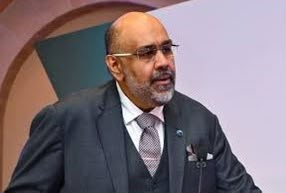
Following the IMF’s decision to lower Pakistan’s growth outlook and the return of the current account to a deficit in December, business leader and former president of the Islamabad Chamber of Commerce, Shahid Rasheed Butt, said the figures point to structural weaknesses rather than temporary fluctuations.
In a statement issued today, Butt argued that flawed tax and energy policies are harming the economy by increasing costs broadly and deterring investment.
The IMF has cut Pakistan’s GDP growth projection for the ongoing fiscal year to 3.2 percent, down from an earlier estimate of 3.6 percent. Such projections reflect the failure to create conditions for sustained expansion, noting that frequent changes in tax rates and heavy reliance on indirect taxation are hurting consumption and economic activity.
He said that high electricity and gas tariffs remain a central constraint, especially for small and medium enterprises operating on thin margins. Many businesses are scaling back production or shifting to the informal sector, limiting job creation at a time when people are already struggling with inflation and weak income growth.
After recording a surplus in November, the current account reverted to a deficit in December, primarily due to a steep rise in imports. The imbalance is intensified by stagnant exports, he observed.
Shahid Rasheed Butt noted that remittances continue to provide critical support, but relying on them is not a substitute for export-led growth.
He called for a reset in tax and energy policy, specifically recommending targeted tax incentives, streamlined energy tariffs, and transparency measures to ease pressure on businesses and consumers. He said the public impact of continued inaction will be felt through higher living costs and weaker employment prospects, while businesses face declining competitiveness.
The government must focus on structural reforms to simplify the tax code and achieve regulatory consistency to stabilise growth and reduce recurring balance-of-payments stress, rather than on short-term fixes.







Leave a Reply