

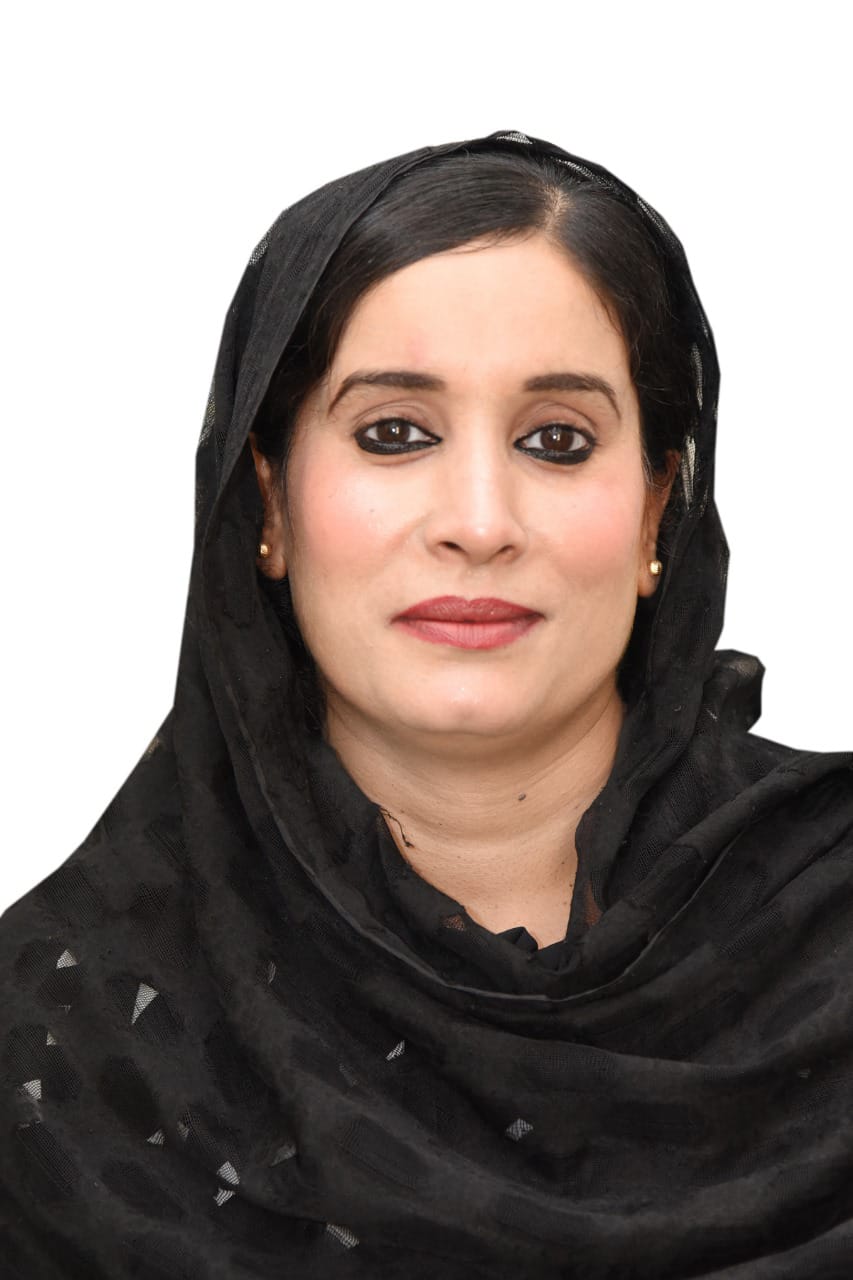
By Shaista Tasleem
For a girl entering school, the classroom should represent opportunity, confidence and the promise of a better future. Yet for many girls across Khyber Pakhtunkhwa, education is overshadowed by an often unspoken fear: sexual harassment. Whether it takes the form of inappropriate remarks, intimidation or abuse of authority, harassment can turn schools into places of fear, undermining the very institutions meant to protect and empower girls.
While considerable attention has been directed towards improving girls’ enrolment and retention, their safety within educational institutions remains an equally pressing concern. Sexual harassment in public and private schools is particularly difficult to address because of social stigma, fear of retaliation, unequal power relationships and inadequate reporting mechanisms. In communities where concerns about safety already influence decisions regarding girls’ education, incidents of harassment can have far-reaching consequences, including families withdrawing their daughters from school.
The impact extends beyond physical safety. Harassment can undermine girls’ confidence, emotional wellbeing and academic performance. Students experiencing such behaviour withdraw from classroom discussions, avoid school activities, struggle to concentrate or develop anxiety. When these concerns remain unaddressed, prolonged absenteeism and eventual dropout become serious risks, depriving girls of educational opportunities and future prospects.
The experience of a student, Ayesha (name changed), illustrates how harassment can disrupt a girl’s education. Recalling repeated inappropriate remarks from a male individual associated with her school, she describes how her enthusiasm for learning gradually turned into fear.
“I used to enjoy going to school, but after what happened, I became afraid. I could not concentrate during lessons and sometimes made excuses to stay home. I wanted to tell someone, but I was worried that people would blame me or that my parents might stop my education. I did not know where to complain or whether anyone would believe me.”
Her account reflects a difficult reality: girls may remain silent not because harassment is insignificant, but because they fear the consequences of reporting it. The possibility of humiliation, disbelief or restrictions on their education can discourage disclosure, allowing harmful behaviour to continue without accountability.
Maham Nafees, a member of the Rise and Shine Girls Education Leadership Network of Blue Veins, highlights how such experiences undermine girls’ meaningful participation in education.
“When girls do not feel safe in school, their confidence, academic performance and participation are directly affected. A girl who fears harassment cannot freely ask questions, participate in activities or concentrate on her studies. Many girls remain silent because they do not know where to report or fear being blamed. Schools must create an environment where girls feel confident that their concerns will be heard, and appropriate action will be taken without jeopardising their education.”
Addressing these concerns requires more than acknowledging harassment as a problem. It demands accessible, confidential and effective mechanisms through which girls can safely report incidents and receive appropriate support.
The Khyber Pakhtunkhwa Elementary and Secondary Education Department has an existing toll-free helpline, 0800-33857, for reporting incidents of corporal punishment and sexual harassment. However, awareness of this facility among schoolgirls remains a concern. A complaint mechanism serves little purpose if those who need it do not know it exists. Girls must receive clear information about how to report harassment, and whom to approach and this information should be prominently displayed in schools and communicated through regular student orientation sessions.
Equally important is strengthening the capacity and gender sensitivity of personnel handling complaints. Responding to disclosures involving children requires specialised training, confidentiality, empathy and an understanding of child safeguarding principles. Insensitive questioning, dismissive attitudes or inappropriate disclosure of a complainant’s identity can cause further distress and discourage other students from coming forward. Assessing the helpline’s staffing, response protocols, referral procedures and effectiveness is therefore essential to ensure that complaints receive appropriate attention.
At the institutional level, both public and private schools should establish clearly defined, accessible and child-friendly harassment complaints reporting mechanisms. These should include trained female focal persons, confidential complaint channels, and procedures for timely action.
Prevention must remain equally central. Schools should conduct regular, age-appropriate awareness sessions to educate girls about personal boundaries, inappropriate behaviour, complaint procedures and available protection mechanisms. Teachers, headteachers and school management should receive mandatory training on recognising harassment, responding sensitively to disclosures and ensuring safe referrals. These efforts must be reinforced through culturally sensitive engagement with parents, encouraging families to support girls who report harassment rather than restricting their education.
Ultimately, responsibility for preventing harassment must rest with educational institutions and the authorities overseeing them, not with children. Strengthening safeguarding standards, monitoring compliance and ensuring accountability must become integral to education governance.
For girls, the right to education must extend beyond entering a classroom. It must guarantee an environment where they can participate confidently and pursue their aspirations with dignity. A school cannot be considered truly accessible if girls do not feel safe within its walls.








Leave a Reply