

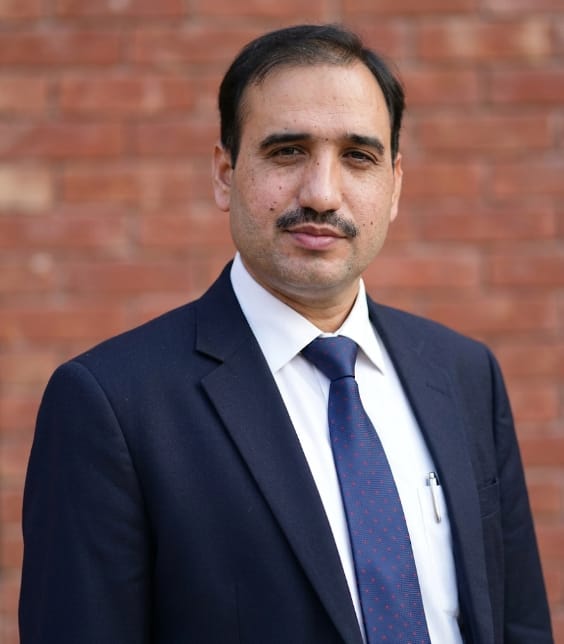
Asmat Shah Garwaki
A school building, textbooks and a classroom full of students are not enough to guarantee an education. At the heart of every meaningful learning experience is a qualified teacher. Yet across Khyber Pakhtunkhwa, shortages of teachers, their uneven deployment and limited opportunities for continuous professional development are undermining educational opportunities, particularly for girls.
For many girls, reaching secondary school is already an achievement. Poverty, distance, inadequate infrastructure and social restrictions frequently interrupt their education before they reach adolescence. But even those who overcome these barriers may find themselves in schools where essential subjects are not taught effectively because qualified teachers are unavailable.
According to the Khyber Pakhtunkhwa Elementary and Secondary Education Department’s Schools Statistical Report 2024–25, government schools employ 184,996 teachers, of whom only 37% are female, compared with 63% male. The disparity is also evident at the secondary level, where girls’ schools have 21,836 teachers serving 653,522 students, compared with 36,598 teachers serving 995,974 students in boys’ schools. These figures reveal disparities in teacher availability and underscore the need for targeted recruitment and equitable deployment of qualified female teachers to strengthen girls’ secondary education.
Recent findings indicate that the problem remains serious. According to Khyber Pakhtunkhwa Education Monitoring Authority’s 2026 report, 41.6% of government girls’ schools across the province face teacher shortages, with a reported gross shortage of 7,911 teachers. The report also identifies 3,284 teachers as surplus in other girls’ schools, highlighting disparities in teacher distribution.
Hina (name changed), a student studying at a government girls’ secondary school narrates,
“We come to school every day hoping to learn something new, but when there are no teachers for important subjects, we fall behind. Sometimes, weeks pass without proper lessons, and we worry about how we will prepare for our examinations. We have dreams of becoming doctors, engineers and scientists, but how can we achieve them if we are not getting the educators we need?”
Her words reflect how teacher shortages can affect girls beyond the immediate loss of classroom instruction. When learning gaps accumulate, students may struggle to compete academically, lose confidence in their abilities or abandon ambitions that depend on strong secondary education.
Qamar Naseem, Programme Manager at Blue Veins and Malala Fund Education Champion, stresses that teacher availability and teaching quality must become central priorities in provincial education planning.
“Girls’ education cannot improve simply by increasing enrolment or constructing more schools. Every girl deserves access to qualified, and competent teachers, particularly at the secondary level where subject knowledge becomes increasingly important. The shortage of female teachers is not just an administrative challenge; it is a barrier to educational equity. Recruitment must be based on actual school needs, accompanied by regular professional development and accountability for learning outcomes.”
Female teachers hold particular significance in the social context of Khyber Pakhtunkhwa. In many rural and conservative communities, their presence strengthens parental confidence and can influence whether girls are permitted to continue beyond primary education. Shortages can therefore affect not only teaching quality but also families’ willingness to support girls’ secondary schooling.
The provincial government of Khyber Pakhtunkhwa has undertaken recruitment initiatives to address staffing gaps. Earlier last year, the Elementary and Secondary Education Department advertised 16,454 teaching positions, attracting more than 866,000 applications, including approximately 395,000 from female. Recently, the government also announced plans to recruit an additional 7,946 teachers for areas experiencing shortages. While these initiatives demonstrate efforts to expand the teaching workforce, their effectiveness will depend on timely appointments, equitable deployment and ensuring that qualified female teachers reach underserved girls’ schools.
Recruitment alone, however, cannot guarantee quality education. As curricula, teaching methods and students’ learning needs continue to evolve, regular professional development is essential for strengthening teachers’ subject knowledge, classroom management, assessment practices and gender-responsive pedagogy. This is particularly important at the secondary level, where specialised subject knowledge directly influences learning outcomes and students’ readiness for higher education.
The Khyber Pakhtunkhwa Directorate of Professional Development already operates induction and continuing professional development programmes. Its published CPD arrangements, however, primarily focus on primary teachers, underscoring the need for a more comprehensive, institutionalised framework for secondary educators.
Such programmes should extend beyond occasional workshops to include subject-specific training, classroom mentoring, peer learning, practical teaching demonstrations and regular assessments of training needs.
The province must also move towards school-level workforce planning. Recruitment and transfers should respond to school-level enrolment, subject-specific vacancies and geographical disparities. Transparent monitoring systems can help identify schools facing persistent shortages and ensure that newly appointed teachers reach institutions where their services are most urgently required.
Improving girls’ secondary education in Khyber Pakhtunkhwa requires more than expanding access to schools. It demands classrooms where qualified teachers are present, instruction is consistent and every girl receives the academic support necessary to succeed. A girl who has overcome poverty, distance and social barriers to reach secondary school should not find her future constrained by the absence of a teacher. Ensuring the availability, equitable deployment and continuous professional development of qualified female teachers is essential to transforming access to education into meaningful learning opportunity.







Leave a Reply