

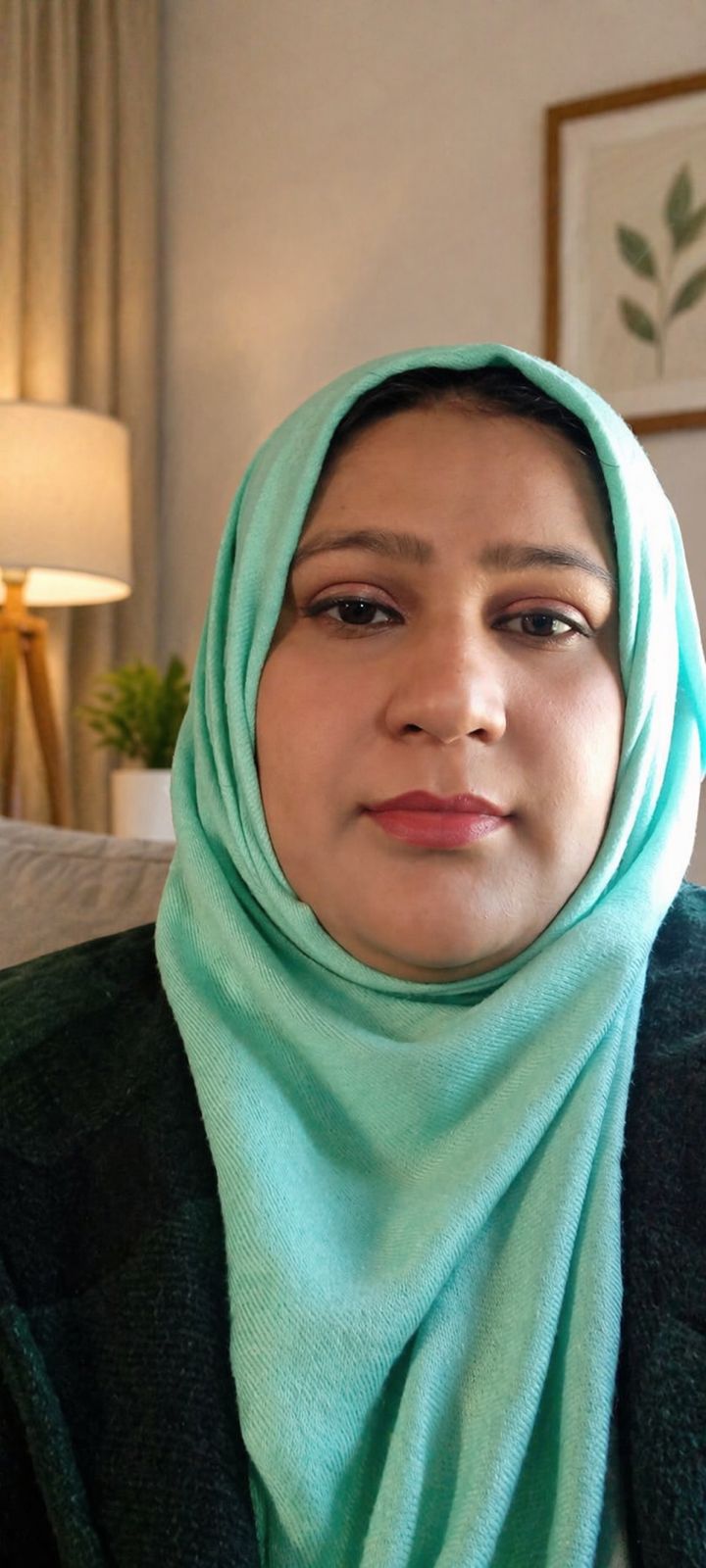
By: Iram Ghaffar
Social media have become an integral part of our daily lives in the digital age. We scroll, like, share, and comment glued to our screens from the moment we wake up until the last few minutes before going to sleep. While these platforms have made communication faster and the world more connected than ever before, a critical question arises: are we becoming less human in the process?
Social media seems to bring people closer together at first glance. It enables us to freely communicate, share our accomplishments, and communicate with friends and family located all over the world. However, beneath this surface of connectivity lies a growing sense of emotional and social disconnection. Text messages and emojis are increasingly taking the place of face-to-face conversations. The genuine presence, tone of voice, and warmth of human interaction are gradually diminishing. One of the most concerning effects of social media is its impact on mental health. Constant exposure to carefully curated and often unrealistic portrayals of life creates a culture of comparison. Young people, in particular, find themselves measuring their worth against filtered images and exaggerated success stories. This leads to feelings of inadequacy, anxiety, and even depression. Instead of fostering self-confidence, social media often amplifies insecurities.
Moreover, relationships today are becoming more superficial. The number of “followers” or “friends” has started to matter more than the depth of actual connections. People may have thousands of online contacts, yet still feel lonely in real life. Important moments are no longer lived fully; instead, they are captured for validation through likes and comments. In chasing virtual approval, genuine human experiences are being compromised.
Another issue is the decline in attention span and productivity. It’s hard to focus on important tasks because of the constant influx of information and endless scrolling. Time that could be spent on personal growth, education, or real-world interactions is often lost in the digital void. Cyberbullying and privacy concerns have also increased, highlighting the negative aspects of social media, where empathy and accountability are frequently lacking. However, it would be unfair to label social media as entirely harmful. It has played a significant role in spreading awareness, promoting social causes, and providing a platform for marginalized voices. The issue is not the technology itself but rather our use of it. When used mindfully, social media can enhance our lives rather than diminish them.
In conclusion, while social media has revolutionized communication, it has also altered the essence of human interaction. The challenge for today’s generation is to strike a balance—embracing the benefits of digital connectivity without losing the depth of real-life relationships. After all, being truly “connected” is not about being online all the time; it is about understanding, empathy, and genuine human presence. If we fail to preserve these qualities, we risk becoming more digitally active but emotionally distant—a society connected online, yet disconnected in reality.
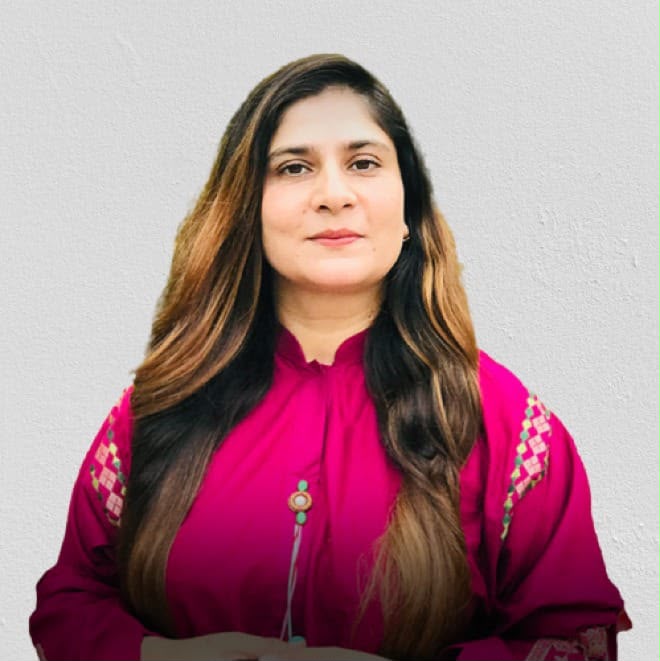
Iram Ghaffar
Email: iram.ghafar@gmail.com












Leave a Reply