

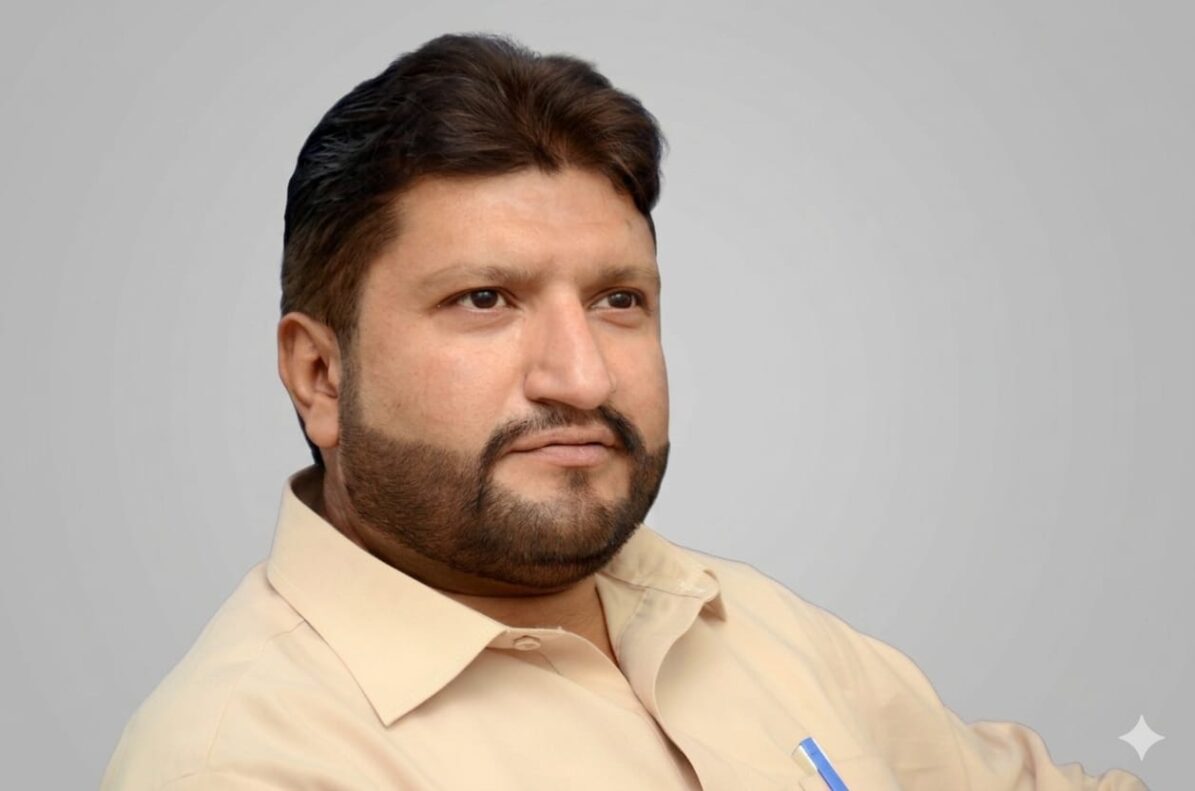
AMJAD HADI YOUSAFZAI
The cultural identity of any society is shaped by its artists, writers, intellectuals, and cultural figures. These are the individuals who enrich their communities through creativity, dedication, and lifelong service, while also strengthening the national identity. State honors and presidential awards are meant to recognize such contributions and serve as a symbol of national gratitude. Unfortunately, in recent years, serious questions have been raised about the nomination and selection process for these awards, casting doubt on their credibility and prestige. During a ceremony organized by China Window in Peshawar to honor veteran artists Syed Sardar Badshah and Sajida Gul, the concerns expressed by the two performers reflected not merely personal grievances but the collective frustration of many artists from Khyber Pakhtunkhwa who have devoted their lives to the arts yet remain deprived of the recognition they rightfully deserve. Syed Sardar Badshah’s complaint is both understandable and justified. He was awarded the Tamgha-i-Imtiaz nearly twenty-eight years ago in recognition of his outstanding contributions. However, despite a career spanning more than a thousand television productions and over twelve hundred radio programs, he has yet to receive the Presidential Pride of Performance Award. According to him, his name has been recommended on several occasions, but each time he was overlooked. The continued neglect of an artist with such an extensive body of work is difficult to comprehend and deeply unfortunate. Similarly, Sajida Gul’s disappointment is equally valid. She dedicated more than twenty-five years of her life to radio and television, appeared in hundreds of drama productions, and earned the admiration of audiences through her remarkable talent. Yet she has never been nominated for a presidential award. This naturally raises an important question: if artists of such stature are not considered deserving of national recognition, then what criteria are being used to determine eligibility? The reality is that the results of presidential awards have attracted considerable criticism in recent years. Many observers have pointed out that deserving personalities are often ignored, while individuals with comparatively limited contributions find their way onto the honors list. Particularly noteworthy was the observation made by veteran artist and presidential award recipient Najibullah Anjum during the event. According to him, people from different professions are now being approached and encouraged to submit requests or establish contacts in order to secure presidential recognition. If such practices are indeed becoming common, it is a deeply troubling development. National honors should be awarded on the basis of merit, achievement, and service—not applications, lobbying, or personal connections. This situation underscores the urgent need for empowered, professional, and independent selection committees. Such bodies must operate free from political influence, personal favoritism, and external pressure. Their sole responsibility should be to identify and recommend individuals whose contributions genuinely merit national recognition. In this context, the demand by intellectual, literary, cultural, and social circles in Khyber Pakhtunkhwa for the establishment of an expert committee under the provincial Culture Department appears both timely and justified. A committee composed of individuals with a deep understanding of literature, arts, and cultural services could help ensure that deserving personalities are not overlooked. Another important aspect of the event was the role played by China Window. Over the years, it has evolved into a vibrant cultural center in Peshawar where literary, cultural, educational, social, political, and sporting activities are regularly organized. By connecting younger generations with their cultural heritage and introducing them to distinguished personalities who have shaped the province’s artistic landscape, China Window is performing a valuable public service. The recognition of veteran artists such as Syed Sardar Badshah and Sajida Gul is particularly commendable. Some critics tend to find fault with every initiative or attempt to highlight perceived shortcomings. However, honoring artists during their lifetime is far more meaningful than paying tribute to them after they are gone. Those who criticize such efforts would do better to contribute positively to the promotion of arts and culture themselves. Not every initiative deserves suspicion or negativity; constructive efforts should be encouraged and appreciated. Ultimately, artists constitute a nation’s cultural wealth. If their contributions continue to be ignored and if national awards become associated with political influence or personal lobbying rather than merit, both the credibility of these honors and the future of cultural development will suffer. The time has come to make the process of awarding presidential honors transparent, impartial, and merit-based. Only then can deserving figures such as Syed Sardar Badshah, Sajida Gul, and countless others receive the recognition they have earned through decades of dedicated service. Such a reform would not only restore public confidence in national awards but would also uphold the principles of fairness, cultural preservation, and national dignity.
Leave a Reply