

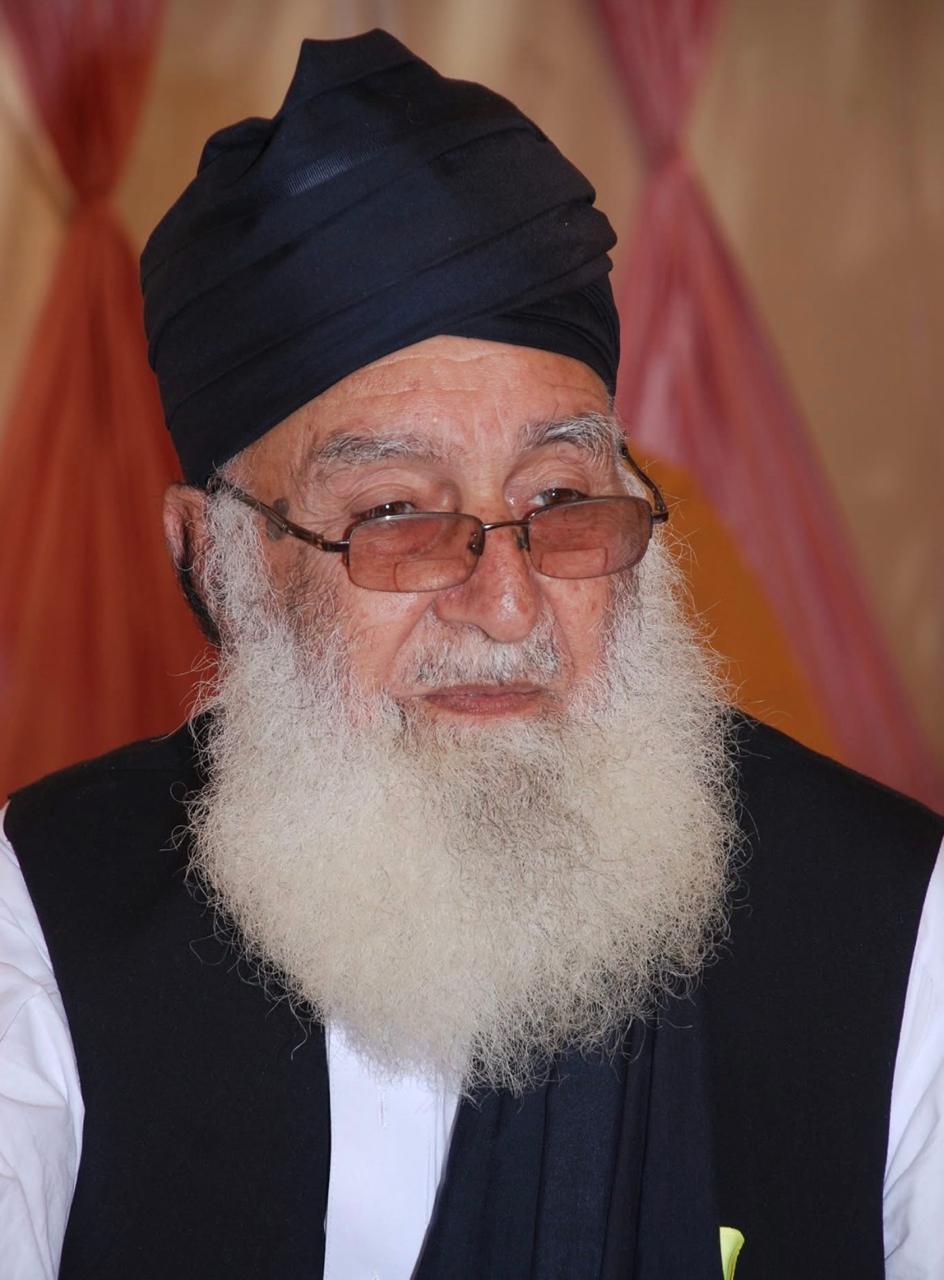
Written By:-Hashim Khan
Professor Muhammad Kamal Khan of the University of Peshawar was one of those rare academic figures whose presence quietly shaped institutions, strengthened traditions, and inspired confidence across generations.
A man of character, courage, and clarity of purpose, he belonged to Parkhoo Dheri, Mardan, yet his intellectual and moral influence extended far beyond geographical boundaries. He was an extempore poet in his native language, Pashto, and wrote under the pen name “Sadozai.”
Professor Muhammad Kamal Khan, the son of Firdos Khan—a close friend of Khan Abdul Ghaffar Khan Alias Bacha Khan—was deeply rooted in a legacy of public service. His only maternal uncle, Khan Ghulam Muhammad Khan Lund Khwar, was a prominent leader of the Muslim League. Despite these strong political affiliations within his family, Professor Kamal firmly upheld the principle that a teacher’s foremost duty is to remain apolitical, ensuring that students receive education in the most impartial and effective manner.
As a teacher and leader, Professor Kamal earned deep respect within the academic community. His repeated election as President of the Peshawar University Teachers’ Association (PUTA) was not merely a matter of position, but a reflection of the trust his colleagues placed in his judgment, fairness, and unwavering commitment to teachers’ rights and institutional dignity. He led with balance—firm where principles were at stake, and conciliatory where unity was required. As President of PUTA, Prof. Kamal Baba introduced the intra-campus transport system to ease mobility for the university community residing within the greater campus. He was later on appointed as first Managing Director of Peshawar University Teachers Foundation (PUTF). He also established the Teachers’ Community Centre (TCC) at VC Chowk, providing a dedicated space where faculty members and their families could engage in leisure, sports, and constructive activities, thereby fostering both well-being and collegiality.
His role in the governance of the University was equally significant. As a member of the Syndicate, Senate, and almost all statutory bodies of Peshawar University, he contributed thoughtfully to policymaking and institutional oversight based on principles. His voice carried weight because it was rooted in sincerity, experience, and an unshakeable belief in academic integrity.
Professor Kamal’s tenure as Controller of Examinations stands as a hallmark of credibility. At a time when fairness in examinations was often challenged, he remained steadfast in ensuring transparency and merit, reinforcing public confidence in the University’s examination system. He started Supplementary examination for BA/BSc students to save their precious time. He started centralized checking of papers of BA/BSc examinations to reduce the result declaration time considerably. Likewise, as Principal of the University Public School and Chairman of Department of Geology, he demonstrated his belief that strong educational foundations are essential for a nation’s future.
Among his most lasting legacies were his efforts to protect and stabilize the University campus. He led the movement against cheating in exams of Peshawar University as President of PUTA and (Federation of All Pakistan Universities Academic Staff Association (FAPUASA). The construction of the boundary wall and the establishment of the Campus Peace Corps were not merely administrative measures; they were visionary steps aimed at preserving the sanctity of the academic environment. These initiatives continue to speak of his foresight, courage, and deep concern for students, teachers, and the institution itself.
After retirement, Professor Muhammad Kamal Khan chose a life of quiet grace, settling in Professors’ Colony near the Agriculture University, Peshawar. Though he stepped away from official responsibilities, his contributions remain etched in the collective memory of the University of Peshawar. He made significant contributions to the Professors’ Colony in his capacity as President of its society. His leadership was marked by a strong focus on enhancing security through the construction of a boundary wall and having a gated community, while simultaneously fostering community cohesion and facilitation by establishing a Hujra/community center for collective engagements.
Kamal Baba dedicated his life to the mission of Tableegh during the 1970s. He played a leading role in advancing the movement under the guidance of his close friend and esteemed scholar, Moulana Abdul Wahab. His association with Tableeghi Jamaat marked a profound transformation in his life, shaping his spiritual journey and personal conduct. In his devotion, he even undertook the sacred pilgrimage of Haj on foot, embodying the spirit of sacrifice and commitment to the cause of Tableegh to follow the steps of Muhammad PBUH.
Before presenting himself before Almighty Allah on Thursday, 9th January 2014, he endured a prolonged medical struggle with Malignant Pleural Mesothelioma (a cancer of the chest), courageously battling the disease for a duration of 28 months.
Professor Muhammad Kamal Khan will always be remembered as a principled person who was guardian of academic values, a voice of reason, and a devoted servant of education. His life stands as a reminder that true legacy is not built through titles alone, but through integrity, service, and an enduring commitment to the common good.



Leave a Reply