

What we inhale each day quietly shapes how we live, think, and evolve. For millions of children across the globe, this invisible atmosphere is no longer a neutral space but a silent obstruction to their future. This is no longer merely an environmental concern. It has become a defining human development crisis.
According to insights shared in Science in 5 by the World Health Organization, air pollution now stands as the most significant environmental threat to human health. This is not a distant or abstract statistic. It is an immediate global reality. Nearly 7 million lives are lost each year due to polluted air, while nine out of ten people breathe air that falls below recommended safety standards.
What intensifies this crisis is the way pollution infiltrates the human body. Fine particulate matter, known as PM2.5 and PM10, does not remain suspended in the air. It penetrates deep into the lungs, seeps into the bloodstream, and reaches critical organs, including the brain. The repercussions are profound, ranging from strokes and cardiovascular diseases to lung cancer and cognitive deterioration. Urban centers such as London and Bogotá are already witnessing a rise in anxiety, depression, and dementia linked to prolonged exposure.
Yet the gravest burden is borne by children.
From the earliest stages of life, vulnerability begins to accumulate. Exposure to polluted air during pregnancy has been associated with premature births, reduced birth weight, and hindered fetal development. After birth, this susceptibility deepens. Children breathe at a faster rate than adults, absorb a higher concentration of pollutants relative to their size, and continue to develop biologically, particularly in terms of brain function. Each breath carries amplified consequences.
Exposure is not a matter of choice for them. Children spend time outdoors, attend schools near congested roads, and exist within environments shaped entirely by external decisions. The air they breathe is not chosen by them but determined for them.
This is where accountability transitions from individuals to systems.
Personal precautions such as avoiding traffic-dense areas, opting for cleaner fuels, or limiting outdoor activity during high pollution periods can offer some protection. However, these are temporary safeguards rather than enduring solutions.
Transformative progress is rooted in policy.
Cities that have embraced decisive action illustrate what is achievable. Paris has achieved a remarkable reduction in air pollution over two decades by reimagining urban design with green spaces and pedestrian-focused infrastructure. London has implemented ultra-low emission zones, leading to measurable declines in respiratory illnesses. Bogotá has advanced toward an electric public transport system, directly addressing pollution at its origin.
Even China has demonstrated that sustained economic expansion can coexist with environmental reform.
The trajectory is evident. When governments act with intent and precision, the outcomes are both immediate and tangible.
Cleaner air signifies far more than reduced hospital admissions. It represents enhanced cognitive development, improved physical health, and a higher quality of life, particularly for future generations.
Ultimately, this extends beyond pollution.
It concerns potential.
And it reflects the kind of world we are willing to construct for those who will inherit it.
Change does not begin only in policy rooms. It begins with the small choices we make every day that shape how we live and what we demand from the world around us. As individuals, we can reduce our impact by using public transport or carpooling, saving energy at home, and choosing cleaner ways to cook, travel, and consume. Planting trees, cutting down waste, and checking air quality before going outside are simple but meaningful steps. Just as important is speaking up and supporting policies that protect clean air.
These actions may seem small on their own, but together they create real change. We may not control the entire climate crisis, but we do influence the air around us. And every thoughtful choice brings us closer to a future where every breath feels safe, not uncertain.
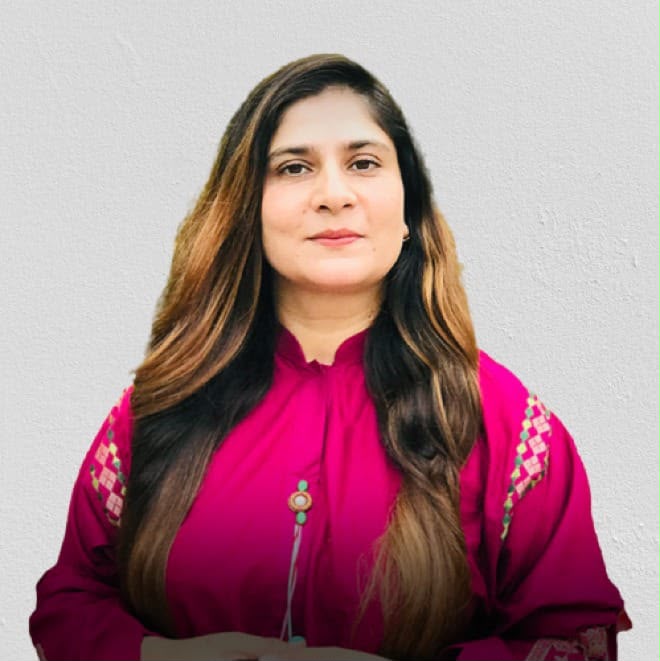
Fizza Qaisar writes on social issues, environmental awareness, and climate change.








Leave a Reply