

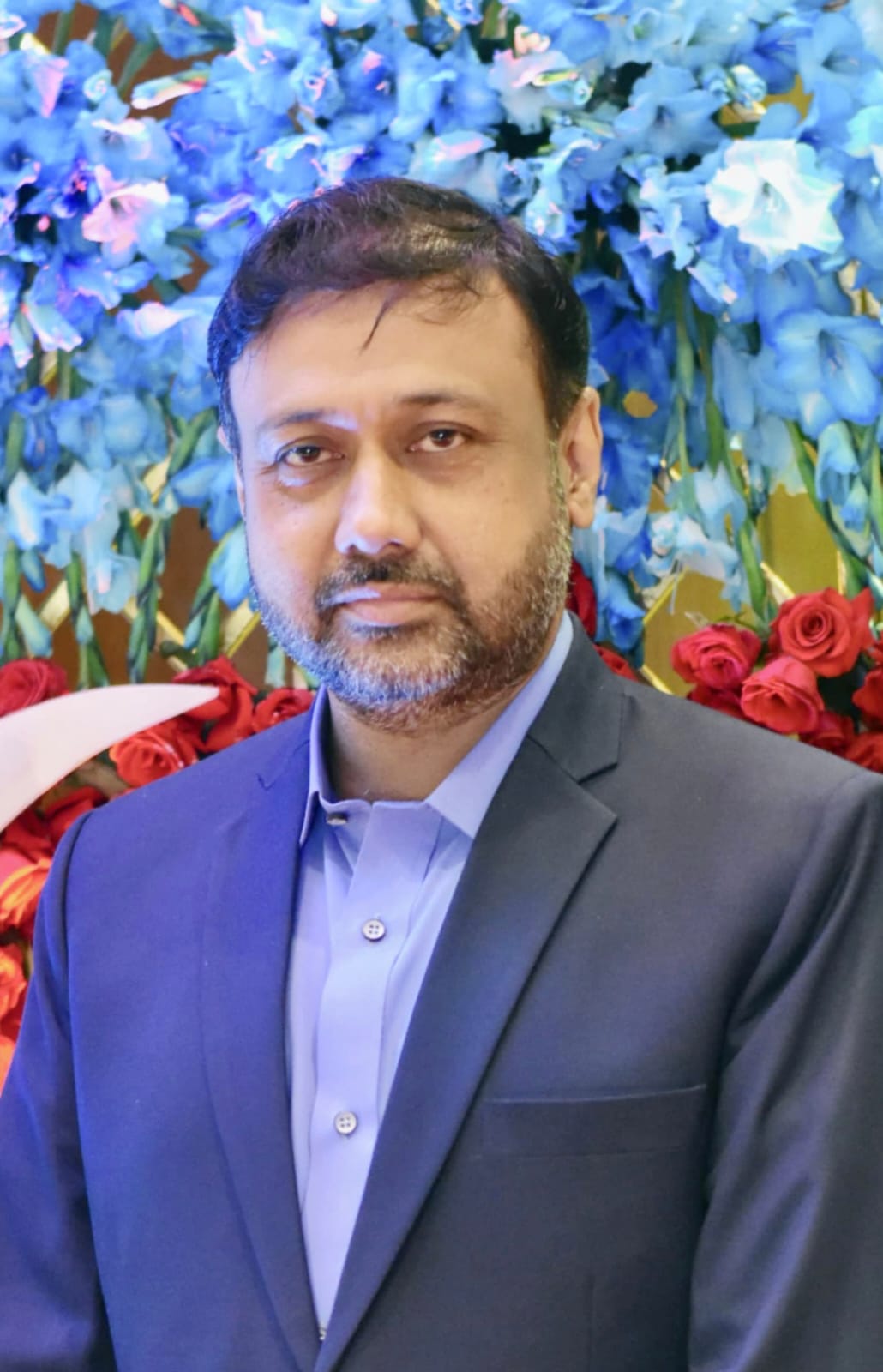
By: Dr Muhammad fazal-ur-Rehman
During his recent visit to China, Prime Minister Mian Muhammad Shehbaz Sharif oversaw the signing of landmark agreements at the B2B Investment Forum in Beijing. These Memoranda of Understanding (MoUs) are aimed at strengthening technical education, vocational training, and industry academia linkages between Pakistan and China.
A key architect behind these agreements was Ms. Gulmina Bilal, Chairperson of NAVTTC (National Vocational & Technical Training Commission), who, under the guidance of Federal Minister for Education Khalid Maqbool Siddiqui, worked tirelessly to bring these collaborations to fruition.

Key Agreements and Institutional Support
1. Pingxiang Health Vocational College
Establishment of an overseas China-Pakistan International College.
Development of a digital education platform.
Exporting China’s vocational standards into Pakistan’s education system.
Collaborative training of international students and fostering public-level cultural exchanges.
2. Yunnan Vocational Institute of Energy Technology
Establishment of Pakistan Overseas University of Engineering and Technology.
Development of smart teaching systems for Pakistan’s coal mines.
Design of 4–6 specialized vocational courses.
Annual cultural and academic exchanges between faculty and students.
3. Xinjiang Agricultural Vocational & Technical University
Creation of “Chinese + Vocational Skills” Training Base for agriculture and animal husbandry.
Joint curriculum development in veterinary sciences and animal health.
Provision of technical services to Chinese companies operating in Pakistan.
Short-term exchange programs for teachers and students.
4. Gansu Vocational College of Non-Ferrous Metallurgy
Establishment of “Baili Workshop” Overseas College.
Dual-degree programs for Pakistani students.
Development of digital curricula and vocational standards.
Establishment of a Pakistan training base with joint faculty initiatives.
5. Jiangxi Agricultural Engineering Vocational College
Creation of Chinese + Vocational Skills International Exchange Center.
Development of courses on herbal cultivation and online learning programs.
Teacher training and joint skill development modules.
6. Jiangxi Vocational College of Industry & Engineering
Establishment of “Batie Friendship Language Center”.
Launch of courses on Chinese language, Artificial Intelligence, and New Energy Technologies.
Annual training for 200–400 Pakistani students.
7. Sichuan Vocational College of Health & Rehabilitation
Establishment of a training base in nursing and rehabilitation sciences.
Development of online healthcare courses.
Teacher and student exchange programs.
8. Wuhan Technical College of Communications (WTCC)
Training for at least 30 Pakistani professionals in Chinese + vocational skills.
Inclusion of four Pakistani experts in China’s National Project Expert Database.
Admission of Pakistani students into dual-degree programs in China.
Youth participation in summer and winter research programs.
9. Guangzhou Polytechnic University
Collaboration with National University of Technology, Pakistan.
Training in software technology and IT fields.
Expansion of overseas training bases for vocational skills.
10. Zhejiang Institute of Mechanical & Electrical Technicians
Hosting of the 2026 China E-Commerce Streamer Contest (Pakistan Tournament).
Establishment of Gold Streamer Industry Academy for e-commerce and live-streaming skills.
Teacher training and international expert inclusion in Pakistan’s vocational system.
Importance of Technical Education
Technical and vocational education is not just about employment, it is about empowerment, national progress, and peace-building. In countries like Pakistan, plagued by unemployment, militancy, and instability, vocational training provides a constructive pathway for the youth.

By equipping the younger generation with market driven skills, technical education helps:
Reduce the allure of extremism and violence.
Create opportunities for dignified livelihoods.
Strengthen the industrial base and economic resilience of the country.
National Security and Leadership
The progress of Pakistan in education, industry, and peac e cannot be seen in isolation from its national defense and political stability. Here, the role of Field Marshal General Syed Asim Munir, Chief of Army Staff, is exemplary. His visionary leadership has ensured internal security, enabling the government and private sector to focus on educational and economic reforms.
General Asim Munir’s efforts in combating terrorism and promoting national unity have provided the stability necessary for international partnerships like these to thrive.
The agreements signed during Prime Minister Shehbaz Sharif’s China visit mark a transformational chapter in Pakistan’s journey towards vocational excellence, sustainable development, and regional stability. With the strategic vision of national leadership, the dedication of education sector pioneers like Gulmina Bilal, and the strong partnership of Chinese institutions, Pakistan is poised to harness the full potential of its youth and contribute to global progress.







Leave a Reply