

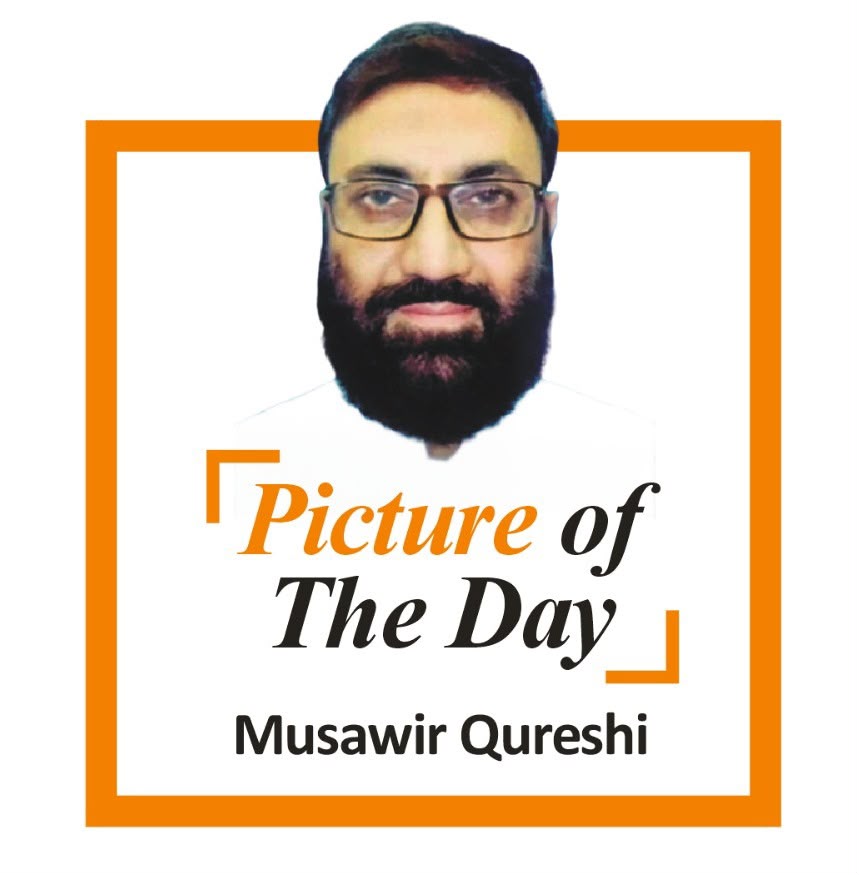
By Musawir Qureshi
The other day, a video circulating on social media deeply disturbed me. It appeared to show a Taliban official in Afghanistan publicly beating a woman with a stick in a large gathering, while other Taliban members standing behind him chanted “Allahu Akbar.” The video claimed that the woman was being punished for teaching people through online education.
The actual facts of this incident remain unclear and can only be established through independent and impartial investigations. Many of you may have watched this video and felt concerned. Anyone with a conscience would naturally be saddened by such a scene. Whatever the reason may have been, publicly beating, humiliating, and disgracing a woman is neither a part of Pashtun tradition nor the teachings of Islam.
Similar videos have surfaced before, contributing to the negative image of Afghanistan and its people and attracting international criticism. Such incidents also reflect a mindset that seeks to exclude women from education, employment, and active participation in society. Over the past few years, restrictions on women’s education and employment in Afghanistan have prompted concern not only among human rights advocates but also among Muslims, scholars, and tribal communities around the world.
These videos are often used to portray Pashtuns and Islam as being opposed to human rights and to suggest that violence against women is part of the region’s culture. This perception, however, is unfair and inaccurate. Pashtun society is founded upon principles of dignity, honor, hospitality, justice, and the protection of the vulnerable. Modern Pashtuns increasingly support the education of their daughters and women’s participation in professional life.
Education is the foundation of every progressive society. Islam itself places great emphasis on the pursuit of knowledge. Throughout Islamic history, women have played significant roles in education, jurisprudence, Hadith scholarship, medicine, and social welfare. Hazrat Aisha (RA), for example, is regarded as one of the greatest teachers in Islamic history, and thousands of Hadiths have been narrated through her.
When women are deprived of education, the consequences extend far beyond individuals. The entire society suffers. An educated mother can raise and guide future generations effectively, while illiteracy often contributes to poverty, underdevelopment, and a range of social problems.
Afghanistan has endured decades of war, instability, and political crises. Afghan women have borne a significant share of these hardships. In recent years, however, restrictions on secondary and higher education for girls have placed the futures of millions of young women in uncertainty.
The closure or restriction of schools and universities has affected not only students but also thousands of female teachers and educational professionals. Experts widely agree that women’s participation is essential to a country’s economic growth. When half of a society is excluded from education and employment, national progress inevitably slows down.
These restrictions are often associated with Pashtun traditions, but such a connection is not entirely accurate. Authentic Pashtun customs are rooted in respect, honor, justice, hospitality, and the protection of those who are vulnerable.
History bears witness to the important role played by Pashtun women. The name of Malalai of Maiwand continues to be remembered with admiration in Afghan and Pashtun history. Her courage and leadership during the Battle of Maiwand remain a symbol of bravery and national pride.
Likewise, women in Pashtun society have traditionally been accorded respect as mothers, sisters, and daughters. Pashtun customs do not celebrate the humiliation, public shaming, or abuse of women. Differences of opinion may exist, but publicly disgracing or mistreating a woman is contrary not only to Pashtun values but also to the principles of human dignity.
Islam places great importance on the sanctity and dignity of every human being. The Holy Qur’an recognizes both men and women as creations of Allah deserving of respect and honor. Likewise, education, employment, and human dignity are internationally recognized as fundamental human rights.
When women are restricted through fear, violence, or excessive limitations, the result is social tension, psychological distress, and economic weakness. A strong society is one in which both men and women are able to contribute according to their abilities and talents.
The people of Afghanistan have made immense sacrifices over the past several decades. War, displacement, poverty, and instability have profoundly affected everyday life. In such circumstances, expanding educational opportunities for Afghan girls and women could become a crucial step toward peace, stability, and development.
Educated women can make valuable contributions in healthcare, teaching, social services, business, and many other sectors. Their participation is essential for rebuilding the nation and ensuring sustainable development.
The issue of women’s education and fundamental rights in Afghanistan is not merely a political or ideological debate; it is a question that will shape the future of millions of people. No nation can truly progress while half of its population is denied access to education, employment, and social participation.
Whether viewed through the lens of Pashtun traditions, Islamic teachings, or universal human values, there is broad agreement that human dignity, justice, and the spread of knowledge are essential foundations of a healthy society. Afghanistan’s future can only be brighter when every boy and every girl has the right to education and the opportunity to develop their potential.
Afghan authorities should reflect seriously on these issues. Is the mistreatment of women truly justified? Will such policies contribute to Afghanistan’s progress and prosperity? Will they enhance the country’s reputation in the international community? If governance is carried out in the name of Islam, then the true spirit of Islam justice, compassion, knowledge, and human dignity should be presented to the world, rather than actions that risk damaging the image of both Islam and Pashtun culture.


Leave a Reply