

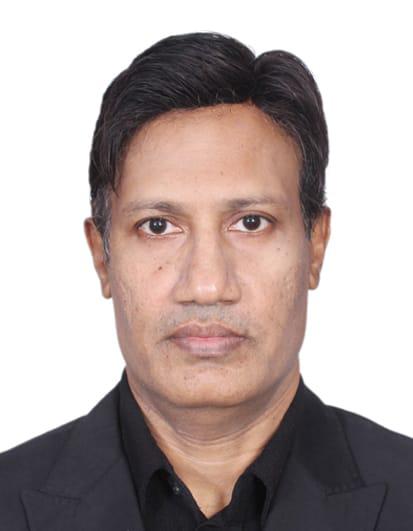
By Junaid Qaiser
Across Pakistan, the festival of Diwali once again illuminated homes, hearts, and hopes. Temples shimmered under the soft glow of lamps, families exchanged sweets and gifts, and the air filled with laughter and the scent of incense. From Karachi’s bustling streets to Tharparkar’s quiet villages, the celebration of light over darkness brought together communities in a spirit of joy and renewal.
Yet, beyond the fireworks and festivities, Diwali in Pakistan carried a deeper meaning — a reaffirmation of the country’s promise of inclusivity and respect for diversity. The Constitution guarantees every citizen the freedom to practice their faith, and the open celebration of Diwali this year stood as a reflection of that enduring principle envisioned by Quaid-e-Azam Muhammad Ali Jinnah.
President Asif Ali Zardari captured this sentiment beautifully, saying that Diwali reminds us of “the triumph of light over darkness and good over evil.” He praised the contributions of Pakistan’s Hindu community in education, commerce, and public service, while reaffirming the state’s commitment to protecting the rights of minorities.
Prime Minister Shehbaz Sharif, too, extended his greetings, expressing hope that the festival would “dispel darkness, foster harmony, and guide us toward peace and shared prosperity.” His message, posted on X, underscored the need to confront intolerance and inequality through unity and compassion — values that resonate deeply with the spirit of Diwali.
PPP Chairman Bilawal Bhutto-Zardari also joined in the greetings, calling Diwali a festival of “light, hope, and renewal.” In his statement, he echoed the inclusive vision of his mother, Benazir Bhutto, and grandfather, Zulfikar Ali Bhutto, pledging to continue working for a Pakistan where all faiths coexist with dignity and mutual respect.
Governor Khyber Pakhtunkhwa Faisal Karim Kundi’s message further highlighted this theme of harmony. Describing Diwali as a festival that strengthens bonds of peace and goodwill, he reiterated that minorities in Pakistan enjoy full constitutional rights. His engagement with the Sikh community in Peshawar, and assurances regarding their concerns, reflected a hands-on approach to promoting interfaith cooperation.
Such gestures — whether symbolic or practical — carry immense weight. In a world increasingly divided along religious and ethnic lines, Pakistan’s observance of Diwali offers a reminder of what binds us together. It shows that despite our differences, there is space in this country for every faith, every culture, and every light that seeks to shine.
Pakistan’s beauty lies in its diversity. It is a tapestry woven with many threads — Muslim, Hindu, Christian, Sikh, and others — each adding its colour and texture to the nation’s story. Diwali, with its message of victory over darkness, invites all Pakistanis to reflect on how we can nurture that spirit of inclusion in our daily lives.
There must be no place for hatred, bigotry, or exclusion in a modern Pakistan. The true measure of a nation’s strength lies not in uniformity, but in its ability to embrace difference with grace and respect.
As the last diyas flicker out, their light should linger in our collective conscience — reminding us that every act of tolerance, every gesture of goodwill, and every prayer for peace keeps the flame of humanity alive. Diwali’s message is timeless: when light is shared, it only grows brighter.



Leave a Reply