

By Ghulam Haider Shaikh
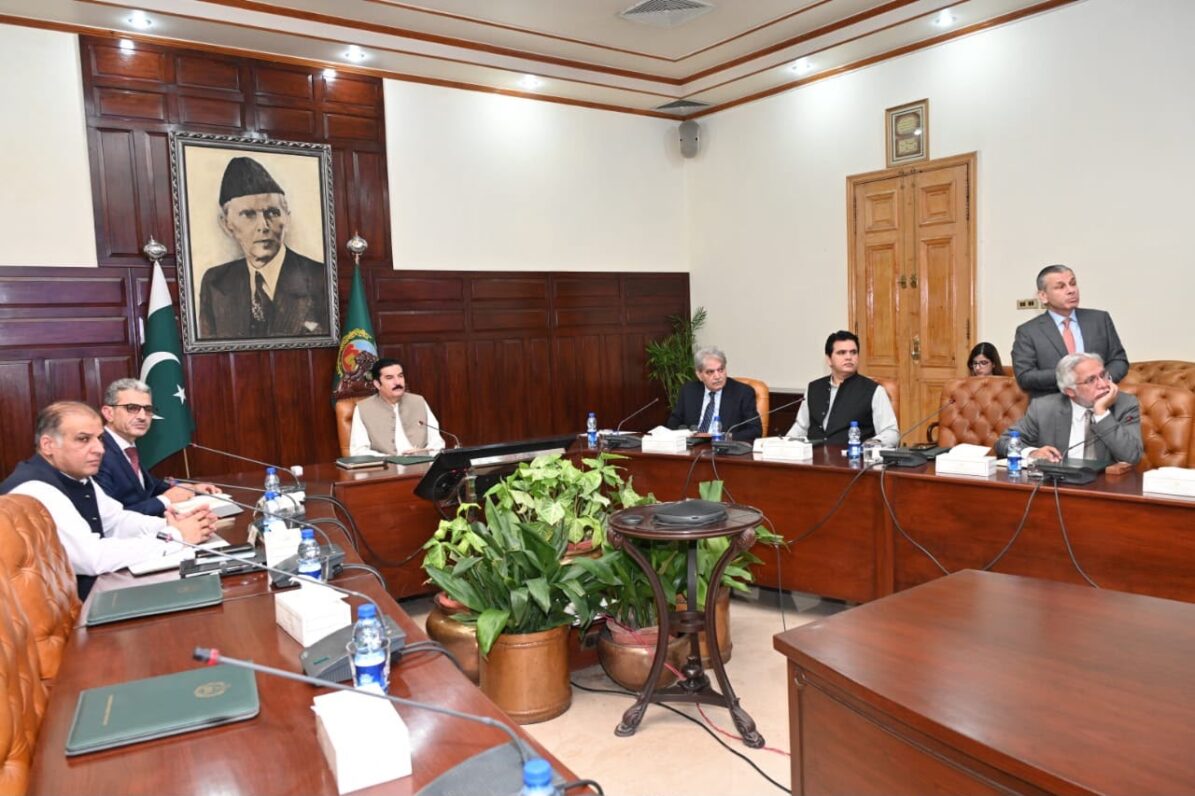
Chief Minister Sohail Afridi’s firm declaration that “no compromise on provincial autonomy will be tolerated” comes at a time when Pakistan’s political and administrative landscape is once again testing the limits of the 18th Amendment. His statement resonates deeply in Khyber Pakhtunkhwa, a province that has historically borne the weight of security operations, natural disasters, and economic disparities, yet continues to demand recognition of its constitutional rights and fiscal independence.
The principle of provincial autonomy was not granted easily, it was won through decades of political struggle and constitutional evolution. The 18th Amendment was meant to guarantee each province control over its natural, financial, and administrative resources. However, persistent interference from federal institutions and delayed fiscal transfers have often undermined this framework. In this context, Afridi’s warning is not merely political rhetoric but a necessary reminder of the federation’s core spirit: balance through equality and mutual respect.
Khyber Pakhtunkhwa, in particular, faces unique challenges. The cost of maintaining security along the western frontier, managing the impact of Afghan migration, and addressing developmental backlogs require both political will and financial autonomy. If provinces are constantly forced to rely on the center for basic governance resources, frustration will inevitably grow, not only in KP but across the federation.
For the federation to remain strong, Islamabad must recognize that true national strength lies in empowered provinces. Ensuring transparent fiscal transfers, respecting constitutional boundaries, and fostering intergovernmental dialogue are crucial to sustaining the unity that Pakistan’s democracy depends upon. Sohail Afridi’s statement, therefore, should not be seen as defiance, but as a call to reinforce the federal contract that binds the nation together, one where autonomy is not seen as division, but as the very foundation of cohesion.






Leave a Reply