

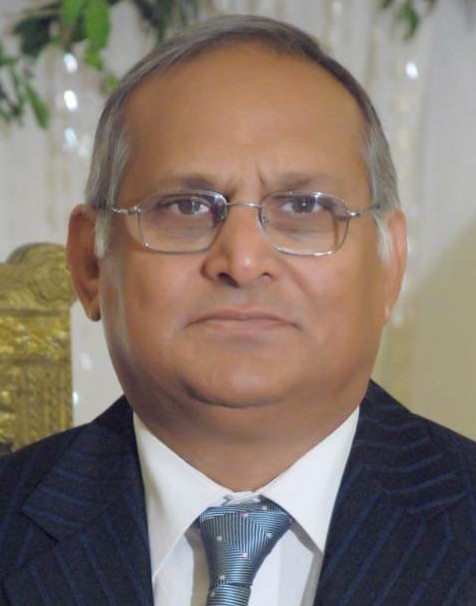
By Ghulam Haider Shaikh
The Khyber Pakhtunkhwa (KP) government’s announcement to convene an Aman Jirga marks a promising initiative in a province long scarred by militancy, political fragmentation, and social unrest. By extending invitations to all political parties, Chief Minister Sohail Afridi has signaled that peace cannot be achieved through power alone, it requires participation, consensus, and shared responsibility.
For years, KP has been at the epicenter of Pakistan’s fight against terrorism, bearing the human and economic cost of instability. Each wave of violence has deepened public frustration and widened political divides. The government’s decision to bring all stakeholders to the same table, regardless of ideological or party differences, reflects a recognition that sustainable peace cannot emerge from isolation or partisan maneuvering. It must come from a collective understanding that the province’s future depends on dialogue, not discord.
Historically, the jirga system has been a vital part of Pashtun tradition, a model of local conflict resolution rooted in justice and consultation. By reviving this mechanism in a modern political context, the KP leadership aims to merge tradition with governance, creating a forum where grievances can be addressed before they evolve into crises. If conducted sincerely and inclusively, this jirga could serve as a blueprint for national reconciliation.
However, for the initiative to succeed, it must move beyond symbolism. The provincial government must ensure that the discussions translate into actionable measures: better policing, stronger border management, equitable resource allocation, and genuine political dialogue with estranged groups. Peace is not built in conference halls but sustained through policy, justice, and trust.
If handled wisely, the Aman Jirga could mark the beginning of a new chapter, one where KP, instead of being defined by conflict, becomes a model for unity and resilience. The challenge now lies not in convening the jirga, but in ensuring its promises endure beyond the headlines.





Leave a Reply