

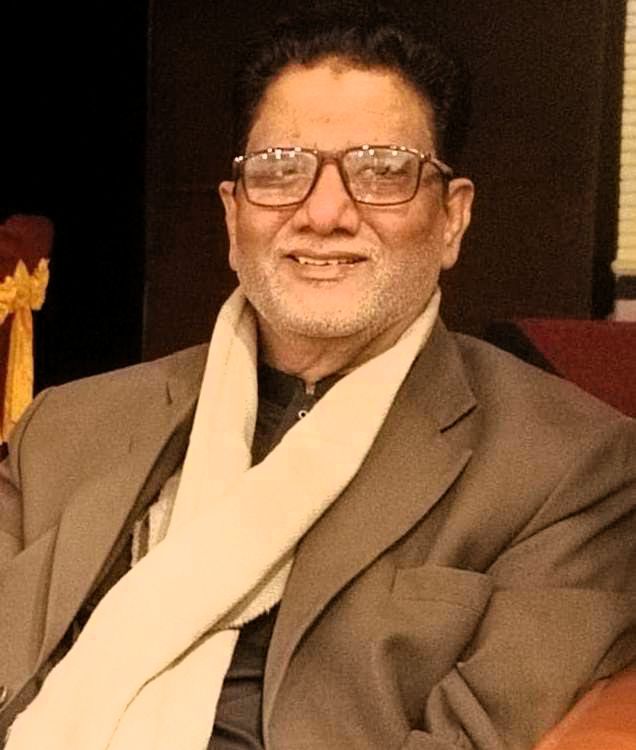
By Zaheer Haider jafri
Nestled in the extreme northern region of Pakistan lies Gilgit Baltistan, a land so breathtaking that it seems carved by the very hands of nature. Surrounded by towering peaks, lush valleys, turquoise lakes, and whispering rivers, this region stands as an unmatched blend of natural beauty and cultural richness. Often referred to as “the roof of the world,” Gilgit Baltistan is not just a destination it is an emotion, a living canvas where every sunrise paints a new story.
The moment one sets foot in this mountainous paradise, the first thing that captures the heart is the serenity. Unlike the bustling plains of Pakistan, Gilgit-Baltistan moves to a rhythm of its own a rhythm guided by the winds that brush through the Karakoram Range and the melodies of rivers like the Indus and Hunza. The region’s landscapes are an artist’s dream: majestic glaciers like Baltoro and Biafo stretch across the land like frozen rivers of time, while fairy tale lakes such as Attabad, Sheosar, and Satpara shimmer like sapphires under the northern sun.
But the grandeur of Gilgit-Baltistan is not limited to its scenery. It is equally a story of its people resilient, warm hearted, and proud of their heritage. The locals, belonging to various ethnic groups such as Shina, Balti, and Wakhi, are known for their hospitality that turns every visitor into a friend. Their traditions, deeply rooted in centuries of history, reflect a unique fusion of Tibetan, Central Asian, and South Asian influences. From the soulful sounds of local music to the rich taste of Balti cuisine, every aspect of life here is steeped in authenticity.
Culturally, Gilgit Baltistan is a bridge between civilizations. Its valleys once formed part of the ancient Silk Route, connecting traders from China, Persia, and South Asia. Remnants of this era are still visible today ancient forts like Altit and Baltit stand tall as sentinels of history, while rock carvings and Buddhist stupas speak of the region’s diverse spiritual past. For historians and explorers alike, Gilgit Baltistan is an open museum waiting to be read.
Tourism in Gilgit-Baltistan has seen remarkable growth in recent years, and rightly so. The region offers something for every traveler. adventure seekers can trek to K2 Base Camp or the icy wilderness of Concordia, nature lovers can lose themselves in the serene valleys of Hunza, Skardu, or Ghizer, and those in search of peace can simply sit by the riverside, watching the clouds drift lazily over snow-capped peaks. Each corner of this land tells a different story, and each traveler takes home a piece of it.
Yet, amid all its beauty, Gilgit Baltistan faces challenges that cannot be ignored. Climate change poses a significant threat to its delicate ecosystem. Melting glaciers and unpredictable weather patterns endanger both local livelihoods and tourism infrastructure. Sustainable tourism, therefore, is not a luxury but a necessity. The preservation of its environment and culture must go hand in hand with development efforts, ensuring that future generations can experience the same magic that enchants visitors today.
Government initiatives and private enterprises are slowly realizing the region’s potential. Improved road networks, digital connectivity, and eco friendly lodging facilities are opening new doors for travelers. However, it remains crucial that progress does not come at the cost of tradition. The soul of Gilgit Baltistan lies in its untouched purity its unpolluted skies, its smiling people, and its centuries-old harmony with nature.
Gilgit Baltistan reminds the world that paradise is not always a myth it can exist on earth, hidden among peaks and valleys, waiting for those who dare to explore beyond the familiar. It stands as a symbol of Pakistan’s natural glory and an invitation to reconnect with the planet in its purest form. For anyone seeking not just adventure, but inner peace and inspiration, Gilgit Baltistan is indeed a traveler’s dreama timeless masterpiece sculpted by nature itself.






Leave a Reply