

Serious Concerns Over Democratic Transparency and Parliamentary Accountability
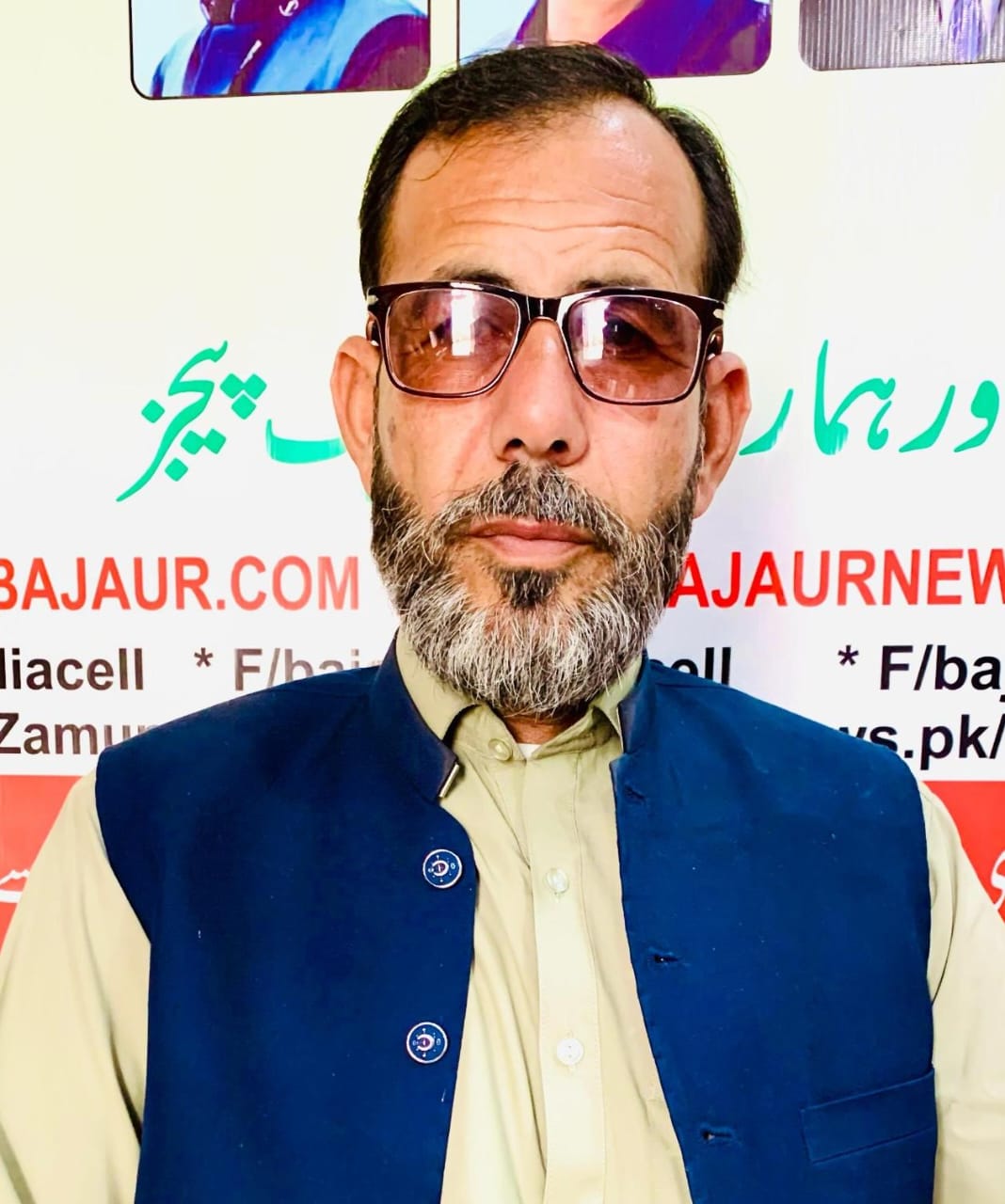
Anwar Zada Gulyar
Bajaur:
Concerns are growing over the rejection of important public-interest questions related to District Bajaur in the Khyber Pakhtunkhwa Provincial Assembly without providing any reasons or citing assembly rules. All questions submitted by the elected Member of the Provincial Assembly from constituency PK-22 were not approved by the Assembly Secretariat, raising serious questions about parliamentary accountability and democratic values.
According to sources, the MPA submitted questions under the Rules of Procedure of the Provincial Assembly concerning various departments, directly linked to public interest. These included issues related to new government recruitments, the use and alleged misuse of development funds, the distribution of funds for Internally Displaced Persons (IDPs), administrative matters, and violations of merit and rules within government departments, with particular focus on the situation in District Bajaur.
Sources further state that these questions were neither forwarded to the relevant departments nor was any written or verbal reason provided for their rejection. No reference to any assembly rule was cited, a move being described as contrary to democratic traditions and parliamentary procedure.
According to records, the rejected questions pertained to the Sports Department, Local Government Department, Home and Administration Department, Health Department, and funds allocated for Internally Displaced Persons (IDPs) affected by military operations. In the case of the Health Department, the questions highlighted alleged violations of merit, illegal appointments, and disregard for rules and procedures concerning the District Health Officer (DHO) Bajaur, while the question regarding IDP funds was described as a sensitive humanitarian issue.
Political and social circles maintain that parliamentary questions are a key constitutional tool to ensure transparency and accountability. Preventing elected representatives from questioning the use of public funds, government jobs, and administrative decisions is tantamount to weakening the democratic process.
Local residents and political observers note that the people of Bajaur have endured decades of insecurity, displacement, and deprivation. Under such circumstances, transparency in the utilization of development funds, government recruitments, and the performance of health and other departments is essential.
Analysts argue that rejecting questions does not resolve problems but rather deepens them. Suppressing questions related to corruption, merit, and the use of public resources undermines public trust.
Public and political circles have demanded that all rejected questions concerning Bajaur be reinstated on the assembly agenda and that the relevant departments be compelled to present complete facts before the public and their elected representatives.
Experts conclude that democracy is strengthened through questions and answers, while silence negates the very essence of a transparent system.





Leave a Reply