

Anwar Zada Gulyar
BAJAUR : Serious challenges confronting the healthcare sector in Bajaur have once again come to the forefront. District Health Officer (DHO) Gohar Ayub has revealed that the district’s healthcare system is under immense pressure due to inadequate funding, deteriorating infrastructure, and insufficient medical supplies, directly affecting hundreds of thousands of residents.
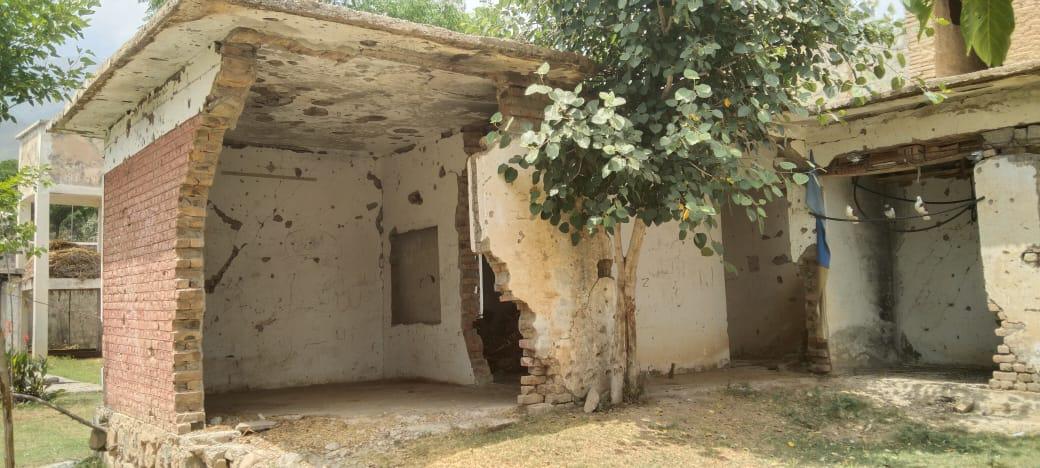
According to DHO Gohar Ayub, Bajaur has one District Headquarters Hospital, three Category-D hospitals, and a total of 43 public healthcare facilities. However, most of the Basic Health Units (BHUs) are in poor condition, with their buildings having deteriorated significantly over time due to the lack of proper maintenance and repair work.
He stated that some health facilities damaged during military operations were later repaired by security forces. However, many other centers remain in urgent need of renovation and rehabilitation. He emphasized that without improving the healthcare infrastructure, it would be difficult to provide quality medical services to the public.
Expressing concern over healthcare funding for the merged tribal districts, Gohar Ayub said that Bajaur and other former tribal districts receive only a fraction of the funds allocated to even the weakest districts of the province. He described the situation as inequitable, noting that the limited budget is insufficient to meet the healthcare needs of a district with a population exceeding 1.6 million.
The DHO further explained that districts do not receive direct funds for purchasing medicines. Instead, medicines are supplied by the provincial government. However, he maintained that the quantity provided is grossly inadequate compared to the population and healthcare demands of the district.


Citing a recent example, he said that only 114 bottles of Albendazole syrup—used for treating intestinal worm infections in children—were supplied this year for Bajaur’s population of approximately 1.6 million people. He described such a limited allocation as “a mockery of the public’s healthcare needs.”
Health experts and local stakeholders warn that unless the merged districts, particularly Bajaur, receive funding, medicines, and infrastructure support in proportion to their population and needs, healthcare challenges will continue to intensify. Residents have urged the provincial government to prioritize the healthcare sector in Bajaur and other merged districts by increasing budget allocations, medical supplies, and healthcare facilities to ensure access to essential healthcare services for people living in remote areas.

Leave a Reply