

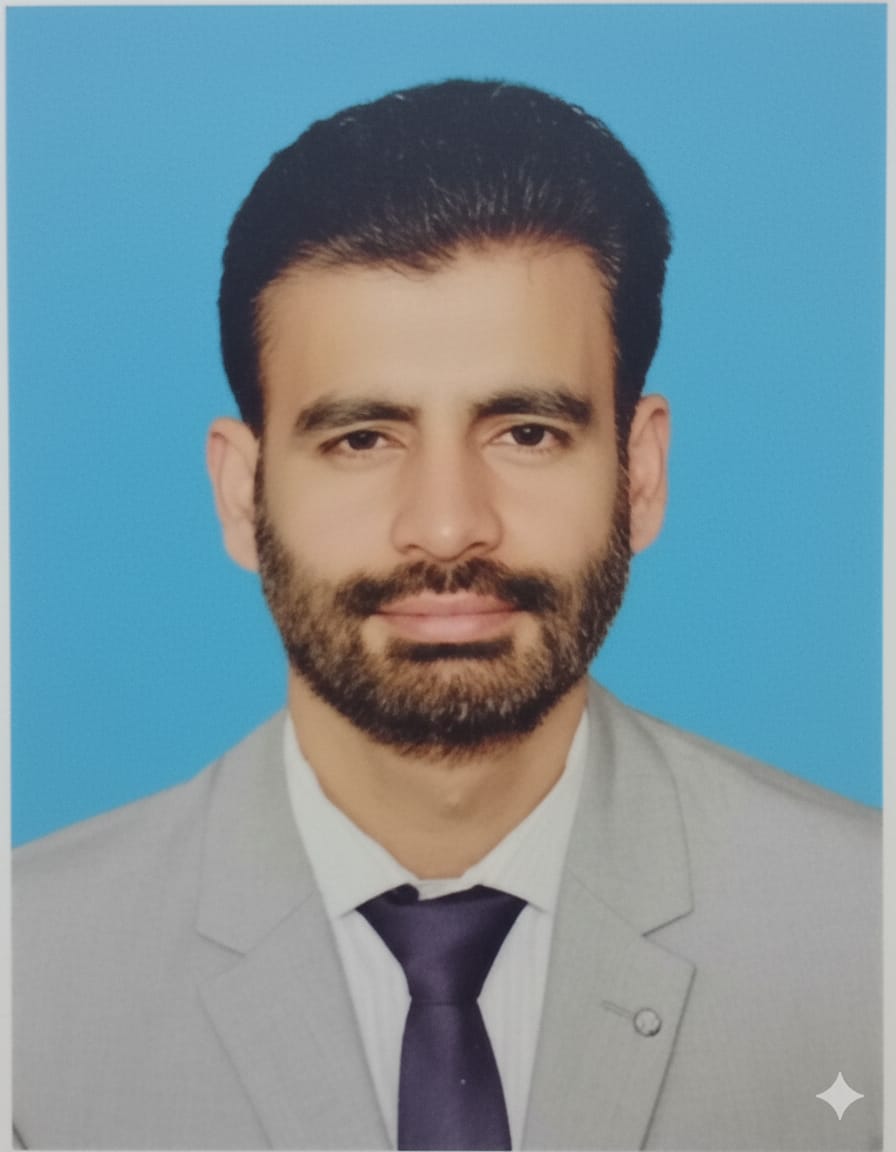
Habib ur Rehman
At a time when nearly 4.9 million children in Khyber Pakhtunkhwa remain out of school, the Elementary & Secondary Education Foundation (ESEF) has emerged as a pivotal force in reshaping the province’s educational landscape through innovation, partnerships, and community-driven approaches.
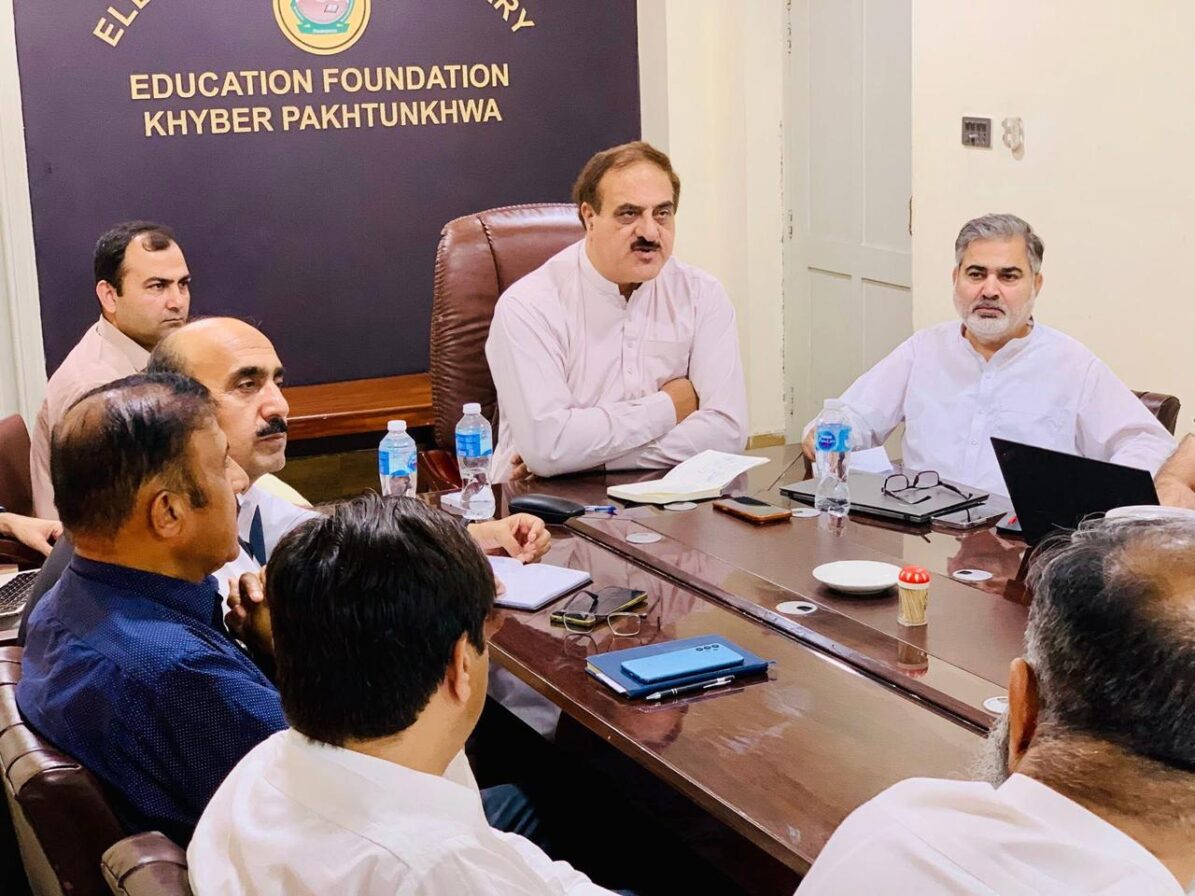
Established under the ESEF Ordinance No. XXX of 2002 and later strengthened through amendments in 2017, the Foundation operates as an autonomous body under the Government of Khyber Pakhtunkhwa. Its mandate is both ambitious and urgent: to expand access to education, improve quality, and create inclusive learning opportunities, particularly for marginalized communities.
At the heart of ESEF’s mission lies a focus on non-formal education and flexible learning models. These are designed to reach children who, due to poverty, geography, or social constraints, remain outside the formal school system. Special emphasis is placed on girls’ education, community participation, and the mainstreaming of madrassa students, along with providing learning opportunities for children with disabilities and other disadvantaged groups.
One of the Foundation’s most impactful initiatives is the Foundation Community Schools (FCS) program. With over 3,500 schools and more than 285,000 students enrolled, this flagship effort has significantly expanded primary education access in underserved areas, particularly for girls. Beyond education, the program also promotes social empowerment by employing female facilitators, including widows and individuals from vulnerable backgrounds. Recognizing the risk of dropout after primary education, ESEF is now moving to establish 200 middle-level community schools to ensure continuity of education.
Complementing this is the Accelerated Learning Pathways (ALP) initiative, which offers flexible education to out-of-school children. With over 800 learning centers serving more than 13,000 learners, ALP provides a second chance at education, enabling students to transition into formal schooling. Innovative streams such as ALP Middle Tech and Matric Tech integrate vocational skills with academic learning, making education more relevant for working youth.
Understanding that the scale of the challenge requires collective action, ESEF has adopted Public-Private Partnerships (PPP) as a cornerstone strategy. Through its Education Support Scheme, children from low-income families are enrolled in private schools with financial support, while the New Schools Initiative encourages local entrepreneurs to establish schools in underserved areas. In a major reform step, around 500 low-performing public schools have also been outsourced to credible private organizations to improve performance, accountability, and learning outcomes.
Technology has also become a key driver of ESEF’s strategy. The Foundation Virtual School (FVS) is addressing the shortage of qualified teachers in remote areas by delivering centralized digital instruction in core subjects such as Mathematics, Physics, Chemistry, and English. Similarly, the Participatory Online Home Learning Alternatives (POHA) initiative is reaching approximately 14,000 learners through mobile-based education, combining online content with community support systems. These models are proving to be both cost-effective and scalable, particularly in hard-to-reach regions.
Institutionally, ESEF has undertaken significant reforms to enhance efficiency and transparency. The transition to a fully digital, paperless e-Office system, along with integrated platforms for program management, human resources, and financial operations, has streamlined governance. Real-time attendance monitoring through mobile applications has further strengthened accountability.
The Foundation’s commitment to quality is reflected in its ISO 9000 certification and the establishment of a dedicated Quality Assurance and Assessment Cell. For the first time in the province, facilitators have undergone digital assessments to evaluate teaching competencies, enabling targeted professional development.
ESEF’s efforts are further reinforced through strategic partnerships with national and international organizations, including UNICEF, the World Bank, JICA, and UNHCR, among others. These collaborations are supporting innovative programs aimed at reducing the number of out-of-school children and expanding access to education across the province.
Looking ahead, ESEF’s Strategic Vision 2025–2030 outlines a comprehensive roadmap to tackle the education crisis. Key priorities include expanding non-formal education programs, strengthening partnerships, leveraging digital technologies, and creating employment opportunities within the education sector. Plans are also underway to establish a Research and Innovation Center and mobilize corporate social responsibility (CSR) funding to sustain long-term initiatives.
As Khyber Pakhtunkhwa grapples with deep-rooted educational challenges, ESEF’s multifaceted approach offers a model of resilience and innovation. By combining community engagement, technological advancement, and collaborative partnerships, the Foundation is not only expanding access to education but also redefining how education can be delivered in complex and underserved environments.
In doing so, ESEF is laying the groundwork for a more inclusive and equitable future – one where every child, regardless of circumstance, has the opportunity to learn, grow, and succeed.
The author is Director Programmes at ESEF
Email: do.esef@gmail.com











Leave a Reply