

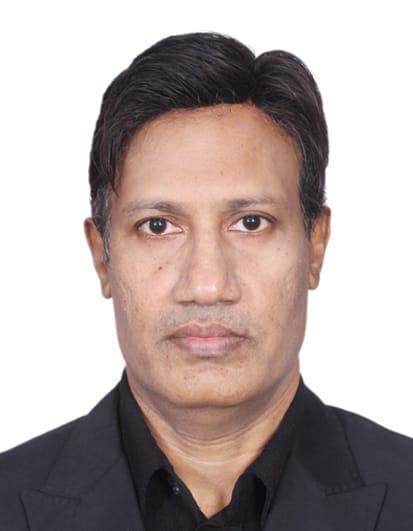
by Junaid Qaiser
In a landscape where confrontation often overshadows diplomacy, Pakistan has once again proven the importance of consistent and credible engagement. Prime Minister Shehbaz Sharif’s recent 50-minute phone call with Masoud Pezeshkian reaffirmed Islamabad’s role as an “honest and sincere facilitator” during the ongoing tensions between Iran and the United States. At a time when mistrust could easily derail dialogue, Pakistan’s message was clear: peace is still a worthy pursuit.
PM Shehbaz’s choice of words is significant. By publicly asserting that Pakistan will remain an “honest and sincere facilitator,” he has strategically positioned the country as a bridge-builder rather than a partisan player. This distinction is essential. Mediation is only effective when both sides trust that the intermediary is acting in good faith. Pakistan’s relationships with Washington, Tehran, Gulf capitals, Beijing, and other regional stakeholders allow it to communicate where others cannot. This isn’t just a matter of luck; it’s the result of strategic geography, diplomatic maturity, and ongoing engagement.
The Islamabad Talks, which reportedly stretched over twenty hours, didn’t quite wrap up with a final agreement. But let’s not judge diplomacy solely by the signatures on a document. Sometimes, the real victory lies in avoiding a breakdown, keeping communication lines open, and making sure both sides keep talking instead of escalating tensions. It seems Pakistan gets this concept well. In situations where timing, pride, sanctions, security assurances, and domestic politics all clash, progress tends to be slow and steady. Islamabad has opted for persistence rather than showmanship.
There’s also been a lot of focus on Donald Trump’s statements, which show both his frustration and strategic thinking. His choice to cancel a planned visit by his envoys was presented as a way to reject unproductive travel and stalled negotiations. His straightforward claim that “we have all the cards” is a classic pressure tactic: negotiate from a position of strength while pushing the other side to rethink their stance. Regardless of whether you agree with his approach, the message was clear—Washington is looking for seriousness, urgency, and a better deal.
Trump’s remarks sent out another significant signal that often flies under the radar. While he criticized Iran for its disunity, he took the time to commend Pakistan, calling it “terrific,” praising Field Marshal Asim Munir as “fantastic,” and referring to Prime Minister Shehbaz Sharif as “great.” These aren’t just casual diplomatic gestures; they show that Washington acknowledges Pakistan’s value, credibility, and stabilizing influence during challenging times. In international relations, praise can be a strategic move, but it still holds significance. It indicates that Pakistan has carved out a spot at the negotiating table.
For Iran, Pakistan represents a neighboring Muslim country with established ties to Washington and no interest in engaging in humiliation politics. For the United States, Pakistan brings access, regional knowledge, and a mediator who can facilitate discreet conversations. On a broader scale, Pakistan provides something even more essential: a way to minimize the risk of miscalculations. In a world where misunderstandings can lead to conflict just as easily as intentions can, having intermediaries is a strategic advantage.
Pakistan’s strategy reflects a grounded sense of realism. Officials are well aware that the main disputes—such as naval limitations, nuclear anxieties, the timing of sanctions relief, and compliance assurances—remain unresolved. These are significant issues. Instead of indulging in excessive optimism, Islamabad seems to be prioritizing the process: keeping lines of communication open, closing gaps, and allowing time for rationality to triumph over impulsiveness. This is often how sustainable diplomacy is forged.

There’s a deeper insight to consider here. For many years, Pakistan has frequently been viewed through a limited lens focused on security crises or economic instability. However, instances like this remind the international community that Pakistan can be a positive force in diplomacy. Its strategic location connects South Asia, Central Asia, the Gulf, and the wider Muslim world. The military and civilian leadership maintain communication channels across competing blocs. Its credibility strengthens when it uses this position to advocate for peace rather than engage in alignment politics.
President Trump’s bold statements might grab the headlines, but if you look a little deeper, there’s a clear truth: he still values diplomacy, and Pakistan plays a key role in that. If Islamabad didn’t matter, there wouldn’t be envoys to call off, compliments to give, or secret talks still happening. Even when tensions run high, Washington can’t ignore Pakistan’s significance.
The future is still a bit murky. Talks could hit a snag again. Demands might become more rigid. The political landscape in both countries could make finding common ground tricky. Yet, through it all, Pakistan has managed to hold onto what’s most important—the chance for conversation. In a divided region where many pick sides, Islamabad has opted for responsibility. In today’s world, being a genuine mediator might just be the most powerful position of all.




Leave a Reply