

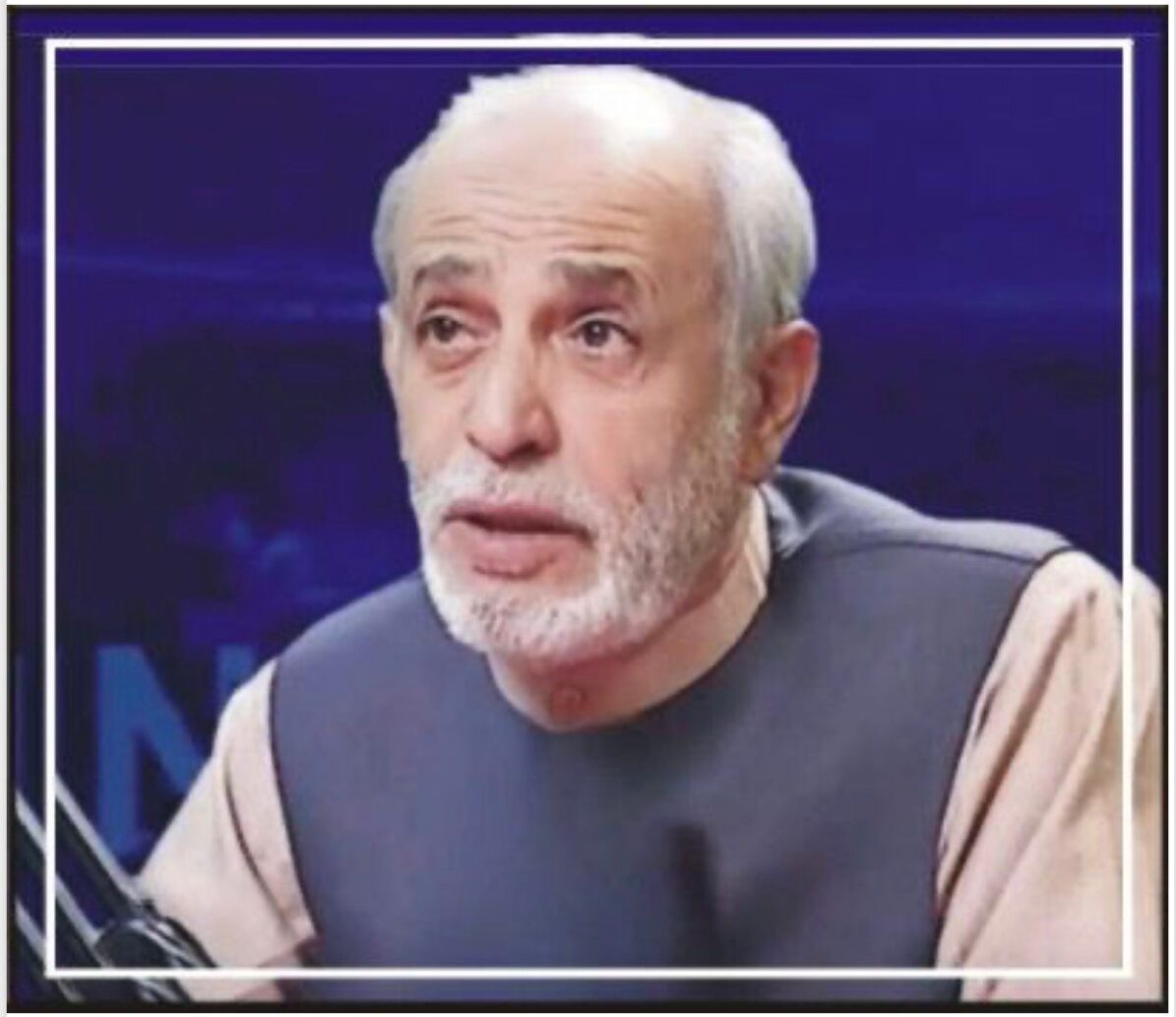
Shamim Shahid
In recent times, a new trend has been emerging rapidly within Pashtun society the formation of separate jirgas, platforms, and alliances in the name of tribal, communal, and regional identities. On the surface, this development is presented as a revival of cultural and identity-based representation; however, in practice, it appears to be heading in a direction that may further fragment society.
While supporters and initiators of these jirgas justify their actions as efforts to address genuine social and community issues, critics argue that such initiatives often deepen existing divisions rather than resolving them. The concern is that, instead of promoting unity or constructive political engagement, these structures may weaken organized, ideological, and result-oriented political movements.
It is also observed that individuals presenting themselves as researchers, professors, poets, or local elders and Khans are increasingly associated with such initiatives, allegedly under specific agendas. Although they claim to be working for the betterment of society, their activities are often seen as contributing to further social and political fragmentation.
Comparatively, Pakistan is a multi-ethnic country where Punjabis, Sindhis, Baloch, Kashmiris, and Saraikis also reside. However, the increasing trend of jirga formation based on tribal identity appears to be more prominent within Pashtun society. Similarly, the influence and expansion of religious and factional groupings have also been notably visible among Pashtuns.
At present, Pakistan has more than 260 registered political parties. A significant number of these political entities operate within Pashtun-dominated regions as well. In contrast, political parties from Punjab, Sindh, and Balochistan also actively participate in electoral politics across provinces. However, in Khyber Pakhtunkhwa, southern districts, and Pashtun-majority areas of urban Sindh, the number of political actors and aspirants is relatively higher, often resulting in intense political fragmentation.
Election results in recent years indicate that major political parties—particularly nationalist and progressive groups—have suffered setbacks, partly due to divisions created along tribal, communal, and regional lines. These divisions are further intensified by the emergence of small, often mysterious and allegedly externally supported groupings that operate intermittently in political and social spaces.
Historically, many such groups have failed to sustain themselves and eventually lost credibility and public trust. Nevertheless, in recent times, the promotion of jirga-based and identity-driven groupings appears to be gaining renewed momentum through different channels.
Ironically, some leaders and activists associated with these jirgas remain highly critical of mainstream Pashtun nationalist parties, despite operating within similar political spaces. As local government elections approach, slogans such as “our tribe, our candidate” are increasingly being used to mobilize voters along tribal and communal lines.
As a result, ideological politics, national interests, and collective thinking are often overshadowed by personal, tribal, and kinship-based loyalties. While these movements may offer short-term political advantages, they risk creating long-term divisions and social tensions.
In reality, the strength of the Pashtun society lies in unity rather than fragmentation. Tribal and communal politics may provide temporary gains, but they inevitably contribute to division and hostility, which can have lasting negative consequences.
Most of these activities tend to intensify during election periods and fade away once the electoral cycle is over
leaving behind the same unresolved social and political challenges.
Leave a Reply