

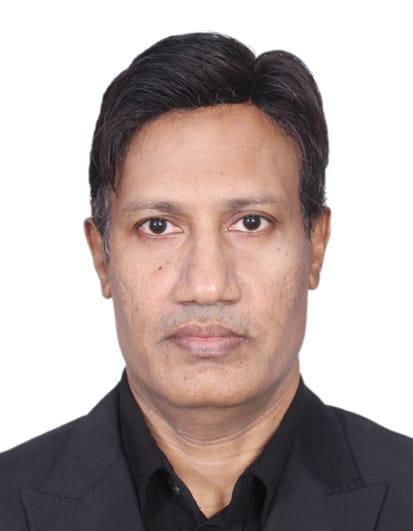
By Junaid Qaiser
Jordan’s King Abdullah II arrived in Pakistan to a reception that went beyond ceremonial warmth; it carried the unmistakable weight of a relationship entering a more deliberate and strategic phase. Prime Minister Shehbaz Sharif and President Asif Ali Zardari led the welcome at Nur Khan Airbase, joined by PPP Chairman Bilawal Bhutto-Zardari and First Lady Aseefa Bhutto-Zardari—an ensemble reflective of cross-institutional consensus on the importance of Amman’s friendship.
President Zardari described the visit as one that would give Pakistan–Jordan ties a “new strategic dimension,” rooted in a history of brotherhood, trust and shared values. The symbolism was amplified by a Pakistan Air Force JF-17 formation that escorted the royal aircraft into Islamabad—a gesture rarely extended and reserved only for close and respected partners.
State broadcasters echoed the sentiment, highlighting that the visit represented more than continuity. It signaled a deliberate effort to strengthen political, economic and cultural engagement—an evolution from the cordiality of decades past.
This is King Abdullah’s first visit since the tenure of former president Mamnoon Hussain, when the two sides signed MoUs on civil protection, defence and housing cooperation. Much has changed since then. The Middle East today is navigating one of the most consequential periods of geopolitical recalibration in decades. And in that shifting landscape, Pakistan and Jordan find their interests aligning with unusual clarity.
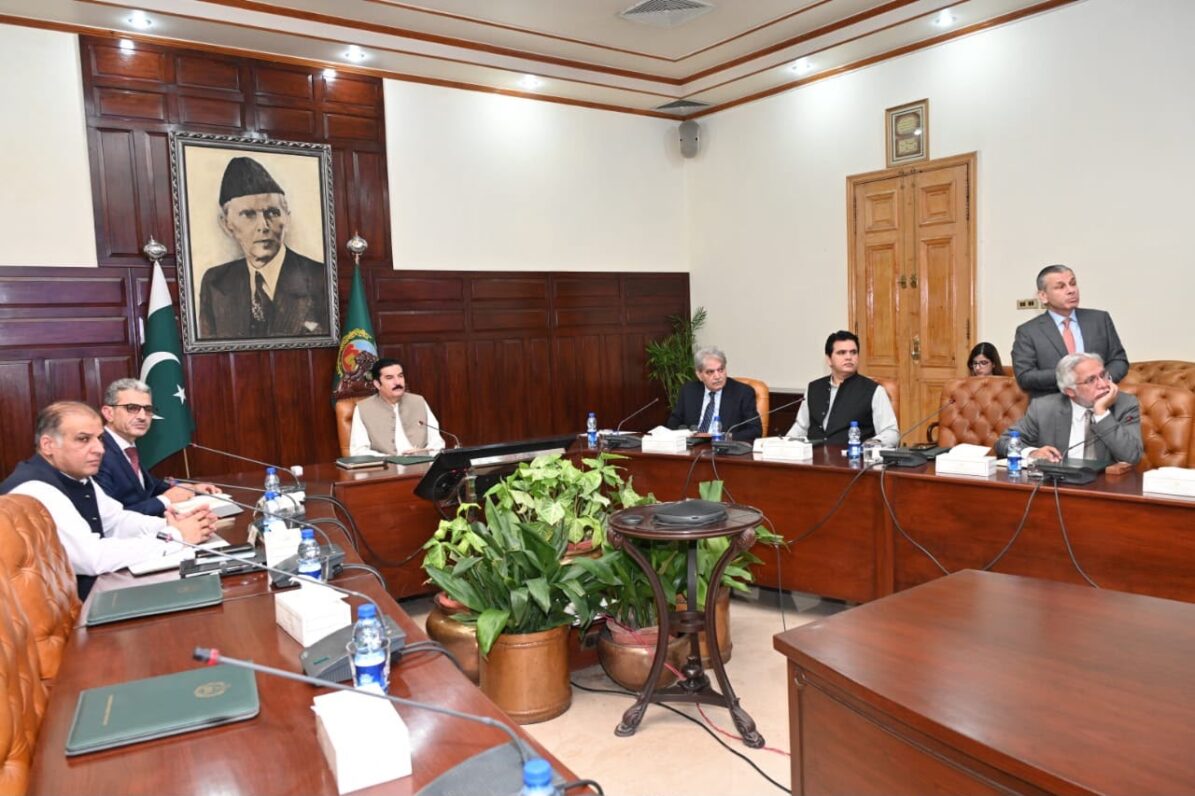
The king’s admiration for Pakistan’s military contributions to regional stability—reiterated only last month in his meeting with COAS Field Marshal Asim Munir—has strengthened the strategic logic of closer coordination. That context framed Saturday’s discussions at the Prime Minister’s House, where Shehbaz Sharif and King Abdullah affirmed a shared position on Gaza, particularly their zero-tolerance for any forced displacement of Palestinians. Both nations remain core members of the group of eight Muslim countries working with the United States on the Gaza ceasefire and the post-war peace plan signed in Sharm el-Sheikh.
The Prime Minister’s Office noted a deep convergence on the path ahead: enhanced coordination among the eight Arab-Islamic states, sustained support for the Palestinian cause, and a renewed commitment to regional humanitarian efforts. King Abdullah acknowledged Pakistan’s steady support for Jordan’s custodial and stabilizing role during the Gaza conflict, and for the territory’s recovery after the ceasefire.
Beyond Gaza, the conversation turned to a broader agenda—economic cooperation, trade, investment, technology, education, health and defence. The two leaders also exchanged views on wider regional developments, including Afghanistan and India. Reports from the meeting emphasized the king’s recognition of Pakistan’s role as a stabilizing presence in the region.
Memorandums of understanding in media, culture and education were signed before the prime minister hosted a banquet for the visiting monarch and his delegation. The presence of Pakistan’s civil and military leadership—including Field Marshal Asim Munir and Deputy Prime Minister Ishaq Dar, Foreign Minister —underscored the comprehensive nature of the engagement.
However, Pakistan’s evolving diplomacy extends beyond Amman. The past weeks have seen a noticeable uptick in Islamabad’s strategic visibility. In Riyadh, Chief of General Staff Lt Gen Syed Aamer Raza met Gen Fayyadh bin Hameed Al-Rowaily, reaffirming a commitment to deepen defence ties under the landmark Strategic Mutual Defence Agreement (SMDA). Signed by Prime Minister Shehbaz Sharif and Crown Prince Mohammed bin Salman, the SMDA treats an attack on one as aggression against both—placing Pakistan–Saudi cooperation on an unprecedented security footing.
Lt Gen Raza’s participation in the Pak–Saudi Defence Industrial Forum further signaled a significant shift: defence cooperation is no longer limited to operational coordination but is now moving toward industrial co-production, emerging technologies, and long-term strategic interoperability aligned with Vision 2030.
Saudi Arabia’s recognition of Pakistan’s sacrifices in the fight against terrorism reinforced the trust underpinning this new phase of collaboration.
These developments, taken together, portray a Pakistan increasingly comfortable asserting its diplomatic weight. From Riyadh and Amman to Washington—where President Donald Trump’s administration continues close engagement with Islamabad’s leadership—Pakistan is repositioning itself not as a bystander but as an active contributor to regional shaping.
This moment is significant because it reflects a Pakistan that is stepping into its role with clarity: not merely as a participant in regional affairs, but as a partner in peace, security and development.





Leave a Reply