

By Junaid Qaiser
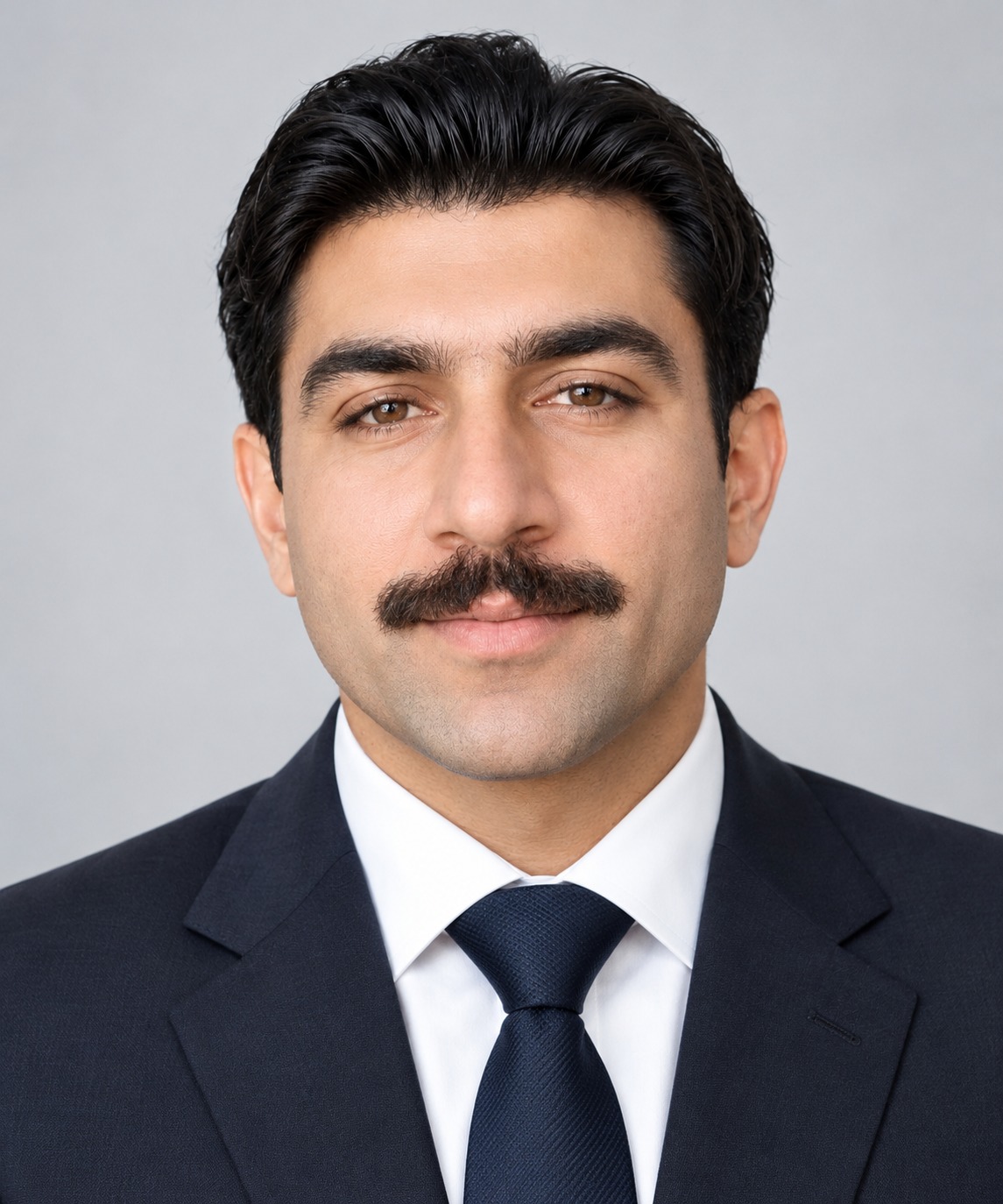
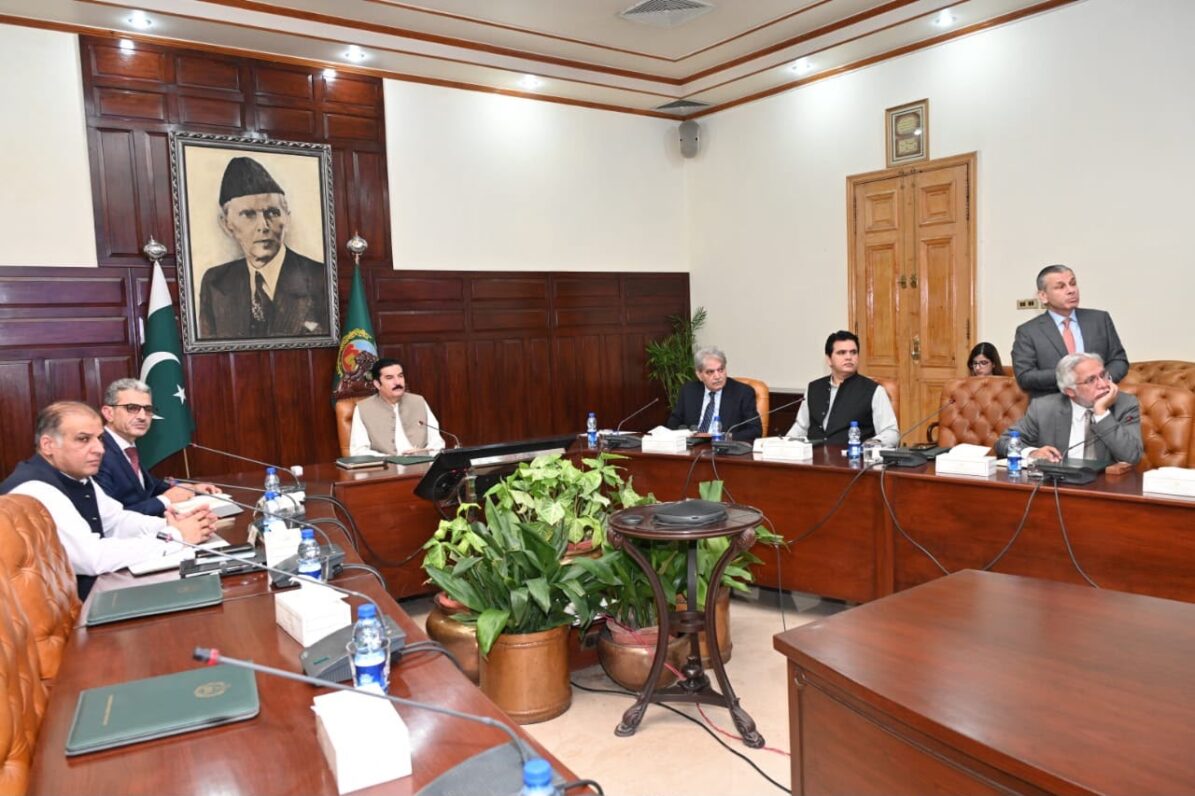
The political landscape of Azad Jammu and Kashmir changed markedly this week when Raja Faisal Mumtaz Rathore assumed the reins of authority and promptly expanded his cabinet-an assertive opening gambit that signalled not just the advent of a new prime minister but also the return of the Pakistan Peoples Party as a pivotal player in AJK politics. The oath-taking at Aiwan-i-Sadr — packed to the rafters with PPP workers, senior bureaucrats, and two former prime ministers — had less the feel of a routine administrative ceremony than a carefully choreographed showpiece of political resurgence.
Eighteen ministers were sworn in, along with two advisers drawn from the families of sitting lawmakers. The message within PPP’s ranks is clear: the party intends to manage the governance structure quickly and firmly. For a region accustomed to fractured coalitions and revolving-door governance, the scale of the induction was hard to miss.
But the real meaning of the moment is not about the cabinet numbers; it is about who leads it.
Raja Faisal Mumtaz Rathore is not just another addition to AJK’s long line of political heirs; he is the product of a family that helped stitch the PPP’s early fabric in the region. His mother, Begum Farhat Rathore, was a legislator at the time of his birth. His father, Mumtaz Rathore, served on almost every major constitutional position AJK politics has to offer — prime minister, speaker, opposition leader. Few political families carry such an extended public résumé.
But Faisal Rathore’s rise is not dynastic inertia alone. Over two decades, he has forged a reputation that sets him apart from the archetype of the entitled political scion. Soft-spoken, measured and noticeably non-combative, he has emerged as a negotiator rather than a hardliner — a quality which earned him the trust of the Awami Action Committee as much as the power circles in Islamabad and Rawalpindi. Years in opposition, in the cabinet, and his leading presence within PPP’s organization have managed to make him a known, even reassuring, sight within the political circles.
Now, as the youngest-ever prime minister of AJK, he comes into the role heavy with symbolism and expectation. A generational shift is underway, but to what extent it will evolve into genuine governance reform remains to be seen.
If the oath-taking ceremony showcased PPP’s organizational strength, Bilawal Bhutto-Zardari’s speech supplied its ideological backbone. His address — fiery in tone and thick with references to PPP history — was tailored to remind Kashmiris that the party sees their cause not as an electoral slogan but as political inheritance.
Invoking Pakistan’s “7–0” aerial victories in the May conflict and painting India’s leadership as diplomatically isolated, Bilawal delivered the kind of combative messaging that resonates in a region defined by unresolved conflict. His remarks were unmistakably aimed at reinforcing PPP’s long-standing stance on Kashmir.
But the most emotional moments in his speech were the stories about Benazir Bhutto: the late leader cooling her heels outside the Saudi King’s door at an OIC summit, “file in hand,” lobbying for the people of Kashmir. It was a reminder that for the PPP, Kashmir has never been a talking point alone; it has been knitted into the family’s political identity.
At the same time, Bilawal’s instructions to the new prime minister were practical: Meet the public, open the kachehris, and return governance to the people — the old Bhutto style of politics. It was part directive, part challenge.
For all the fanfare over PPP’s re-ascendancy in AJK, however, questions remain. A cabinet full of eighteen ministers and advisers linked by surnames runs the very real risk of tone-deafness in a polity already consumed by public grievances over development, electricity, and governance transparency. Political patronage can stabilize alliances; it does little for public disgruntlement.
Now begins Rathore’s real test. Can his reputation for calm negotiation be translated into effective governance? Can he show that political inheritance need not mean political stagnation? And can he balance PPP’s historical weight with the expectations of a younger, impatient Kashmiri electorate? The PPP may have regained some space in the political hierarchy of AJK, but holding onto it will take more than symbols and nostalgia. It would require delivery – something the region has been waiting for across successive governments. For now, however, the message is clear: the PPP is back in the Kashmiri political conversation, and Raja Faisal Mumtaz Rathore has been handed the responsibility — and the burden — of ensuring that, this time around, the party’s footprint leaves a mark deeper than just ceremony.





Leave a Reply