

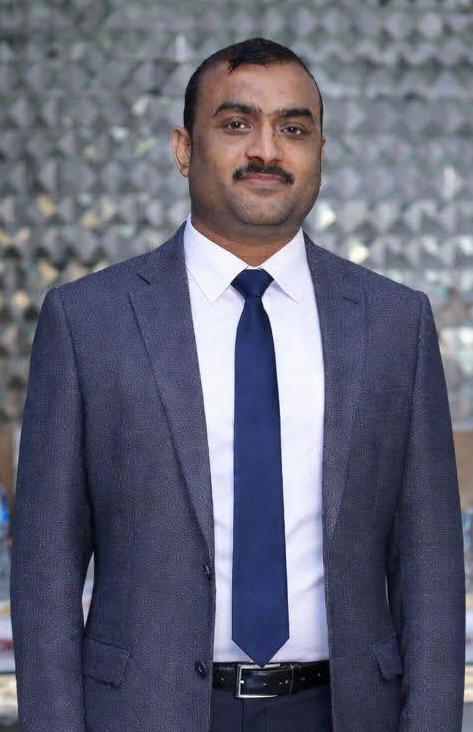
By Shafqat Ali
Have you ever wondered why, despite having a constitutional democratic political culture that inherently demands political conscientiousness, successive governments have kept people in the dark about political affairs? Have you ever realized why politics has been portrayed in a negative light in the public sphere by those in power? Why have Articles 8 to 28—the soul of the Constitution—never found space in the curriculum, even at the primary level? And why, lately, is democracy being painted as a failed project and a hybrid setup being glorified in the corridors of power? Is all this accidental, or by design?
Though politics may be considered a means to loftier and more inclusive ends, it is not necessarily meant to serve the collective human good. Ideally, as is claimed by all who engage in it, politics is about serving the masses, securing their rights, and holding those in power accountable. However, whether politics is inherently good is largely subjective and depends on who defines it.
For politicians and those in the corridors of power, “playing politics” practically means advancing their own interests and holding onto power. For the ostensibly apolitical powerful, politics was a dirty game except when it consolidated, legitimized, and institutionalized their grasp on power. Through all their actions and practices, the powerful have instilled in the hearts and minds of ordinary people the belief that politics is a patent of the powerful, the aristocracy, feudal lords, and tribal warlords, and, since they all pursue it to cultivate vested and unsavory stakes, it isn’t worth it for the public.
This selective practice and definition of politics in our part of the world have earned it a bad name—so bad that many people now avoid it altogether. Though this misinterpreted and maligned face of politics—both in theory and practice—has been ever-present across Pakistan’s history, martial laws specifically kept people from discussing it, let alone playing politics.
“Debate on politics is prohibited here, please.” This inscription could be widely read in hotels, dhabas, and many a public place until recently. Even today, a few settings come with such lines. The words are not without purpose, as their ubiquity suggests. They largely reflected the lasting practice of putting curbs on political debates—ranging from talking about and claiming their rights and the legitimacy and responsibilities, mandates, and assigned bounds of the ruling circles in all their manifestations—mainly during martial rule, leaving such matters undebated and unquestioned altogether. The restrictions on political debate manifested the flagrant and forceful disregard for constitutional bounds and, with it, the questionable legitimacy of the architects of power and the plight of the public.
However, and paradoxically enough, as the open disregard of the Constitution decreased and transformed into systematic, legalized, and institutionalized disregard, the restraints on public political life and freedom of expression—questions of political legitimacy and people’s constitutional role and rights—have faced increasingly covert and uncontested assaults. Earlier, the constraints were open, though not that stringent. Today, it is the other way around. The powerful have claimed politics as their exclusive patent while remaining functionally apolitical, having largely caged the fate of the people by courting and caging the scope, definition, and dynamics of politics.
That is, unlike the martial laws and constitutional abrogation that had illegally undone people’s rights and role, the suppression today—and that too under democratic pretense—exceeds its predecessors in scope and severity in what are being described as hybrid political settings. The constraints are severe not only because they are being legalized via constitutional amendments and legal contortions but also because they are not being challenged by the intelligentsia as forcefully as they ought to be.
This largely suggests a growing sense of compliance among the intelligentsia and increasingly courtier-like tendencies that make it a beneficiary of all the mayhem in which the country and its people are today.
Pakistan’s constitutional promise remains unfulfilled by design. Articles 8–28, the soul of the document, are deliberately kept out of curricula and public consciousness so that citizens never learn to claim their rights or scrutinize power.
The engineered apathy of the public and the cultivated silence of the intelligentsia are two sides of the same coin, minted by those for whom an informed, assertive citizenry represents the one threat that neither martial force nor legal contortion can permanently neutralize. Reclaiming democracy, then, begins not in parliament but in the classroom, not with leaders but with citizens who have been returned—through constitutional literacy and normalized political participation—to the sovereign role the Constitution always intended them to hold.
Until that happens, democracy in Pakistan will remain what it increasingly resembles today: a performance staged for an audience that has been carefully taught not to ask what is happening behind the curtain.
*The writer is a journalist and political commentator based in Islamabad.
Cell: 03015853506
Email: alishafqat676@gmail.com
Leave a Reply