


BY: Syed Fawad Ali Shah
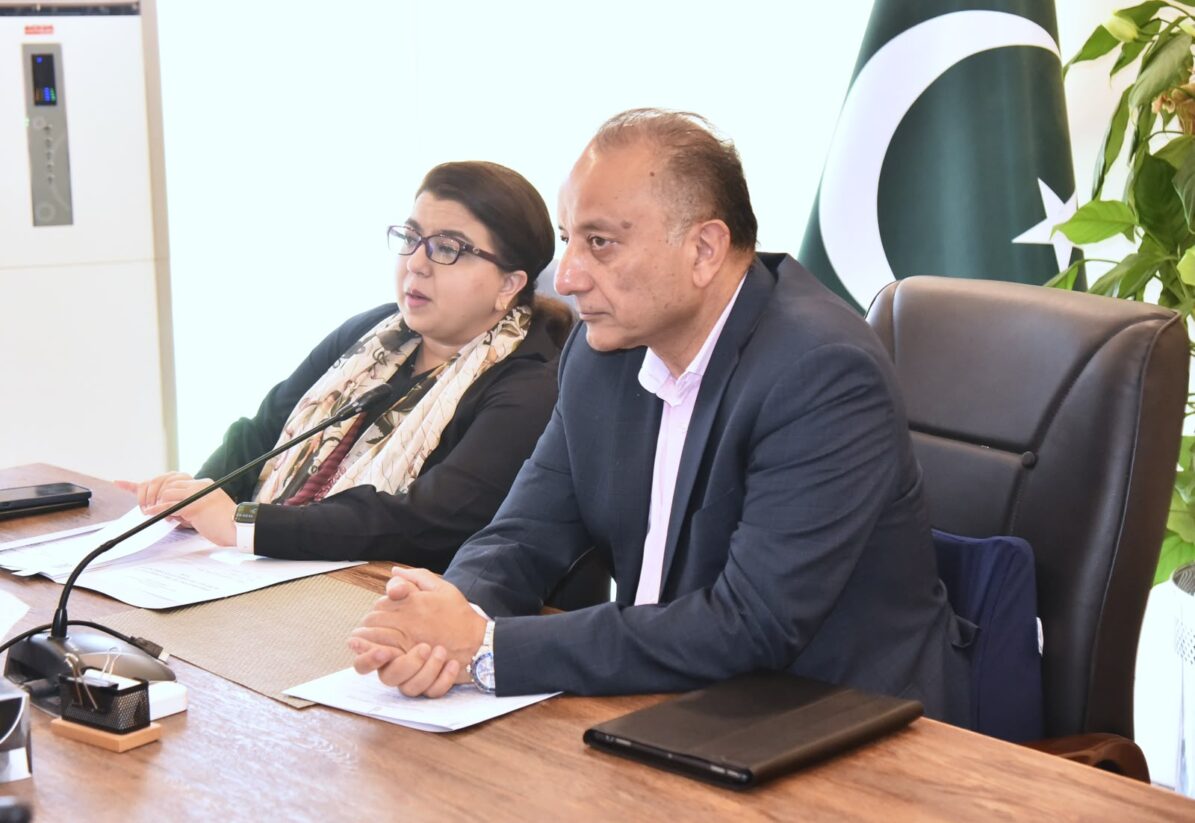
ISLAMABAD – In the corridors of power, where billions of rupees move through government projects and decisions shape the future of millions, a relatively less-known institution has emerged as a powerful monitoring force. The Prime Minister’s Inspection Commission (PMIC), operating under the direct authority of the Prime Minister, claims to have reopened forgotten files, exposed administrative failures, revived abandoned mega projects and recovered assets worth billions of rupees.. Established under Martial Law Order-58 and protected under Article 270-A of the Constitution of Pakistan, 1973, PMIC functions as an apex fact-finding and preventive body. At the forefront of PMIC’s operations is its Chairman, Brigadier (Retd.) Muzaffar Ali Ranjha, a seasoned military and administrative professional known for his disciplined approach, strategic vision and commitment to institutional accountability. With extensive experience in security, administration and national affairs, Brig. Ranjha has played a key role in steering PMIC’s efforts towards improving governance, monitoring public sector projects and ensuring that long-delayed initiatives receive renewed attention. Under his leadership, PMIC has focused on transforming inspections and inquiries into practical reforms, aiming to enhance efficiency, reduce negligence and protect national resources through timely interventions. Unlike investigative agencies such as NAB or FIA, the commission does not launch cases independently. It only investigates matters referred by the Prime Minister.. From July 2022 to June 18, 2026, PMIC claims to have completed a series of high-impact operations that changed the fate of several stalled national projects. According to official figures, the commission revived seven major Public Sector Development Programme (PSDP) projects that had remained stuck for years. Three of these projects were inaugurated by the Prime Minister, while one was inaugurated by the Chief Minister of Balochistan.. Behind closed doors, PMIC conducted 28 major inquiries and submitted its findings directly to the Prime Minister’s Office. Its recommendations regarding 14 federal departments and development projects were implemented, while several other cases remain under supervision… One of PMIC’s highlighted achievements was its role in the Karachi Port Trust (KPT) anti-encroachment operation. The commission claims that 210 acres of illegally occupied land, worth approximately Rs.155 billion, were recovered.. Another major breakthrough was the completion of the Overseas Pakistanis Foundation (OPF) Housing Scheme, Zone-V Islamabad, which had remained incomplete for nearly 27 years.. In Azad Kashmir, the long-delayed Rathua Haryam Bridge project, which remained pending for around 18 years, was finally completed and was expected to become operational in August 2026. Officials describe PMIC as a mechanism designed to improve governance without lengthy legal battles. The commission claims that its interventions have helped prevent losses to the national treasury, improved public sector performance and discouraged negligence and corruption in development projects.
With an approved strength of 56 officers, including a Chairman and six Members, PMIC consists of senior civil servants and experienced professionals appointed by the Prime Minister. The commission’s current budget stands at Rs.153.039 million for the fiscal year 2025-26, while Rs.195.547 million has been proposed for the next fiscal year. As parliamentary debates begin over budget allocations, supporters of PMIC argue that removing or weakening the institution could slow down efforts to monitor government performance and protect public resources. For its defenders, PMIC is not just another government office. It is presented as a silent watchdog operating behind the scenes, fighting delays, recovering lost national assets and pushing stalled projects back onto the track.







Leave a Reply