

Shakeel ur Rehman
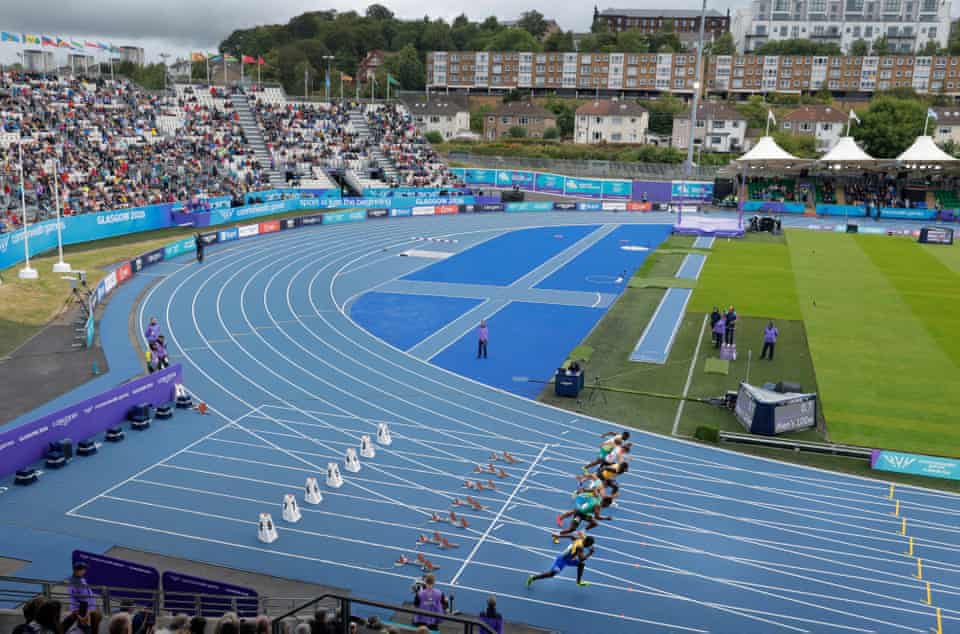
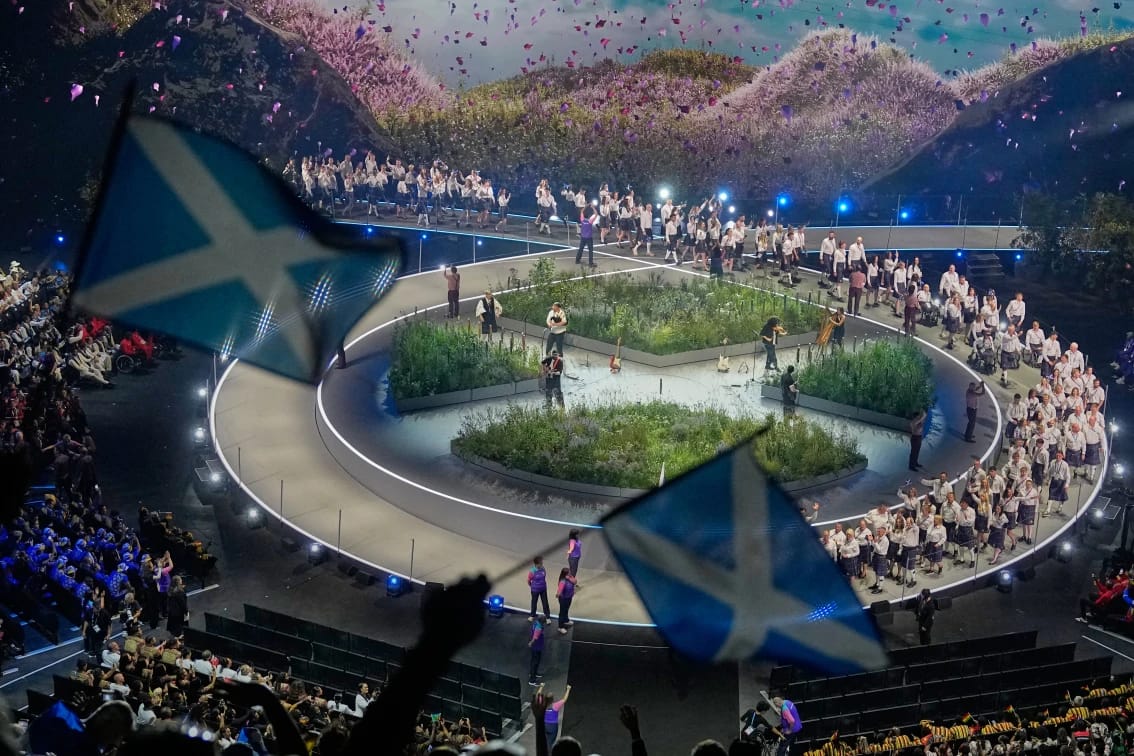
The Glasgow 2026 Commonwealth Games moved into a new phase on Monday as Day Four delivered another action-packed programme, with athletics and para athletics making their eagerly awaited debut alongside swimming, artistic gymnastics, weightlifting, boxing, bowls, netball and 3×3 basketball.
The fourth day featured 27 gold-medal events across eight sports, with the opening athletics programme at Scotstoun Stadium providing some of the biggest moments of the day. Australia once again dominated the swimming pool, while Nigeria continued to emerge as one of the strongest challengers in the medal race.
With more than 3,000 athletes representing 74 nations and territories competing across 10 sports, Glasgow 2026 is staging 215 gold-medal events during the 11-day Games.
Australia continued their remarkable medal-winning run and remained firmly at the top of the medal table.
The Australians were particularly dominant in swimming, winning seven of the eight conventional swimming gold medals available on Day Four, underlining their extraordinary strength in the pool.


The official medal table currently places Australia first with 26 gold, 13 silver and 20 bronze medals — 59 medals in total. England are second with 8 gold, 14 silver and 11 bronze, followed by Canada with 7 gold, 8 silver and 6 bronze. Scotland occupy fourth place with six gold medals, while Nigeria are fifth with six golds.
Boxing: Pakistan Suffer Another Setback
Pakistan’s boxing campaign suffered another setback in Glasgow.
Pakistan’s Sumama Rehman was defeated by India’s Jadumani Singh Mandengbam in the men’s 55kg Round of 16.
Jadumani produced a commanding performance to secure a 5-0 unanimous decision, with all five judges awarding the contest to the Indian boxer. Three judges scored it 30-27, while the other two returned 29-28 scorecards.
The victory sent Jadumani into the quarter-finals and ended Sumama Rehman’s campaign.
The first day of athletics produced an emotional and historic triumph for Australia when Rose Davies won the women’s 10,000 metres gold medal.
Pakistan’s Afzal Khan, who had recorded the country’s first boxing victory of the Games, was also eliminated after suffering a comprehensive defeat to Canada’s Gabriel Labrie in the men’s 65kg Round of 16.
Pakistan’s swimmers also struggled to progress, with Jehanara Nabi and Hamza Asif failing to advance from their respective heats.
Wales Enjoy a Strong Day in Boxing
Wales emerged as one of the most successful boxing teams on Day Four, recording three victories.
Davies clocked 31 minutes 39.32 seconds, producing a determined finish to overhaul Kenya’s Diana Wanza.
Wanza took silver, while Rwanda’s Florence Niyonokuru secured bronze.
Davies’ triumph was particularly significant for Australia as it was the country’s first Commonwealth Games gold medal in the women’s 10,000m. She also took advantage of the absence of defending champion and home favourite Eilish McColgan of Scotland, who missed the event through injury.
The Tollcross International Swimming Centre once again witnessed an Australian masterclass.
Australia’s swimmers continued their extraordinary run of success, claiming seven of the eight available conventional swimming gold medals.
The women’s 100m freestyle produced an all-Australian battle, with Meg Harris taking gold in 52.90 seconds, while Mollie O’Callaghan won silver and Shayna Jack bronze.
Australia also produced strong performances across the other swimming finals, continuing a campaign that has established the nation as the dominant force in the pool.
The men’s 200m butterfly provided one of the few breaks in Australia’s golden run, as New Zealand’s Lewis Clareburt secured gold in 1:55.05.
Clareburt’s victory was especially important for New Zealand, giving the country its first gold medal of the Glasgow Games.
Para-Swimming: Emotional Victory for Brock Whiston
One of the most touching stories of the day came in para-swimming.
Britain’s Brock Whiston won the women’s 100m breaststroke SB8, producing a memorable performance in front of her father.
Whiston revealed that her father had watched her compete at a major championship in person for the first time in 17 years, making the gold medal particularly meaningful.

Her emotional victory became one of the most memorable moments of the fourth day.
16-Year-Old Fontaine Completes Her Medal Collection
Canada’s teenage sensation Lia-Monica Fontaine enjoyed another extraordinary day, winning the women’s vault gold medal.
The 16-year-old had already won silver in the team final and bronze in the individual all-around competition. Her vault victory completed an impressive collection of medals at the Games.
The women’s vault also produced a fascinating family story, with Welsh identical twins Abigail and Emily Roger both competing for a place on the podium.
Abigail won bronze, narrowly finishing ahead of Emily, who was fourth — but Emily later secured her own bronze medal in the uneven bars.
In the men’s floor exercise, England’s Luke Whitehouse won gold with 14.566 points. Canada’s René Cournoyer took silver, while Australia’s James Hardy claimed bronze.
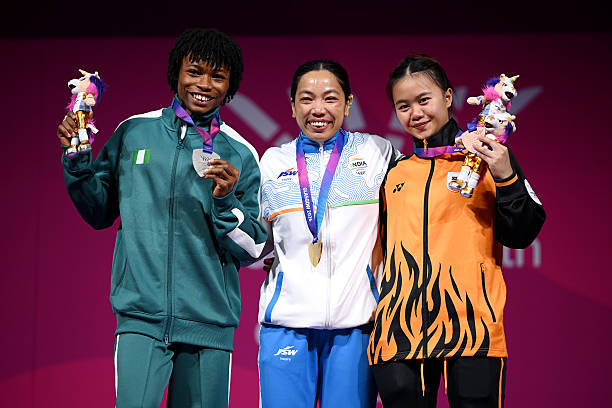
Nigeria strengthened its position as one of the leading medal-winning nations with another impressive performance in weightlifting.
The Nigerian lifters have been among the major stars of Glasgow 2026, building on the country’s strong start to the Games.
Nigeria’s success has helped the West African nation climb high on the medal table, with the country currently sitting fifth overall with six gold, four silver and 10 medals in total.
Owain Harris-Allan, Orlando Holley-Sotomi and Daniel Pitt all advanced after successful performances.
The day’s boxing programme featured 28 Round-of-16 bouts across the men’s lightweight, light-middleweight and light-heavyweight divisions, as well as the women’s flyweight category.
3×3 Basketball Provides Fast-Paced Entertainment.
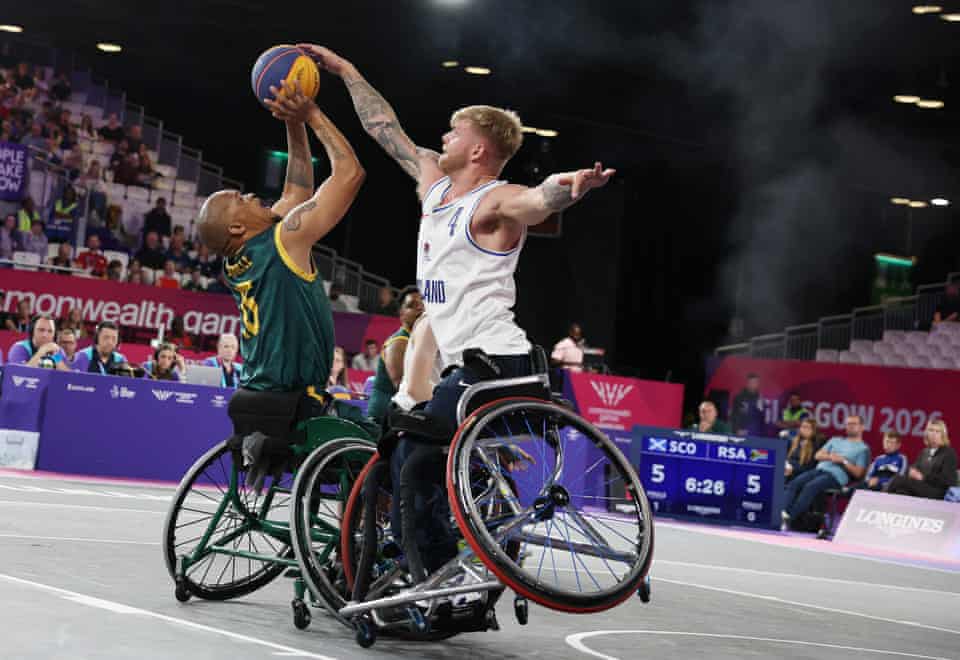
The 3×3 basketball competition continued to provide some of the fastest and most entertaining action of the Games.
New Zealand defeated Scotland 21-12 in the women’s competition, while England beat Papua New Guinea 21-4.
In the men’s tournament, England edged Malaysia 21-19, while Kenya defeated Jamaica 22-12.
The wheelchair basketball competition also produced dramatic action, with Australia defeating Canada in one of the day’s contests.


Bowls and Netball Add to the Action
Lawn bowls continued with singles and pairs competition, while netball also remained an important part of the Games programme.
England maintained their strong showing in netball, defeating Malawi 73-38 in a convincing performance.
The combination of traditional Commonwealth sports and the newer 3×3 formats once again demonstrated the variety of the Glasgow programme.
Medal Table: Australia in Front
At the latest official medal-table update, Australia were comfortably leading the competition with 59 medals, including 26 golds.
England were second with 33 medals, including eight golds, while Canada were third with 21 medals and seven golds.
Scotland were fourth with six golds, followed by Nigeria, also with six gold medals.
India were eighth with two gold, five silver and three bronze medals. New Zealand were 10th with one gold, four silver and three bronze medals, while Kenya were 11th with one gold, two silver and two bronze.
Medal Table — Leading Nations
Position
Nation
Gold
Silver
Bronze
Total
1
Australia
26
13
20
59
2
England
8
14
11
33
3
Canada
7
8
6
21
4
Scotland
6
4
2
12
5
Nigeria
6
4
0
10
6
South Africa
3
3
5
11
7
Malaysia
3
0
2
5
8
India
2
5
3
10
9
Jamaica
2
0
0
2
10
New Zealand
1
4
3
8
Medal standings from the official Glasgow 2026 medal table; totals and rankings can change as competition continues.
Glasgow Games Enter a Crucial Phase
Day Four demonstrated that the Glasgow Games are entering a decisive stage.
Athletics has now joined swimming as one of the central medal-producing sports, while boxing, gymnastics, weightlifting, bowls, netball and 3×3 basketball continue to generate intense competition.
For Australia, the priority will be to maintain their extraordinary lead. England and Canada remain within striking distance, while Scotland and Nigeria are continuing to make a major impact.
For Pakistan, the coming days will be crucial as the country’s remaining athletes seek to turn promising performances into medals.
With competition continuing through August 2, the Glasgow 2026 Commonwealth Games are increasingly becoming a battle between established sporting powers and emerging nations determined to create their own history.
The fourth day produced historic victories, emotional medal moments, teenage breakthroughs and further evidence that the race for Commonwealth supremacy is far from over.

Leave a Reply