

BY: Syed Fawad Ali Shah
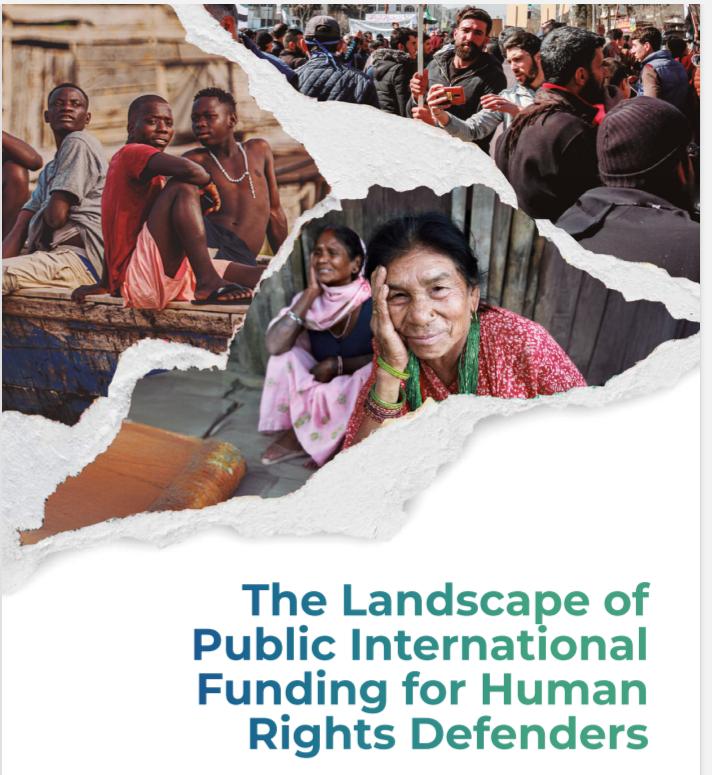
ISLAMABAD – Human Rights Defenders (HRDs) are often described as the unsung heroes of our time, fighting bravely and unflinchingly to ensure that the core values of human dignity, equality, and freedom are preserved. They are the frontline warriors in a battle that most of us do not even see, yet their sacrifices shape the future of human rights worldwide. Whether it is protecting the right to free speech, defending marginalized communities, or advocating for environmental sustainability, HRDs stand as the first line of defense against injustice. Despite their invaluable work, HRDs face constant risks to their lives and well-being. These defenders often operate in hostile environments, where speaking out against systemic abuse can lead to imprisonment, physical harm, and even death. And yet, their resolve is unshaken. They continue to fight for justice, not because it is easy, but because it is essential. They know that their efforts today can change the world for generations to come, even though their work often goes unnoticed by the very societies they are trying to protect. HRDs have become prime targets for repressive regimes, extremist groups, and corporations that seek to maintain control through violence, intimidation, and censorship. Over the past decade, HRDs have faced a growing wave of threats, from arbitrary arrests and torture to smear campaigns and forced disappearances. In countries with restrictive political environments, human rights defenders are systematically harassed and silenced, often for merely doing their job: advocating for the most vulnerable. Despite these dangers, HRDs are more committed than ever. But this commitment comes at a cost. They are not only fighting powerful adversaries but also struggling to maintain their basic security and operational capacity. The growing political climate of repression and violence has only made their jobs more perilous. As the risks escalate, so does the urgency of providing them with the support they need to continue their work. One of the most pressing issues facing HRDs today is the inadequate and inconsistent funding they receive to carry out their work. While public donors contributed USD 612 million to HRDs between 2021 and 2023, this figure, though significant in absolute terms, remains a fraction of the overall Official Development Assistance (ODA) allocated by donor countries. In fact, HRDs’ share of global ODA has decreased steadily, now making up only about 0.10% of the total aid. This limited funding means that HRDs often struggle to cover even the most basic costs, including security measures, legal support, and operational resources. They also face challenges in accessing direct funding, as international NGOs receive the lion’s share of the funds, leaving local defenders with a fraction of the necessary resources. This imbalance in funding channels not only weakens local HRDs but also undermines their ability to address the unique needs of their own communities. HRDs do more than just fight for the protection of individual rights—they drive global progress. Their work is directly linked to sustainable development, peacebuilding, and social justice. Without HRDs, the advancement of the United Nations’ Sustainable Development Goals (SDGs) would be nearly impossible. HRDs are essential to addressing critical issues like gender equality, environmental sustainability, access to education, and poverty alleviation. They challenge entrenched power structures, hold governments accountable, and advocate for policies that promote a more equitable and just world. Yet, despite their integral role, HRDs often face hostility, not only from those they challenge but also from the systems that should support them. As global political tensions rise and authoritarianism gains ground, the space for human rights work continues to shrink. In regions like the Middle East and North Africa (MENA) and Asia, HRDs have seen a decline in support, even as the need for their work has grown. This reduction in funding has a direct impact on the effectiveness of their work, limiting their ability to respond to crises, offer legal assistance, or protect themselves from harm. Among the most vulnerable HRDs are women and LGBTIQ+ defenders. These individuals face gender-based violence and discrimination in addition to the physical and political risks that all HRDs encounter. Women Human Rights Defenders (WHRDs) are particularly targeted for their activism, with many facing sexual violence, threats to their families, and cultural stigma. The intersectionality of their identities makes them disproportionately affected by both gender-based oppression and the broader threats posed to HRDs. In recent years, however, there has been an increasing recognition of the unique struggles faced by women and LGBTIQ+ defenders. Donors and governments must continue to prioritize funding for these groups, not only to ensure their safety but also to amplify their voices in the fight for gender equality and LGBTQI+ rights. Their work is fundamental in challenging patriarchal norms, advancing women’s rights, and creating safer environments for marginalized groups. The support for HRDs must not only increase in financial terms but also be more strategic. Governments and international donors must prioritize direct funding for local HRDs, ensuring that grassroots movements receive the resources they need to carry out their work on the ground. It is critical that funding channels be more transparent and accessible to those who are most affected by human rights violations. At the same time, HRDs themselves must be more involved in the decision-making processes that shape their support. They should not only be the recipients of aid but also active participants in designing the programs and strategies that will help them overcome the challenges they face. By including HRDs in the process, donors and governments can ensure that the support they provide is relevant, effective, and context-specific. As we move forward, we must ensure that HRDs are not left to face the growing dangers alone. The world is at a crossroads, with rising authoritarianism, global conflicts, and climate change presenting unprecedented challenges. In this context, the work of HRDs is more crucial than ever. Their ability to hold governments accountable, advocate for justice, and protect human rights is essential to the stability and progress of global society. We call on governments, international organizations, and citizens alike to stand with HRDs. This is a moment for solidarity, for recognizing the immense sacrifices made by these defenders of freedom and justice. Their work is not only critical for the communities they serve but for the future of humanity itself. Let us pledge our support, our resources, and our voices to ensure that human rights defenders continue their vital work. They are the heroes who stand for justice, and it is our duty to protect them.

Leave a Reply