

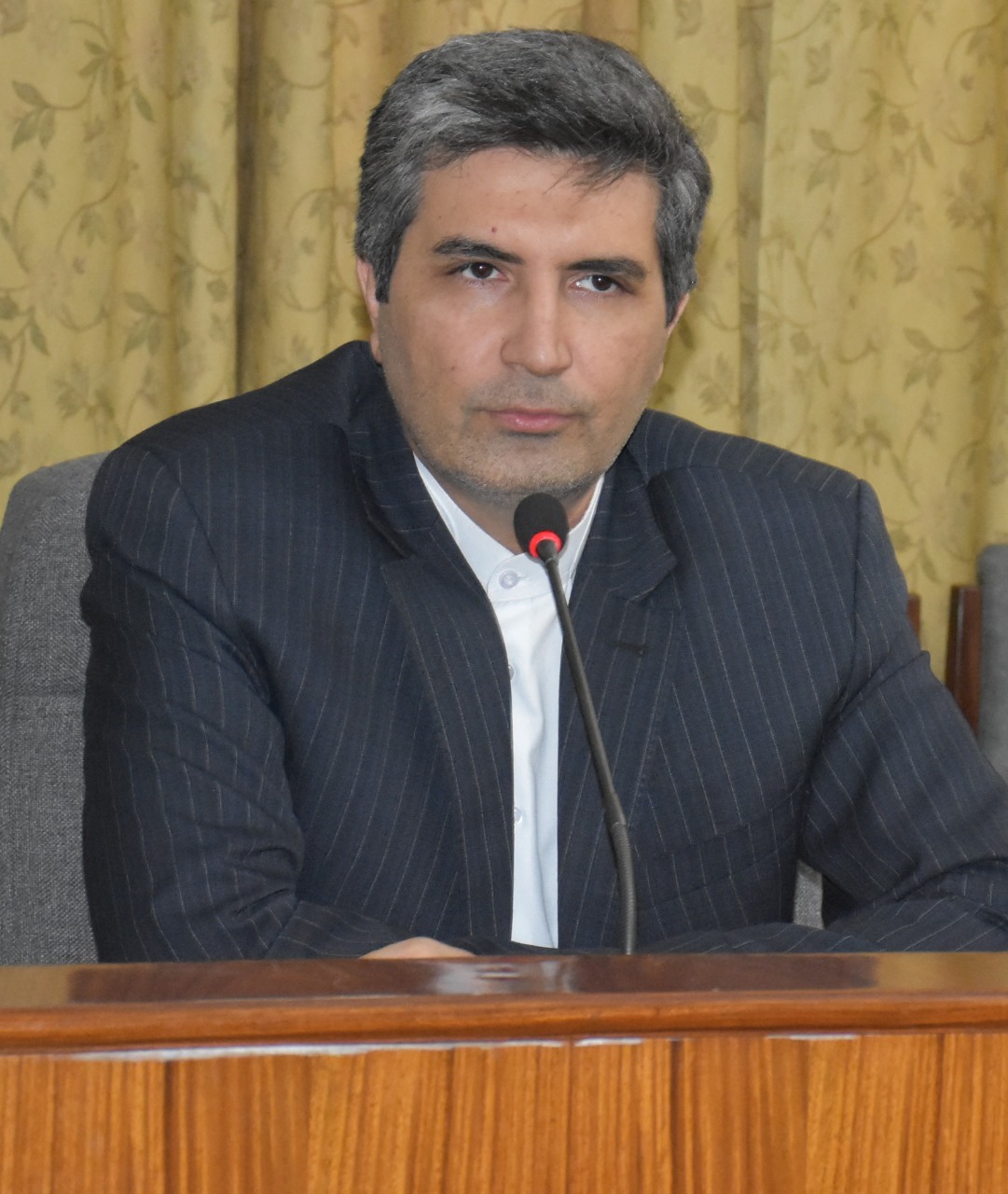
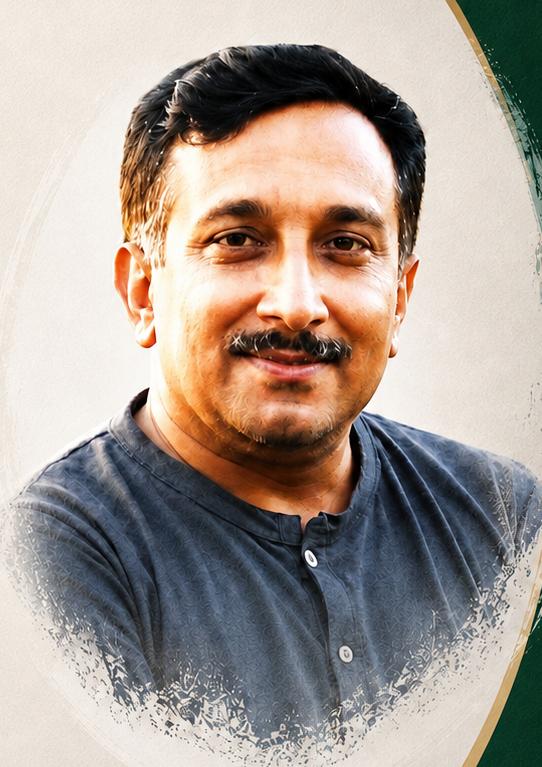
Dr. Mehdi Taheri
Iranian Cultural Attaché in Rawalpindi

Muhammad Iqbal Lahori, who was born on November 9, 1877, in the city of Sialkot in present-day Pakistani Punjab and passed away on April 21, 1938, was not merely a Muslim philosopher, poet, and politician. He can rightfully be called the “Most Iranian of Non-Iranians” — a figure who, despite never having the opportunity to travel to Iran, had a heart and mind overflowing with love for this land, and whose name is forever intertwined with Iranian culture and civilization. Today, on the anniversary of the passing of this great thinker, it is our duty, as an Iranian cultural manager in Pakistan, to speak of his unparalleled role in bonding the two brotherly nations of Iran and Pakistan.
Iqbal Lahori was born into a devout family of Kashmiri Brahmin descent who had converted to Islam. He completed his education in philosophy in Lahore before traveling to England for further studies at Cambridge and Munich. His doctoral dissertation, titled “The Development of Metaphysics in Persia,” is a clear testament to his deep affection for Iranian thought from the very beginning of his academic journey. Alongside his scholarly and political activities, Iqbal is renowned as a master poet in both Persian and Urdu, and it was his vision for an independent state for the Muslims of India that ultimately led to the founding of Pakistan.
The Exalted Status of Iran and the Persian Language in Iqbal’s Thought
Perhaps no one has expressed love and devotion to Iran and the Persian language as eloquently and passionately as Iqbal Lahori. He considered Persian the “sweetest language in the world” and proudly proclaimed: “Even though Hindi is sweet as sugar, the manner of Dari speech is sweeter still.” The vast majority of his poetic works—over 70 percent—are composed in Persian. This choice was no accident; he believed that “no language other than Persian could bear the weight of Iqbal’s thoughts.” Immortal works such as “Asrar-e-Khudi” (Secrets of the Self), “Rumuz-e-Bekhudi” (Mysteries of Selflessness), “Zabur-e-Ajam” (Persian Psalms), and “Javid Nama” are all written in Persian, demonstrating his profound influence by Iranian mysticism and philosophy, particularly from giants like Mawlana Jalal ad-Din Rumi. He has rightly been called the “Ferdowsi Beyond Borders,” for just as Ferdowsi safeguarded the Persian language in Iran, Iqbal played the same role for Iranian culture and the Persian language in the Subcontinent.
Iqbal Lahori in the light of the words of the martyred leader of Iran, Ayatollah Seyyed Ali Khamenei
The admiration Iranians hold for Iqbal Lahori is not limited to the general public and cultural elites; high-ranking Iranian officials have consistently acknowledged his lofty stature. The Supreme Leader of the Islamic Revolution, Ayatollah Khamenei, is among those who have paid special attention to Iqbal and analyzed his thoughts in numerous speeches. Speaking at the first International Congress in Commemoration of Allama Iqbal Lahori at the University of Tehran (1986), regarding the relevance of Iqbal’s message for the Islamic world, he stated:
“Today, many of Iqbal’s messages belong to us… Our nation has brought Iqbal’s message of ‘Khudi’ (Selfhood) to life and realized it in the realm of action… Islam, in its very essence and identity, possesses the richest resources for managing human beings and human societies.”

This perspective reflects the depth of intellectual kinship between Iran’s leadership and Iqbal’s awakening ideas. Furthermore, during his historic visit to Pakistan, Ayatollah Khamenei visited the mausoleum of Iqbal Lahori and paid his respects to the elevated status of this poet and thinker of the Muslim world.
Iqbal; An Eternal Cultural Bridge Between Two Nations
Iqbal Lahori is not merely a historical figure belonging to the past; rather, he is a living and robust bridge that connects the hearts of the two nations of Iran and Pakistan today. His personality and works constitute a “cultural linchpin” between the two countries. The Iranian Ambassador to Pakistan has described Iqbal as “a symbol of friendship between two friendly and neighboring countries,” emphasizing that “with his verses, Iqbal breathed new life into the ancient tree of Iran-Pakistan friendship.” As a point of deep cultural commonality, he provides an unparalleled asset for strengthening cultural diplomacy and expanding interactions among elites, artists, and thinkers of both nations. The Iranian President’s tribute to Iqbal during a visit to Lahore is a clear example of this shared belief.
Iqbal’s Significance for Iranians
For Iranians, Iqbal Lahori is a symbol of the revival of Islamic thought and the return to cultural self-identity. He fought against the intellectual and cultural domination of Western colonialism and called upon Muslims to embrace self-belief and rely on their authentic Islamic-Iranian identity. His passionate verse— “A man shall come who breaks the chains of slaves; I have seen it from the window of your prison walls” —has perpetually inspired freedom fighters and movements of awakening in Iran. Therefore, for the younger Iranian generation, understanding Iqbal is not a choice but a necessity to become aware of the deep roots of their cultural identity and its connections with the surrounding world. Iqbal Lahori is like the Rumi of our era, one who understood Iranian philosophy perfectly and linked it with the needs of the contemporary world.
Conclusion
Today, on the anniversary of Allama Iqbal Lahori’s passing, we not only honor the memory of a great poet and philosopher, but we also celebrate a bond that, transcending geographical borders, places the two nations of Iran and Pakistan within a single cultural family. Iqbal is a bridge built over the raging waters of history, and crossing it guides us to the shared wellsprings of love, mysticism, language, and civilization. It is incumbent upon us, as cultural managers and activists, to preserve this precious heritage and ensure this sturdy bridge remains eternal by introducing Iqbal’s thoughts to future generations.
Leave a Reply